To build fairer and more resilient societies, it is essential to strengthen citizen participation, institutional accountability, social cohesion, and communities' capacity to cope with crises.
Inclusive Governance and Humanitarian Action
CECI supports inclusive governance dynamics and targeted humanitarian actions that contribute to social stability, human security, and the active participation of women, youth, and marginalized groups in decision-making spaces.
CECI works with public institutions, community organizations, civil society networks, and local partners to foster environments in which every person can exercise their rights, participate in governance, and contribute to the collective resolution of social, economic, and environmental challenges.
Overview of the current situation
1/4
of the world's population now lives in a country in conflict or severely affected by institutional fragility (World Bank).
110 million
people are currently displaced worldwide due to conflicts, climate disasters, and protracted crises (UNHCR).
70%
of humanitarian crises occur in contexts where public institutions are weakened and citizen participation is limited (UN).
Our approach
Our approach is based on three complementary pillars:
1. Citizen participation in inclusive governanceAccess to decision-making spaces remains limited for several groups. We are working to:
- Strengthen citizen mobilization around local and national issues.
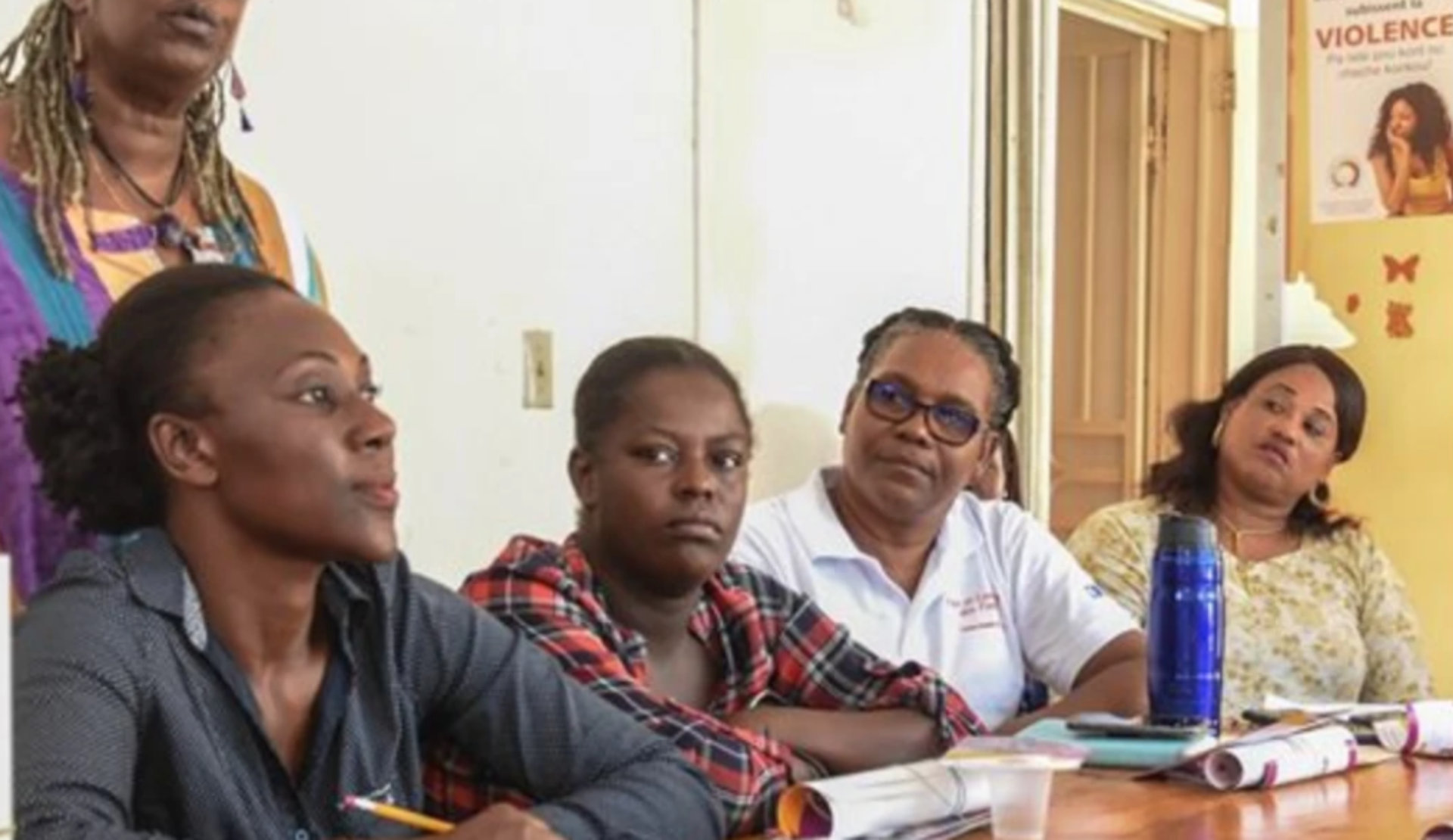
- Promote the participation of women, young people, and marginalized groups in decision-making spaces.
- Support democratic and digital innovations to increase the transparency and accountability of institutions.
- Encourage collaboration between citizens, civil society organizations, and local authorities.
2. Social cohesion and collective actionWhen trust between communities and institutions erodes, tensions rise. We work to consolidate collective dynamics that promote stability and equity:
- Support collective dynamics that promote dialogue, prevent conflict, and strengthen trust between communities and institutions.
- Consolidate mechanisms for the equitable management of natural resources, a key element for social and economic stability.
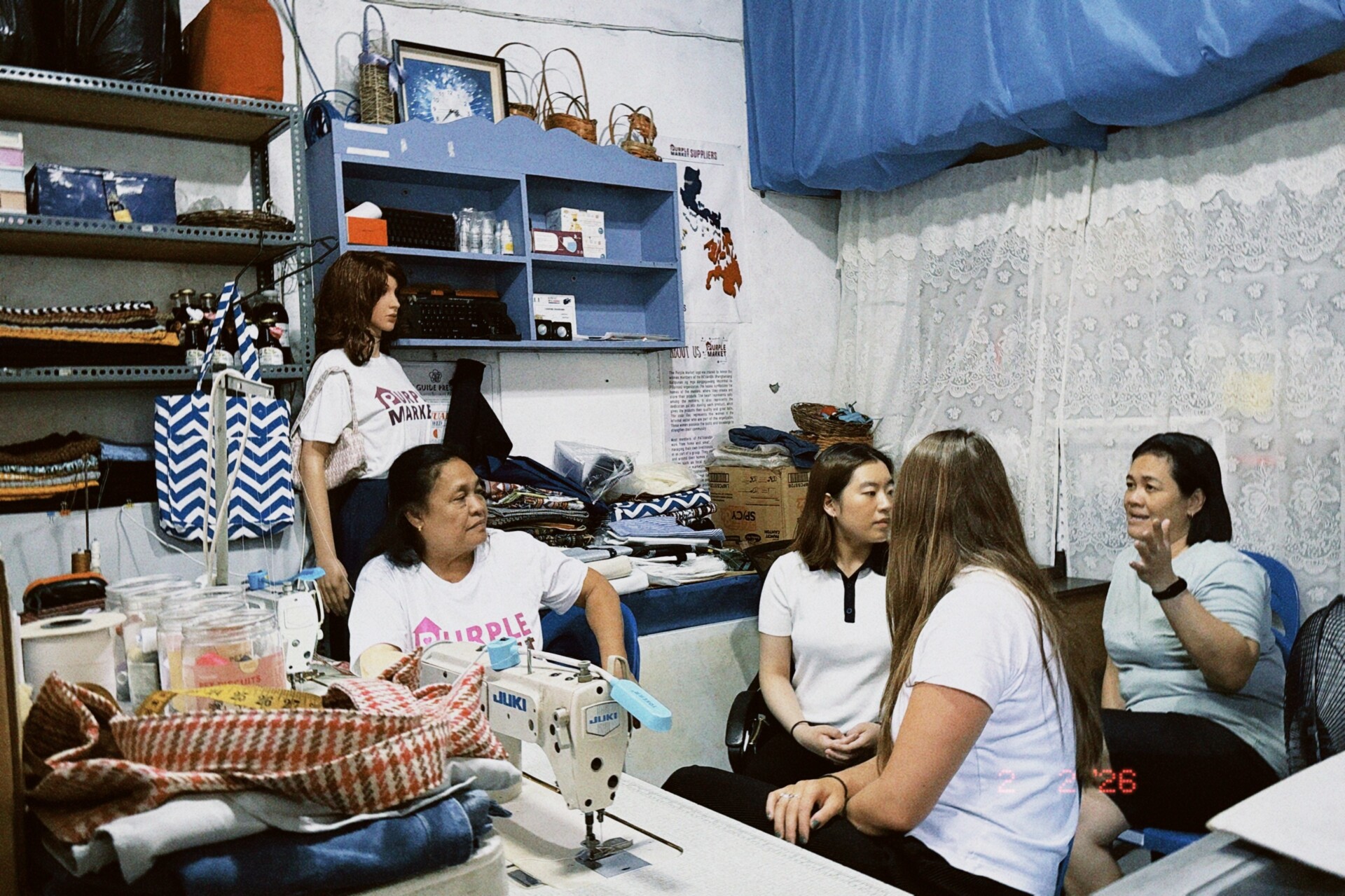
- Support the structuring and leadership of local community organizations.
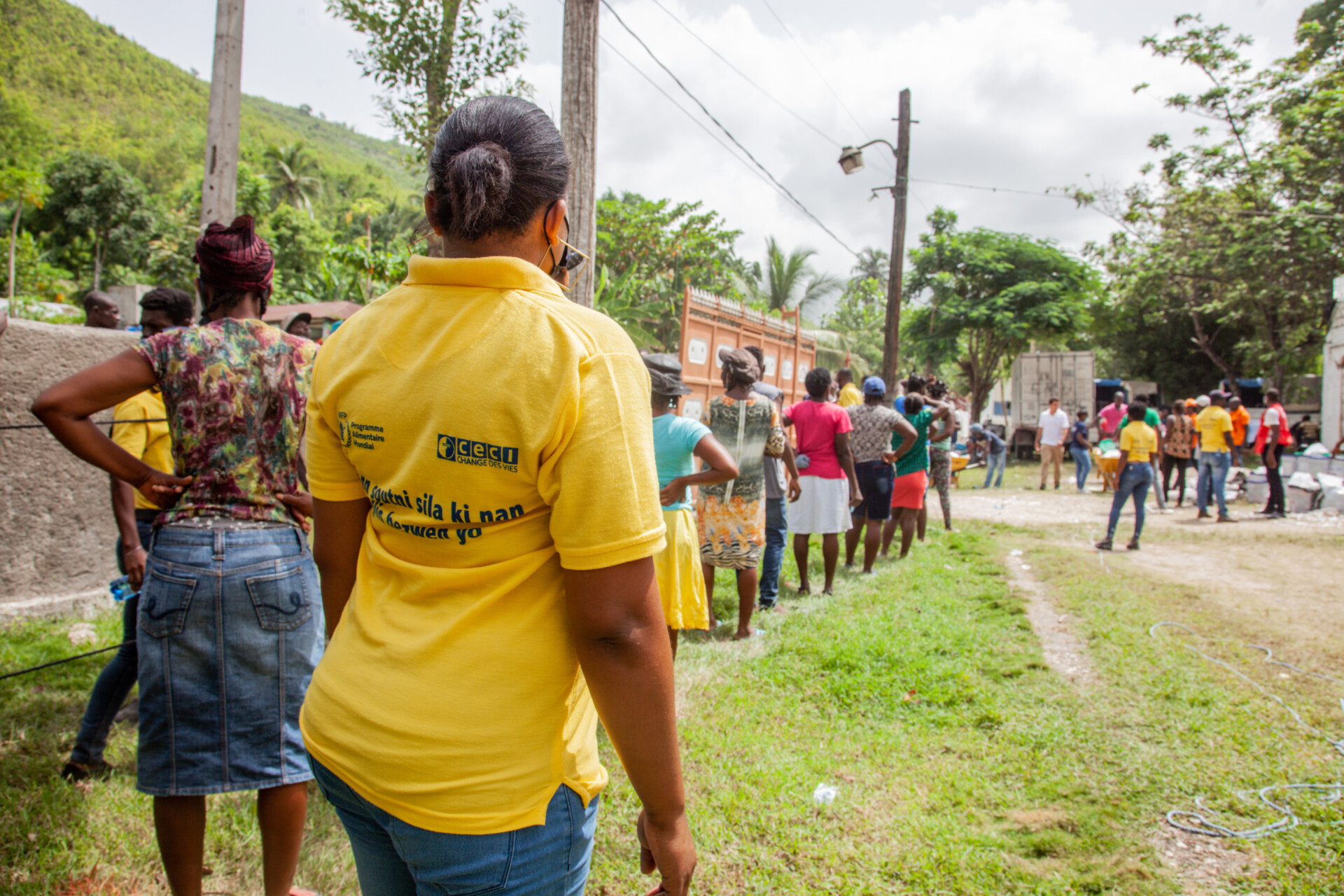
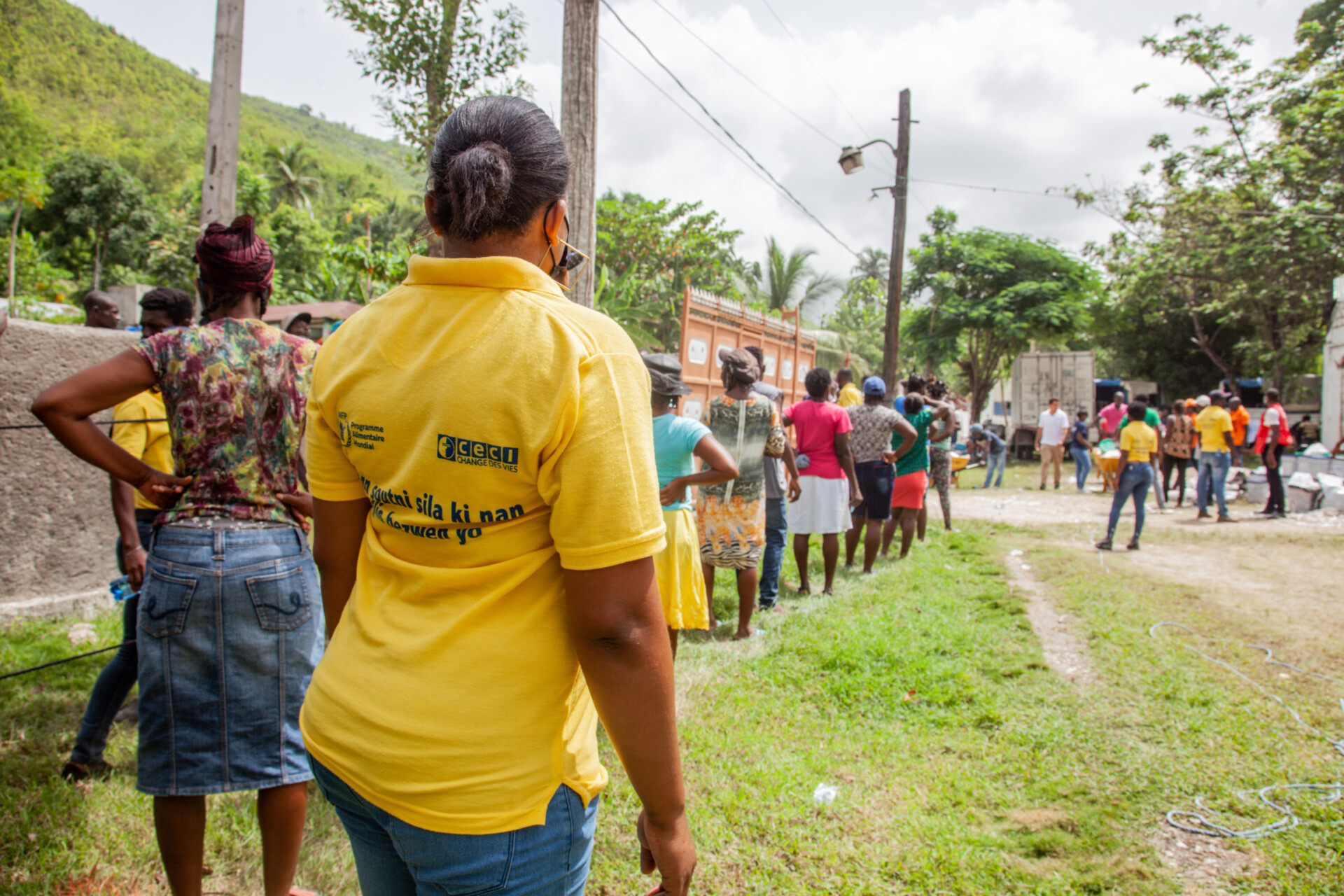
3. Humanitarian actionIn crisis situations, rapid, coordinated action rooted in local realities is essential. To contribute to this, we are taking action to:
- Respond to urgent needs in crisis situations by supporting the most vulnerable populations.
- Contribute to the stabilization of communities through targeted interventions adapted to the context.
- Integrate migration issues and support displaced persons, refugees, migrants, and their host communities.
- Anchor humanitarian action in a triple nexus approach to : humanitarian aid, peacebuilding, and sustainable development.
Expected changes
Through more inclusive governance, strengthened institutions, and targeted humanitarian action:
Women, young people, and marginalized groups will participate more in decision-making processes;
Trust between citizens, institutions, and community organizations will increase;
Local mechanisms for equitable resource management and conflict prevention are consolidated;
Communities affected by crises see their basic needs addressed quickly and with dignity, creating conditions conducive to the exercise of rights and the emergence of sustainable economic and social opportunities.
Haïti
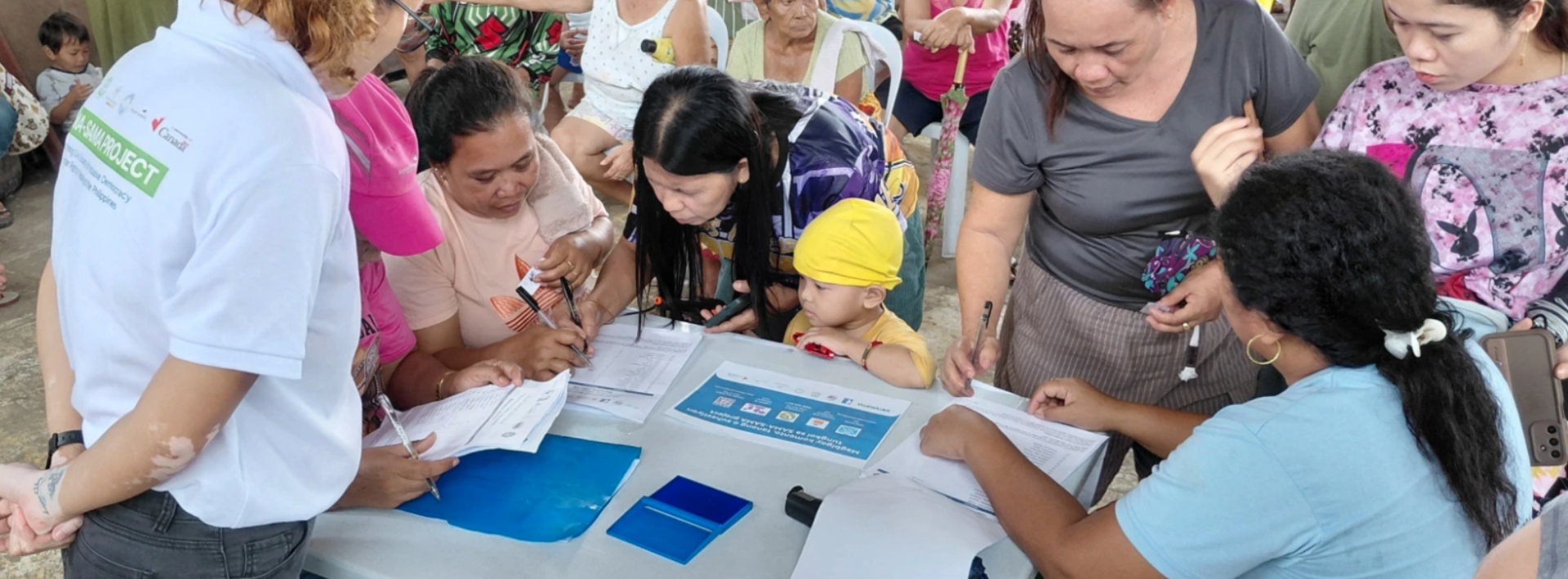
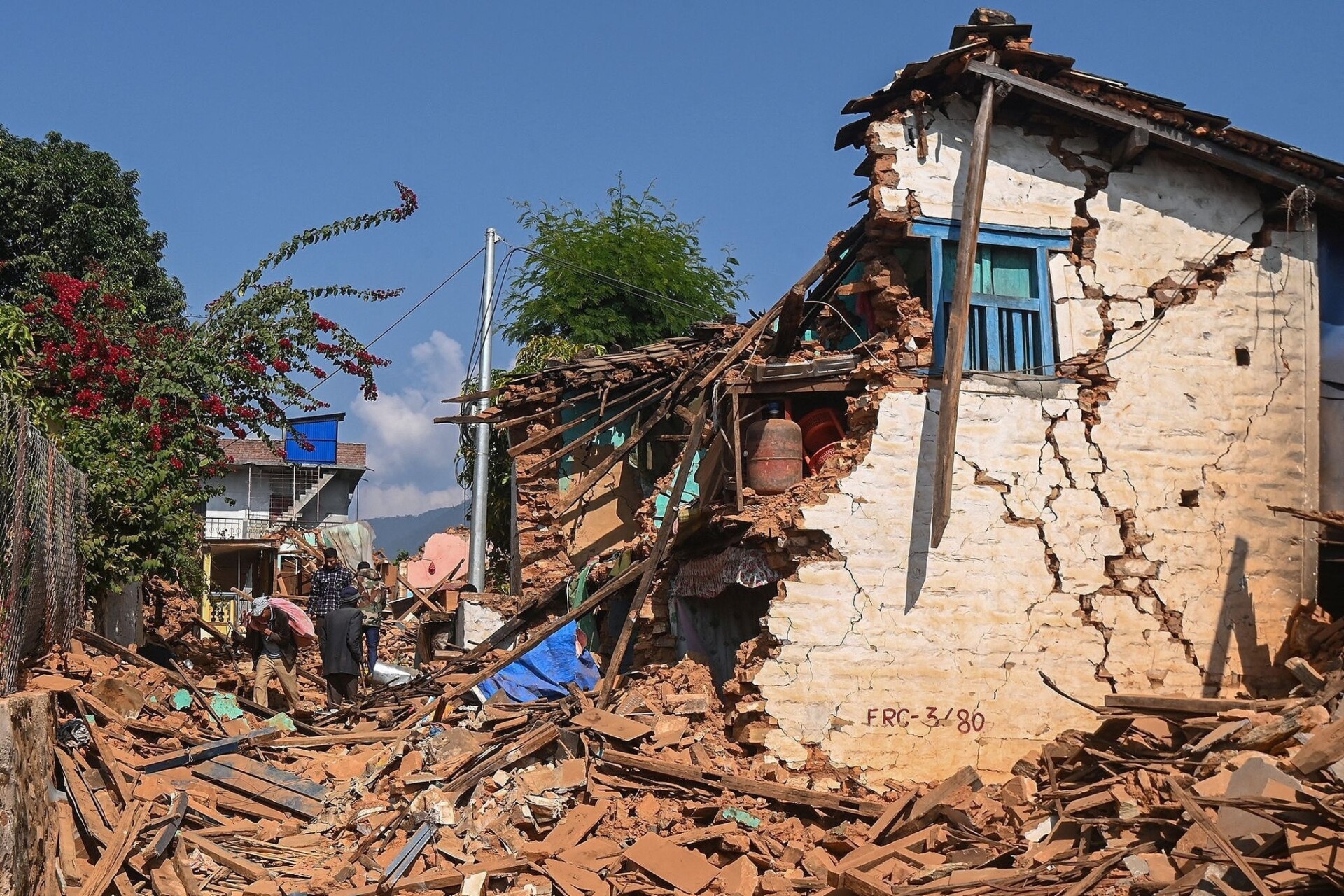
Nepal and Philippines
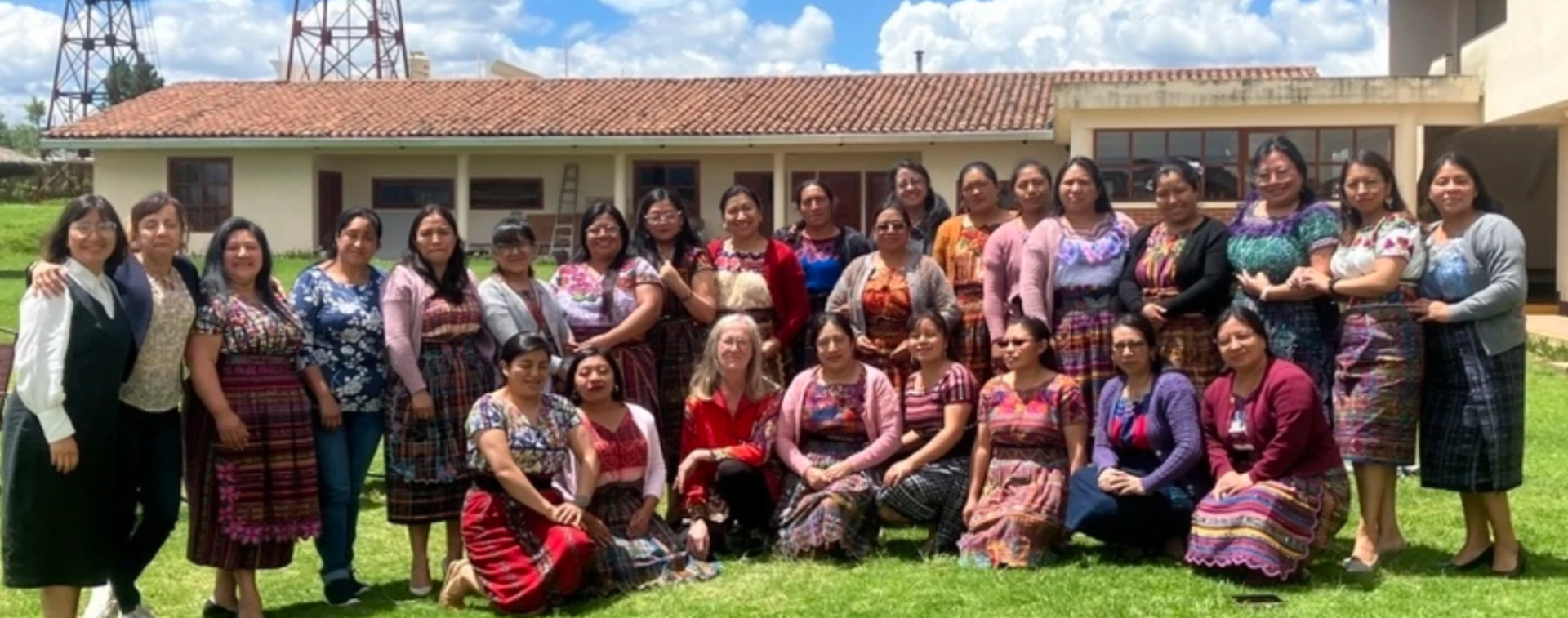
Guatemala
Philippines
Nepal
Documentation Center
Browse our Documentation Centre to explore publications related to this theme.
Humanitarian aid & emergency response
Impact Report - Earthquake - Haiti 2021
Research, publication & impact summary
Education & training
Susasan School: A Capacity Building Approach Nepal, 2021
Research, publication & impact summary
Humanitarian aid & emergency response
Expertise - Humanitarian Aid, Sustainable Actions in Times of Crisis
Communication & awareness
Governance & local development
Good Practices in C0-creating the public sector accountability in Nepal 2021
Research, publication & impact summary