
To build sustainable and inclusive economies, it is essential to take simultaneous action on economic opportunities, the business environment, and climate resilience.
Sustainable and Inclusive Economies
CECI works with women and young people to build sustainable, inclusive economic models that can create business opportunities and empower them to take action in their communities.
CECI defines women's economic power as the ability of women to generate and manage sufficient resources to ensure their autonomy and fulfillment within their families and communities, as well as their power to influence decision-making processes in relation to economic policies in line with the vision and priorities for a just and sustainable development.
Overview of the current situation
In many regions, women and young people play a vital role in economic vitality, yet they do not always have access to the enabling conditions needed to contribute fully to it.
2.4
billion women worldwide do not have the same economic rights as men (World Bank)
178
countries have legal barriers that limit women's participation in the economy (World Bank)
3.3
billion people live in areas highly vulnerable to climate impacts, undermining livelihoods and local economic systems (IPCC).
Our approach
Our approach is based on three complementary pillars:
1. Inclusive entrepreneurial growth and economic opportunitiesAccess to economic opportunities remains unequal, particularly for women and young people, who face structural barriers that limit the growth and sustainability of their initiatives. To help shift these dynamics, we focus on:
- Strengthening technical, digital, and interpersonal skills.
- Support the growth of micro, small, and medium-sized individual or collective enterprises.
- Facilitate access to training, business development services, innovative financing (impact investing, climate finance), and green technologies.
- Proactively integrate digital innovation and artificial intelligence to improve productivity, access to information, and decision-making.
2. Inclusive and sustainable business environmentMarkets and regulatory frameworks directly shape who can start a business, innovate, and thrive. To promote more equitable and sustainable economic environments, we work to:
- Work with economic actors to remove structural and social barriers that limit women's and young people's access to markets.
- Promote equitable value chains, gender-sensitive practices, and recognition of care work.
- Encourage greater participation of women and young people in decision-making spaces and economic leadership.
3. Climate and biodiversity solutionsIn the face of escalating climate impacts and biodiversity loss, it is essential to support economic models that combine performance, equity, and environmental responsibility. To contribute to this shift, we work to:
- Develop and scale up climate and nature-positive solutions integrated into economic activities.
- Strengthen the sustainable management of natural resources and agri-food systems.
- Mobilize climate finance to support adaptation, the resilience of local businesses, and the transformation of economic systems.
Expected Changes
Through more equitable, sustainable, and resilient economic ecosystems, CECI strengthens communities’ capacity to respond to crises while supporting long-term, shared prosperity:
Women and young people strengthen their skills, economic mobility, and agency;
Individual and collective businesses thrive in more favorable, green, and inclusive environments;
Income increases and is better controlled by women and young people, who exercise greater decision-making power;
Economic activities incorporate climate solutions that increase their resilience and sustainability.
West Africa
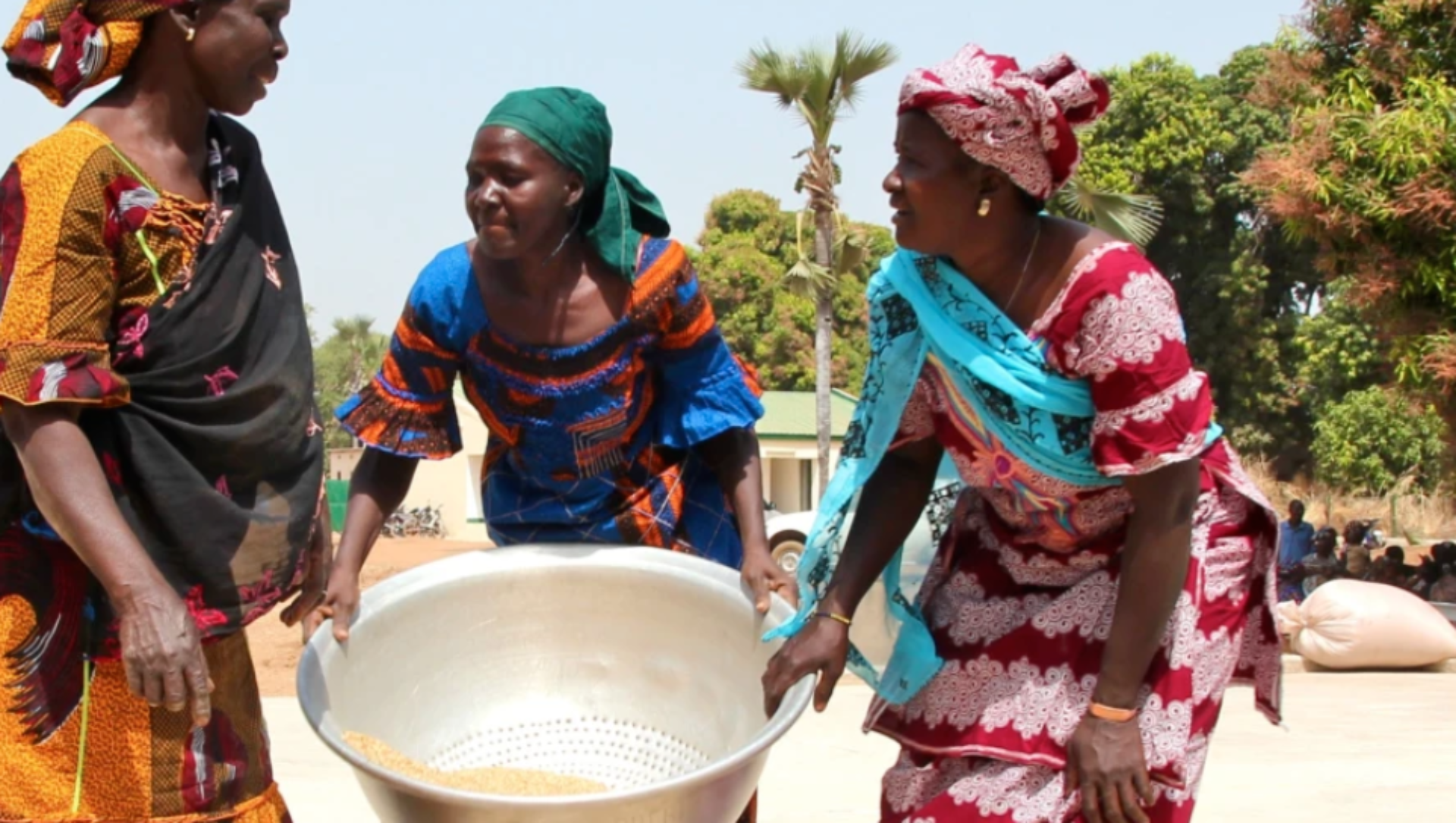
Women Entrepreneurs in Solidarity Program
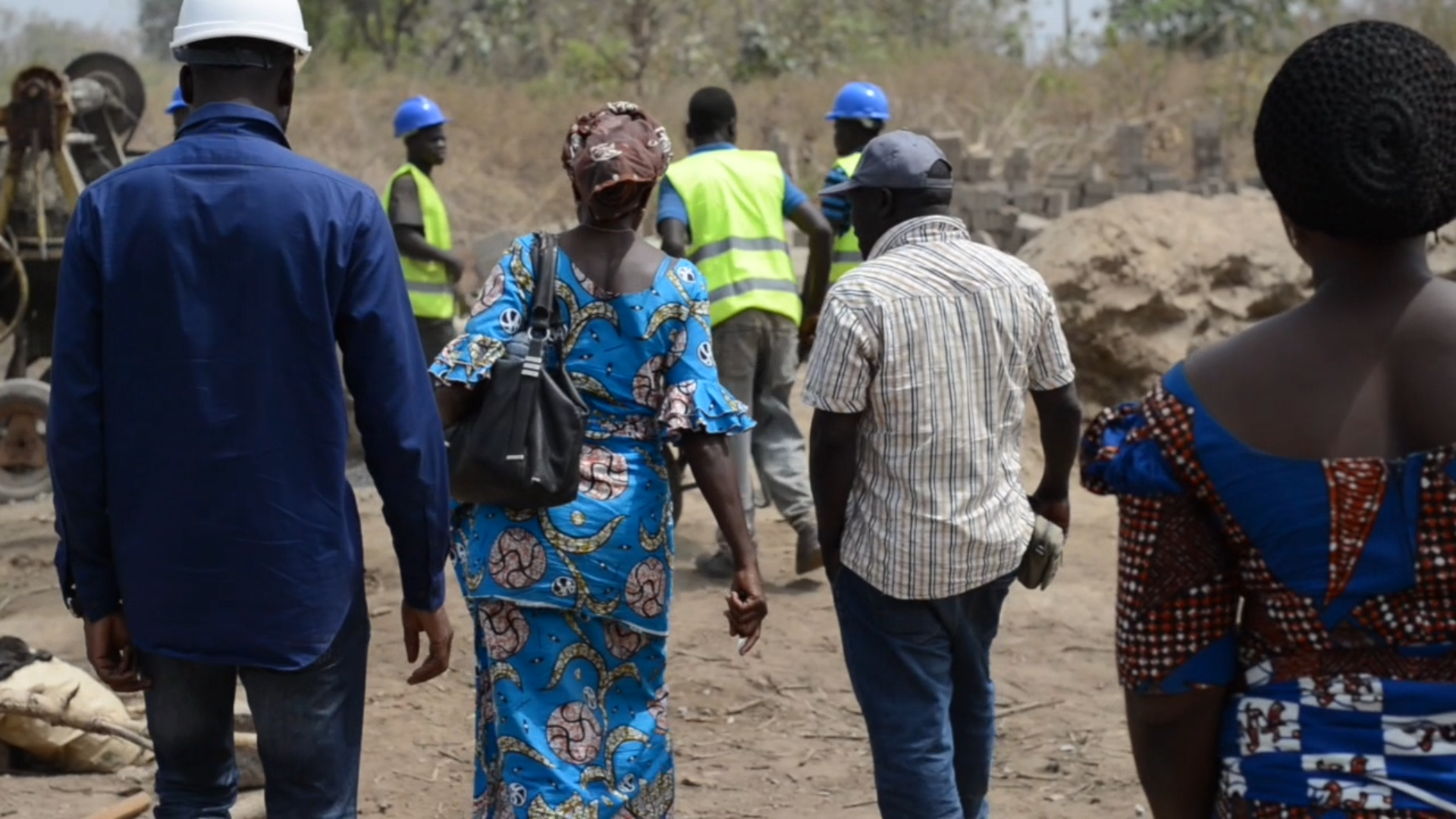
Benin
Senegal

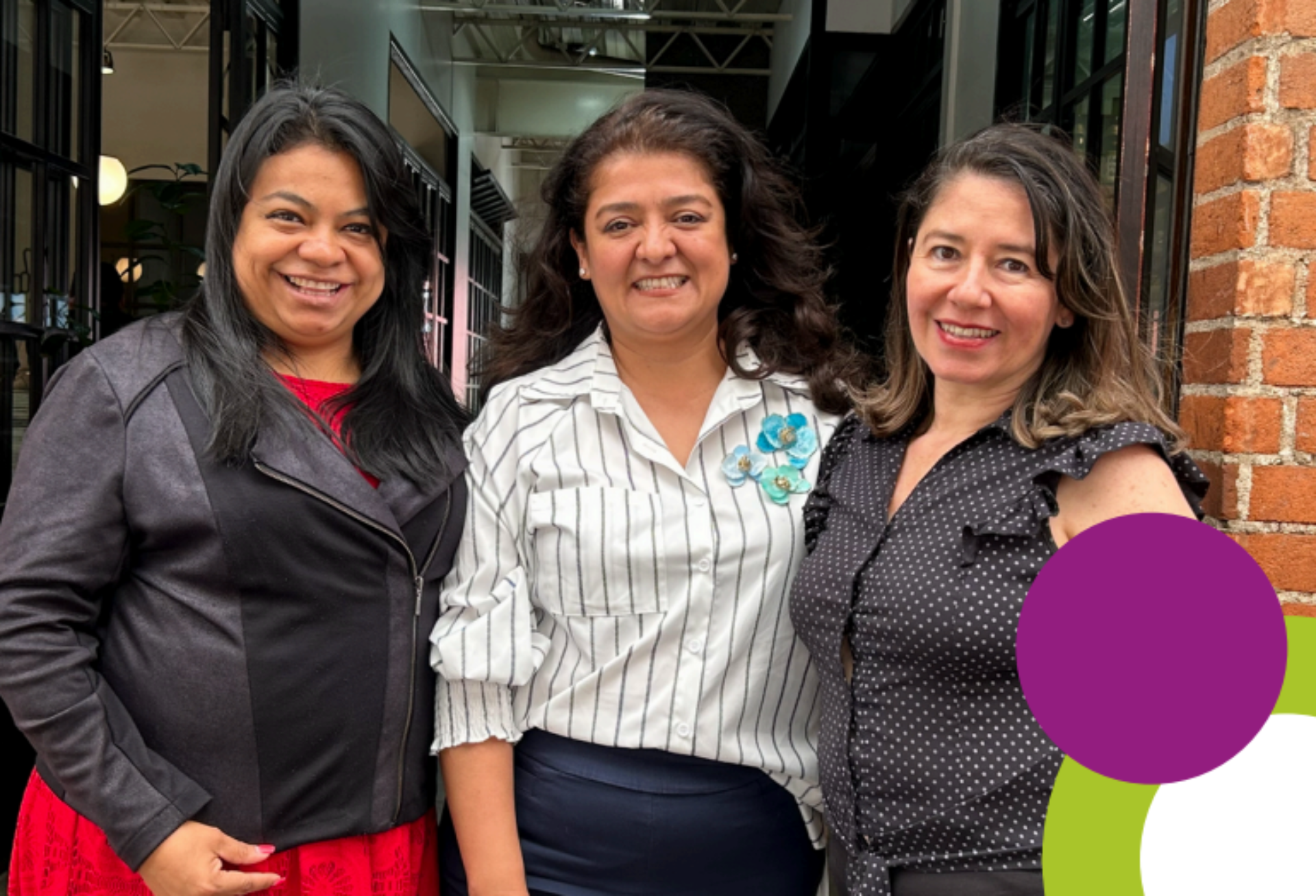
Guatemala
West Africa
Documentation Center
Browse our Documentation Centre to explore publications related to this theme.
Women’s Economic Empowerment
Economic Empowerment of Women. CECI’s Approach
Policy and institutional document
Women’s Economic Empowerment
FAR project impact report - 2023 - FR
Research, publication & impact summary
Rights
Roadmap for the implementation of the Women's Empowerment Principles (WEPs) and regional best practices (espagnol)
Research, publication & impact summary
Environmental sustainability
The Atitlán Recicla Project: Driving Collective Impact for Women's Economic Empowerment and Environmental Sustainability
Research, publication & impact summary