Completed project

Response to Acute Humanitarian Needs of Vulnerable Women and Men through Food Security (OFDA 8)

Mali
Humanitarian action
Date

may 2017 - november 2023

Budget

$1,400,000 USD

Bureau for Humanitarian Assistance

Partenaire de consortium

Association Subhai Gumo (ASG)

Impact for

1 partner organization benefits directly from the project

54,285 people benefit directly from the project (7,755 households) - 53% women and 44% of them are internally displaced persons
379,995 people benefit indirectly from the project

Since 2012, Mali has experienced a major political, security and humanitarian crisis, characterized by a marked deterioration in the security of civilian populations - especially in the North and Center regions - large population movements, difficult access to water and livelihoods, and a high level of food insecurity. The situation is worsened by an escalation in inter-ethnic conflicts, particularly in the central regions (Ségou and Mopti). The persistence of insecurity in these regions increases the displacement of populations and contributes to the increase in humanitarian access constraints in a complex emergency environment characterized by lack, and sometimes an absence, of basic social infrastructure and services.


According to the Humanitarian Needs Overview (January 2020), insecurity affects almost half of the population in Mali (8,2 million people), 15% more than in 2019 and 4,3 million people are in need of humanitarian assistance, 25% more than in 2019. 52% of them are women and girls.

This project aims to meet acute humanitarian needs, strengthen households’ resilience by supporting livelihood activities (agriculture, vegetable gardens and livestock), to protect women in vulnerable situations from gender-based violence, to promote good hygiene practices and to ensure better access to safe water.

Objectives

1 / 3

Improving the strategic positioning of unions and cooperatives

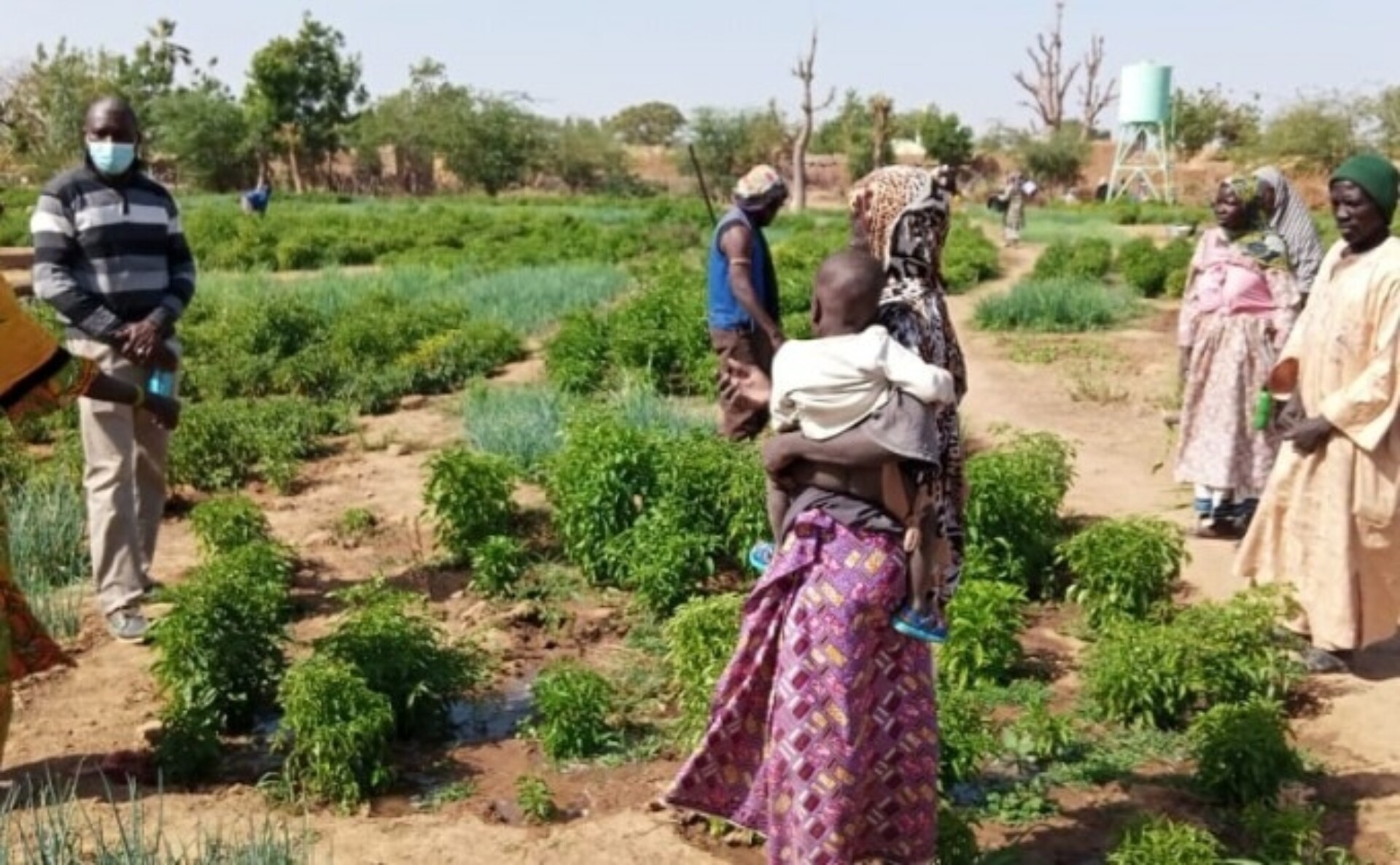
In the Agriculture and Food Security sector, CECI has distributed seeds and tools in order to increase cereal and vegetable production for vulnerable farming households, to support rehabilitation and the cleaning of irrigation canals and has provided most of the planned training on best agricultural practices. For vulnerable livestock herders, the distribution of feed concentrate vouchers will prevent vulnerable herders from adopting negative coping mechanisms.


Improve access to water supply sites and encourage good hygiene practices around water access points

In the WASH sector, CECI has targeted the domestic, garden and pastoral wells that it has rehabilitated to improve the availability of water for households, livelihood activities and livestock. Due to the lack of functional wells, communities collect water for human consumption at garden or pastoral wells. To ensure that the water collected for human consumption is safe, CECI has installed multi-use systems that separate water for livestock consumption from the one used for human consumption. Water purification kits were also added to each site. Representative Water Management Committees have taken charge daily of the safe water storage and purification, and have made sure that proper sanitation practices were applied around the wells. Furthermore, CECI has targeted the vulnerable households for the distribution of WASH kits in order to increase safe water storage and treatment capacity at the household level.

In order to adapt project activities to the Covid-19 pandemic, hygiene promotion sensitization messages became standard practice during all project activities.

Prevent gender-based violence (GBV) and increase awareness among communities

To ensure a sustainable impact, especially for women and young women, CECI works with locally led women groups to increase community awareness around gender-based violence and available response services.

Boys, men and community leaders are also involved in GBV prevention activities through the écoles des maris, which are groups that aim at understanding the roots of violence against women and at identifying and supporting positive masculinities.

Results that count

Significant increases!

9.6

kilometers of irrigation canals that have been rehabilitated

20

wells rehabilitated

3 120

households (2,496 women and 1,560 displaced persons) trained in good hygiene practices

10

women's committees that received cash assistance to ensure adequate access to response services for survivors

2,030

people (466 men, 447 women, 521 boys, 596 girls and 500 IDPs) who participated in prevention and awareness activities on gender-based violence

Our partners

Thank you to our financial and implementation partners, without whom this project would not be possible.

Take action

Get involved now and make a difference!