Récit de changement
Bringing Couples Together: Sharing Leadership for Prosperous Rwandan Communities
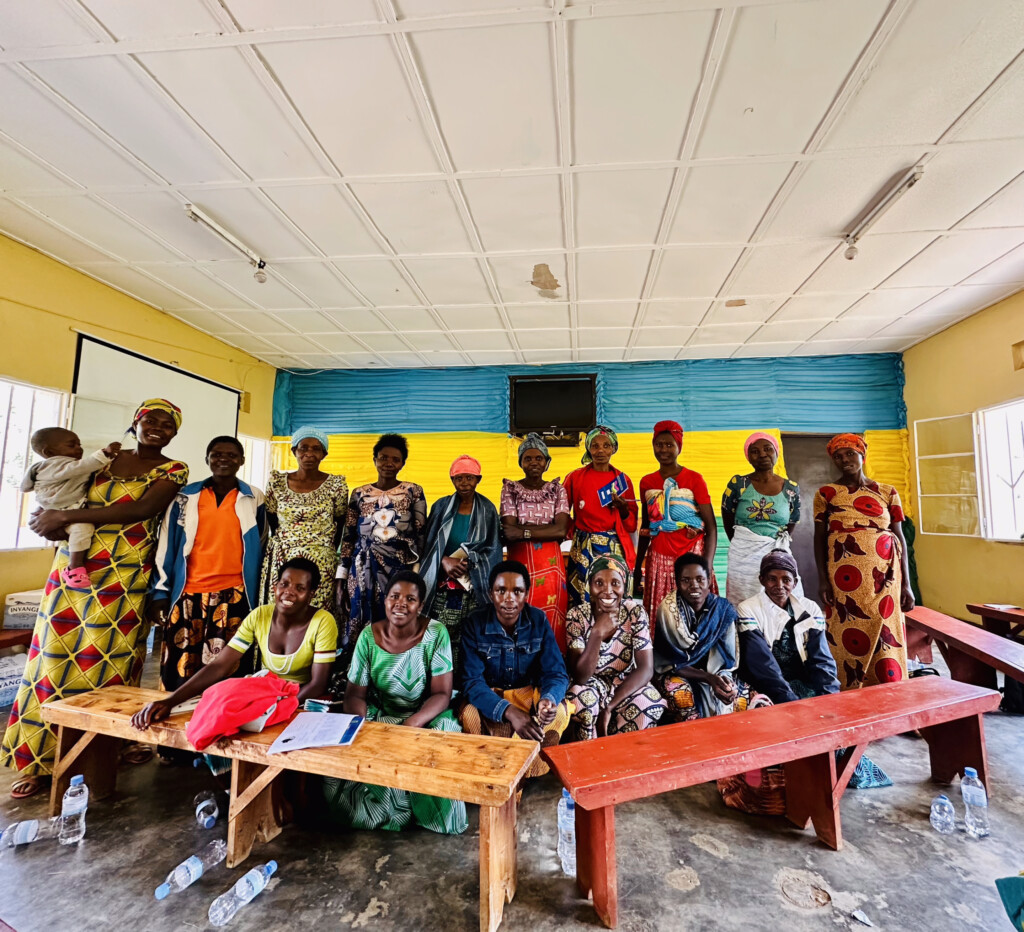
May 7, 2026They are entrepreneurs, mothers, wives, and above all, determined women living in the districts of Karongi and Rulindo in Rwanda. Through community savings groups (VSLs), these Rwandan women—supported by the local nongovernmental organization Duterimbere, with assistance from CECI Rwanda—work every day toward a clear goal: to strengthen their economic independence and transform their family lives.
Gain recognition
Despite their ambition, there had been many obstacles up to that point. One of the most overwhelming was the lack of consideration from their spouses. While some women managed to surpass their husbands’ financial contributions to the household, they were still far from being recognized as active participants in household decisions. These wives continued to suffer violence, while others faced indifference or belittlement from their husbands. Out of frustration, some of them even went so far as to inflict insults, bites, and stab wounds on themselves. Added to this toxic climate, polluted by an ever-widening chasm between spouses, were real shortcomings in financial management, hindering their potential for economic growth.
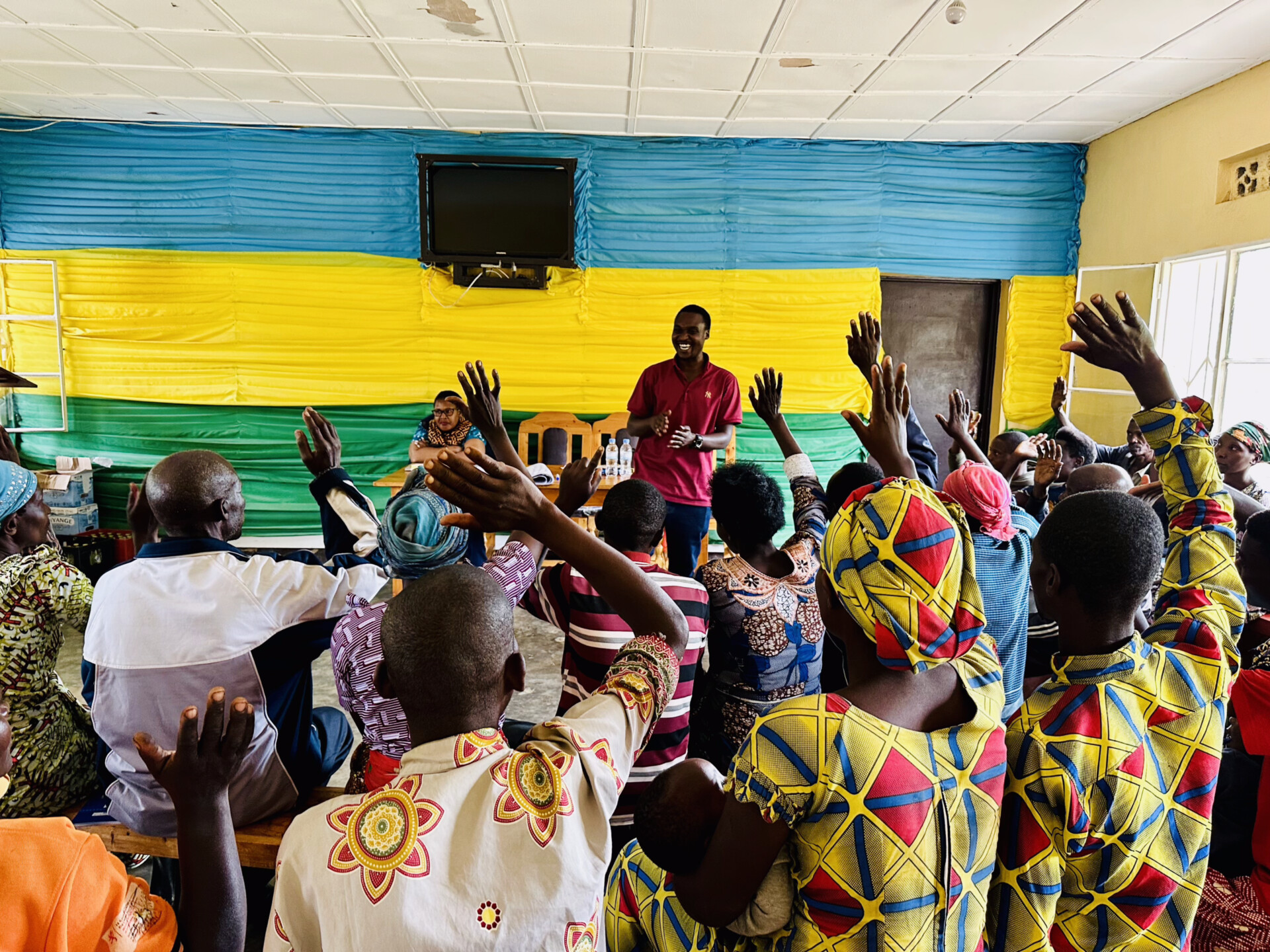
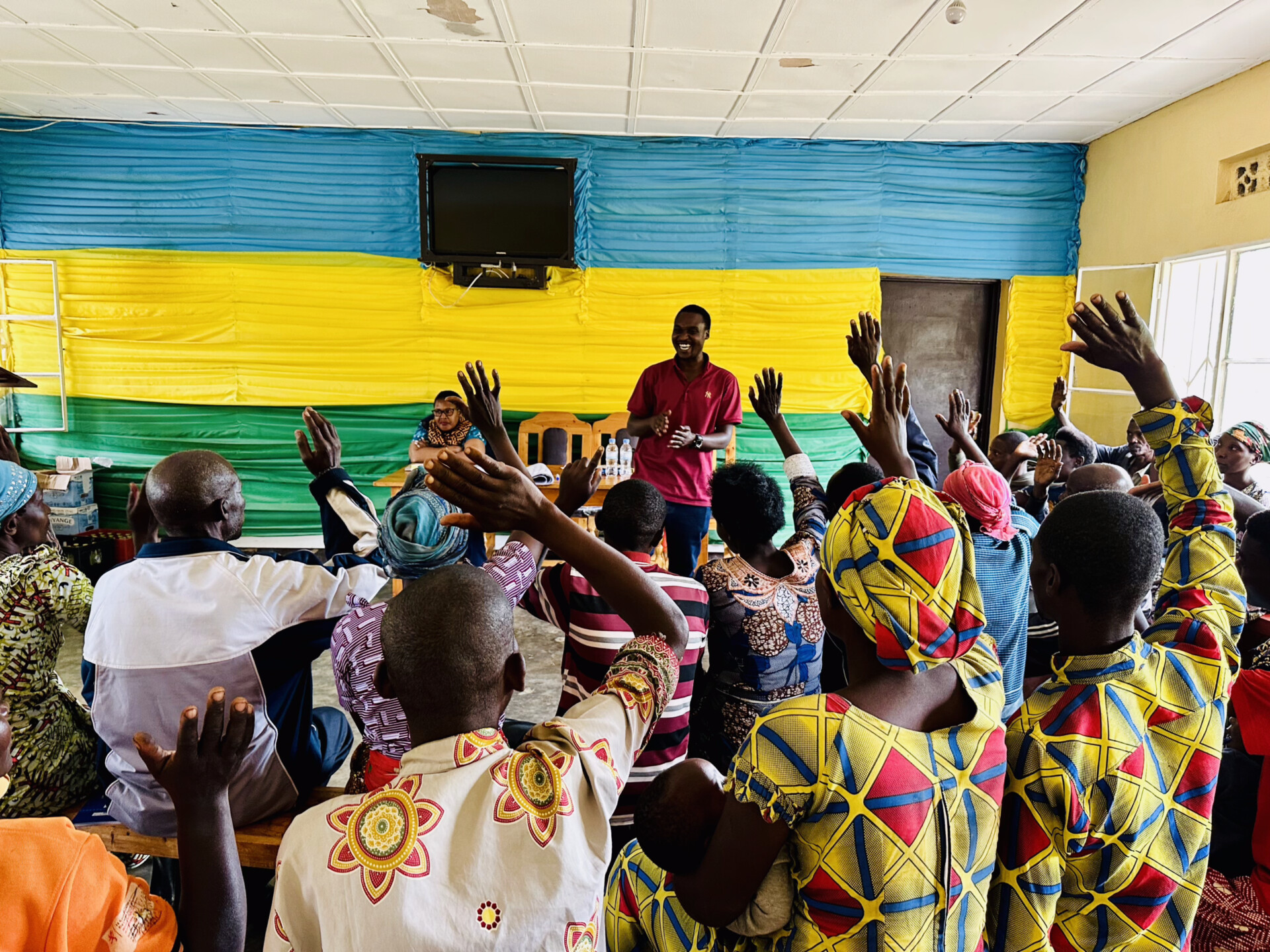
That’s when a complete turnaround took place. With the support of volunteers Beny Ndayishimiye, a gender and entrepreneurial innovation advisor, and Shima Butera, an IT communications advisor, from CECI’s Volunteer Cooperation Program (PCV), the project focused on an unexpected but decisive lever: marital counseling. By bringing women and men together for frank discussions on sexuality, parenting, conflict management, mutual respect, and economic dynamics, the project provided a safe space where everyone could speak freely without judgment.
The women, already active in their communities as mentors and leaders, played a key role in driving this change. By guiding new members and sharing their own marital and professional challenges, they broke the silence and encouraged a shift toward healthier relationships. Their involvement helped spread practices that are fairer, more sustainable, and above all, more humane.
The effects were felt from the very first training sessions.
Tangible changes
During a discussion exercise between spouses, followed by a group sharing session, four couples—primarily the husbands—stated that they had changed their behavior and committed to actively supporting their wives’ projects. Their accounts revealed a key insight: by better understanding one another, we build a stronger shared path that benefits everyone.

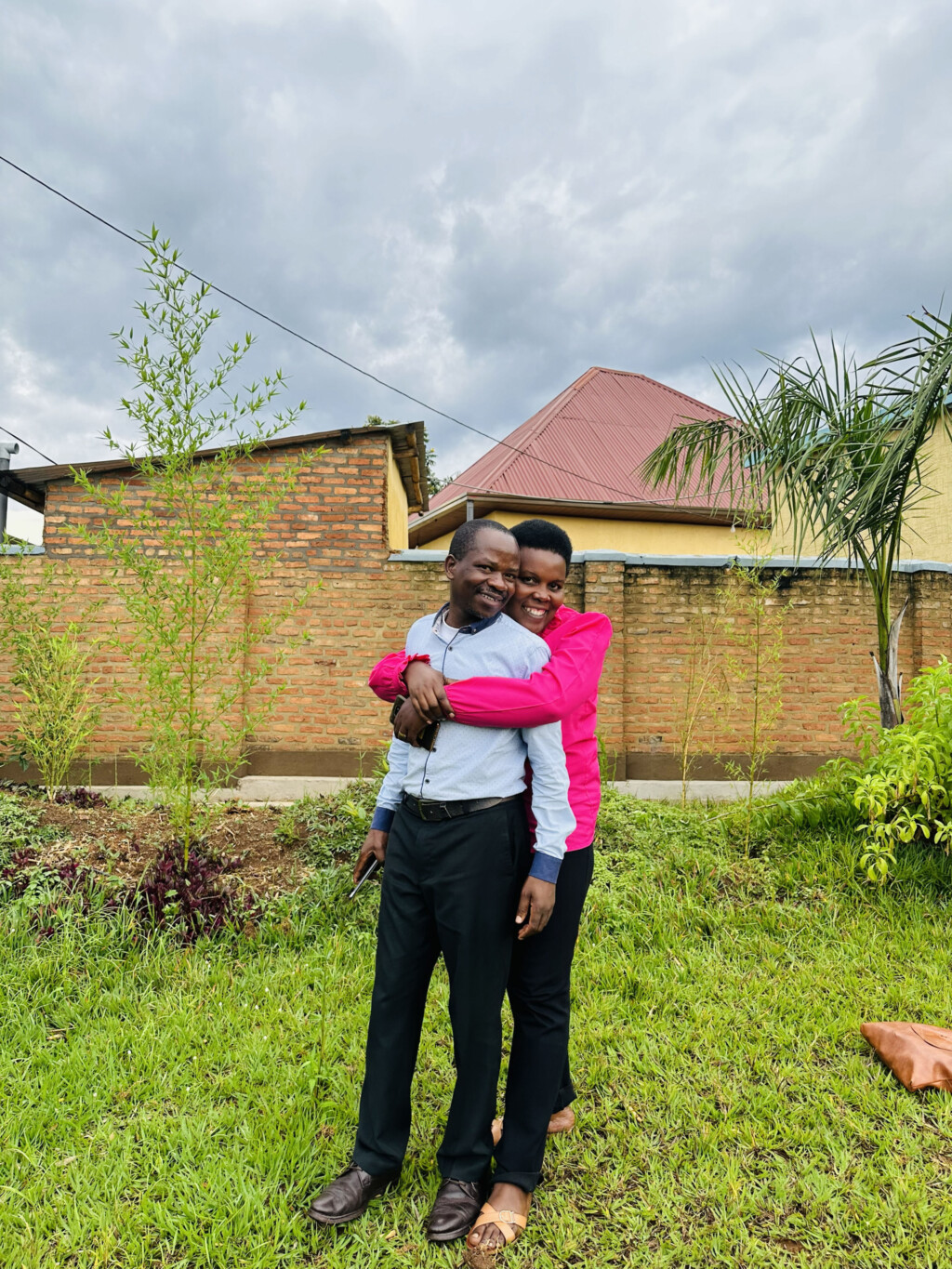
A couple, whom we’ll call Nana and Lambert, shared their experience in more concrete terms: Lambert noted that the training had helped him gain a greater appreciation for his wife Nana’s business. Initially convinced that she should be content with her domestic duties, he gradually began to value his wife’s business. By offering her more support at home, he allows Nana to free up time to fulfill herself through her business. By fostering greater closeness in the couple, as well as a significant income and influence, everyone benefits from maintaining this collaboration.
PCV volunteer Shima contributed significantly to this dynamic by facilitating the sessions using participatory methods that encouraged speaking up, listening, and self-reflection. The project helped break down taboos, address gender roles and often-invisible forms of violence, and foster new ways of experiencing the couple’s relationship as a true partnership.
These meetings also provided an opportunity for the women to articulate the tensions they experience between their role as entrepreneurs and the social expectations associated with the home. By expressing their challenges—financial, emotional, and relational—together, they strengthened their resilience and sowed the seeds of collective well-being.
Building a Solid Foundation
Finally, the workshops laid a solid foundation for a new family model based on respect, fairness, and cooperation: a lasting example for the children who observe and experience it. The impact on future generations quickly became apparent: boys are now contributing more to household chores, and girls are expressing their academic and professional ambitions more freely. Their mother has finally transformed from a self-effacing homemaker into an active entrepreneur and a confident co-decision-maker.
These women and their husbands are now committed to building a home founded on respect, listening, and collaboration. Because empowering a woman also opens the door to a more united couple and a stronger community.