When Voices Align, Change Amplifies
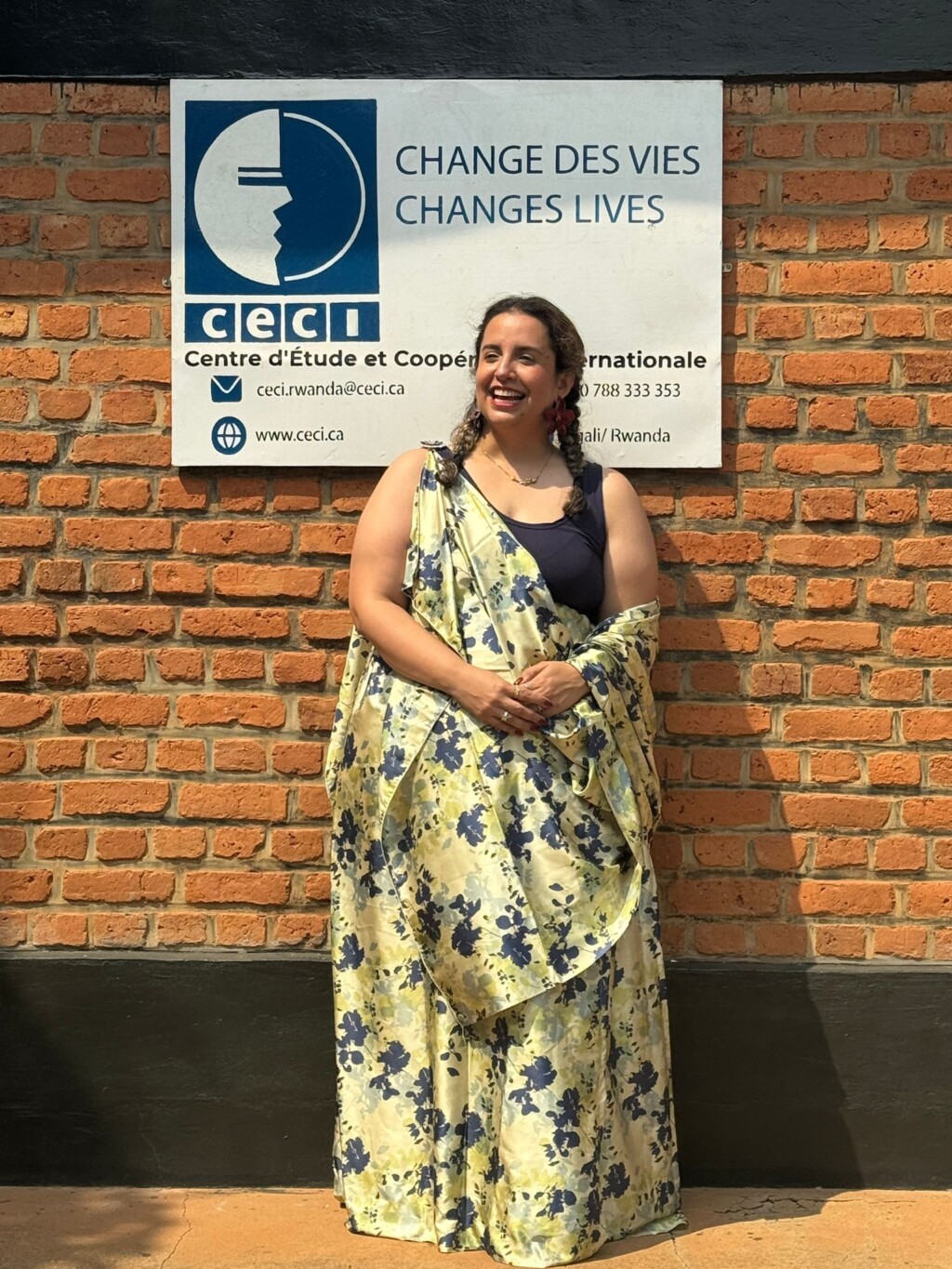
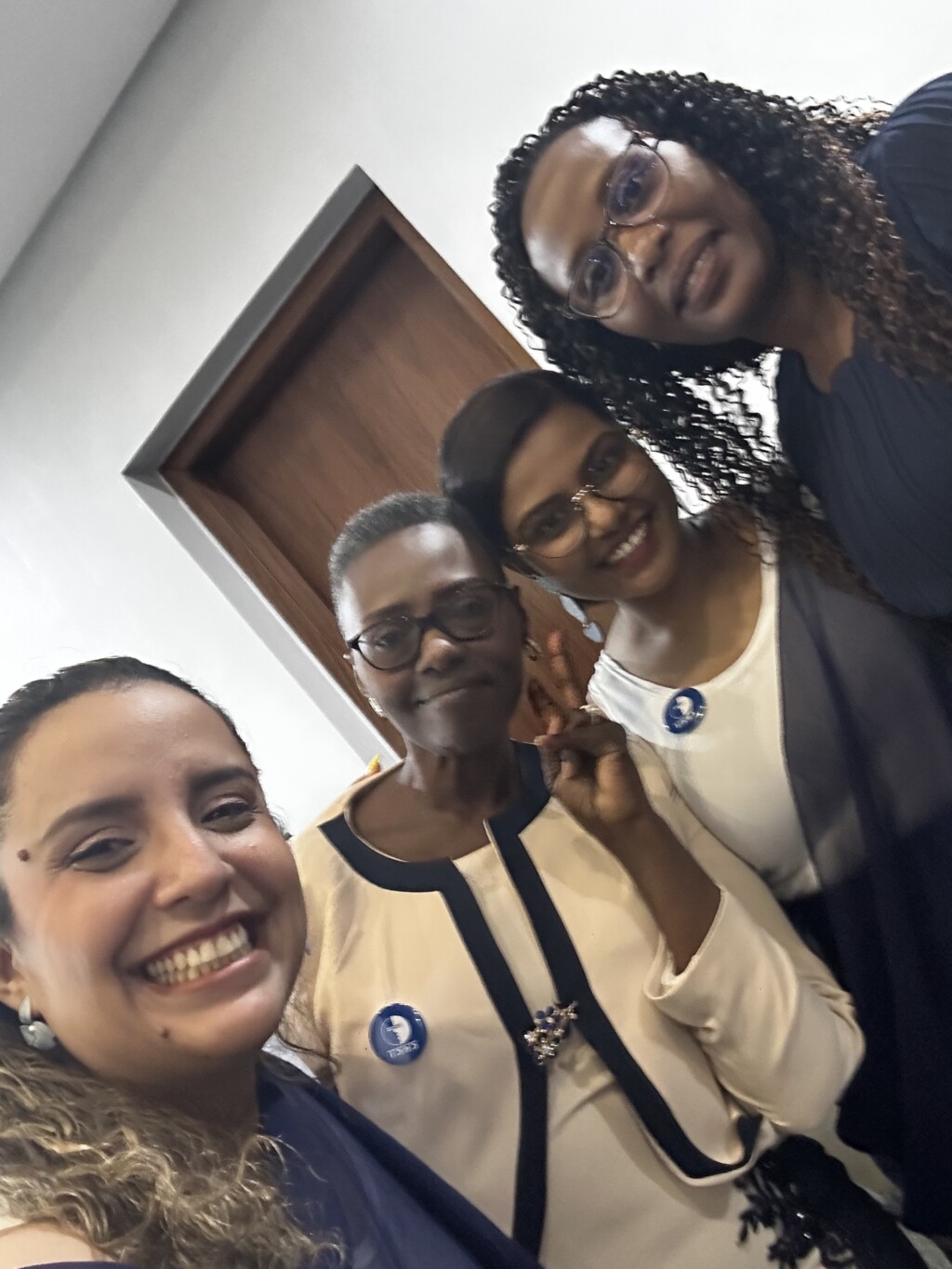
The first time I walked through the doors of the Duterimbere NGO, I immediately sensed that my mandate would extend far beyond communications. The Executive Director welcomed me with a warm smile, wearing a yellow dress identical to mine. This simple coincidence broke the ice and, more importantly, created an instant bond of trust. I had arrived as a communications advisor, but I was already being welcomed as a true partner.
The Communication Challenge
Very quickly, a clear challenge emerged: the organization wanted to reach the women farmers it supports more effectively, yet most of its messages were produced in English or French. However, the vast majority of rural women primarily speak Kinyarwanda. How can lasting change be achieved if information does not reach women in the language that reflects their lived realities?
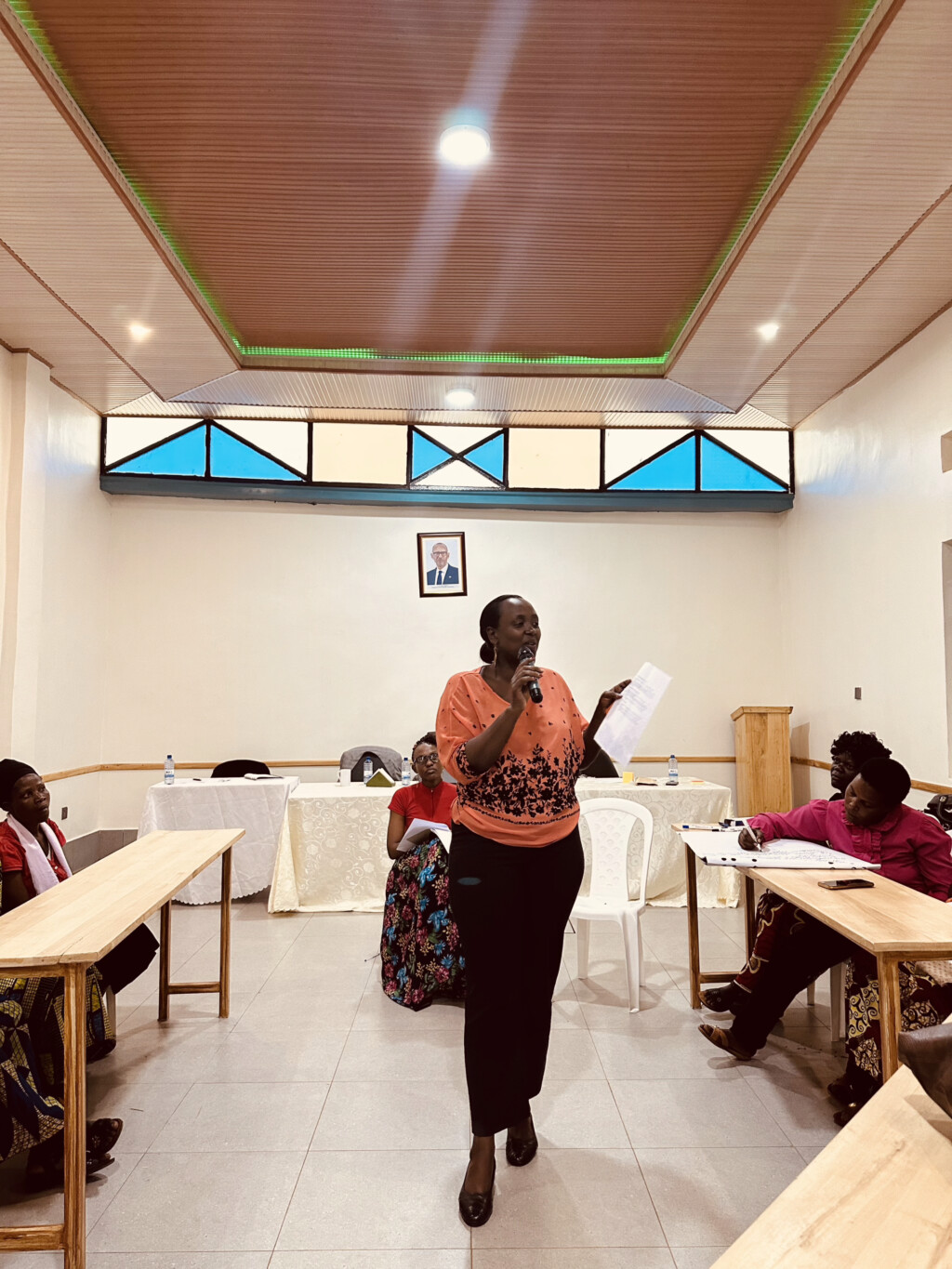
This became the focus of my mandate: adapting communication so that it truly reaches women, in their language, using their words. I designed the strategy and, with Benny and a newly hired intern, we built a translation and cultural adaptation system that would transform the reach of every message. This close collaboration, rooted in the local context, was one of the first building blocks of change.
Then came the key moment: organizing a major event to highlight Duterimbere's impact on women farmers. An event that usually remains low-key, shaped by technical and organizational limitations. Together, we decided to do something completely different:
- an event accessible both in person and online;
- an event designed around the rhythms of the communities;
- an event that finally told women’s stories in their own language.
The change was felt very quickly. As the strategy took shape, the team realized the importance of planning, organizing the steps, and allowing time for communication to play its role. In a context where activities are often prepared at the last minute, structuring the work—even in a week and a half—was almost a challenge.
And yet, it succeeded.
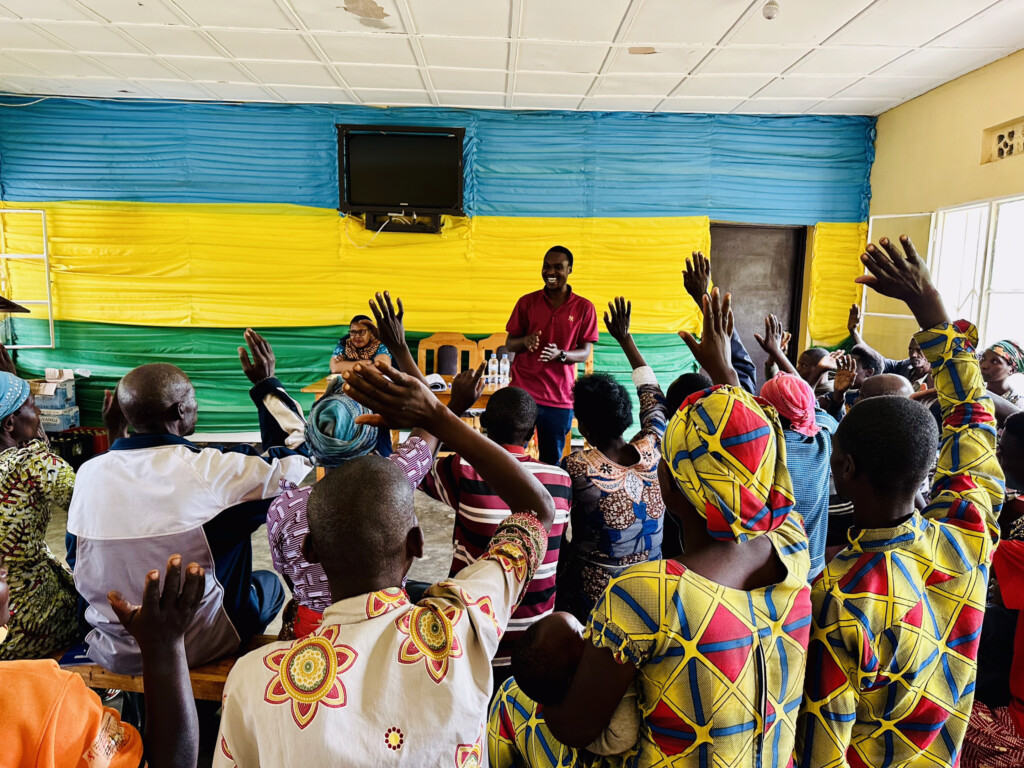
The event exceeded all expectations: increased visibility, new subscriptions, massive participation, live interactions.
The director, surprised by the scale of the movement, received calls from people who were truly discovering the impact of the organization. This time, the transformations experienced by women were no longer confined to written reports: they were becoming visible, public, and recognized. For women farmers, this change was not just a matter of communication. It was a way for them to be represented, heard, and valued. The simple act of broadcasting messages in Kinyarwanda—in their tone, their rhythm, with references that resembled them—created a new bond between the organization and its community. Communication became a tool of power: that of making women who were often forgotten in public discussions.
For Duterimbere, this change opened up new horizons.
The new visibility strengthened its credibility, supported its ability to seek funding, and revived its institutional confidence. The organization now understood that strategy was not a luxury, but a vehicle for transformation.
And for me, this experience was a turning point.
I learned that when you truly adapt—to languages, rhythms, available resources—communication becomes a lever for equality. I learned to deal with “orderly chaos,” where not everything is fast or digital, but where every gesture can bring about real change when done with care.
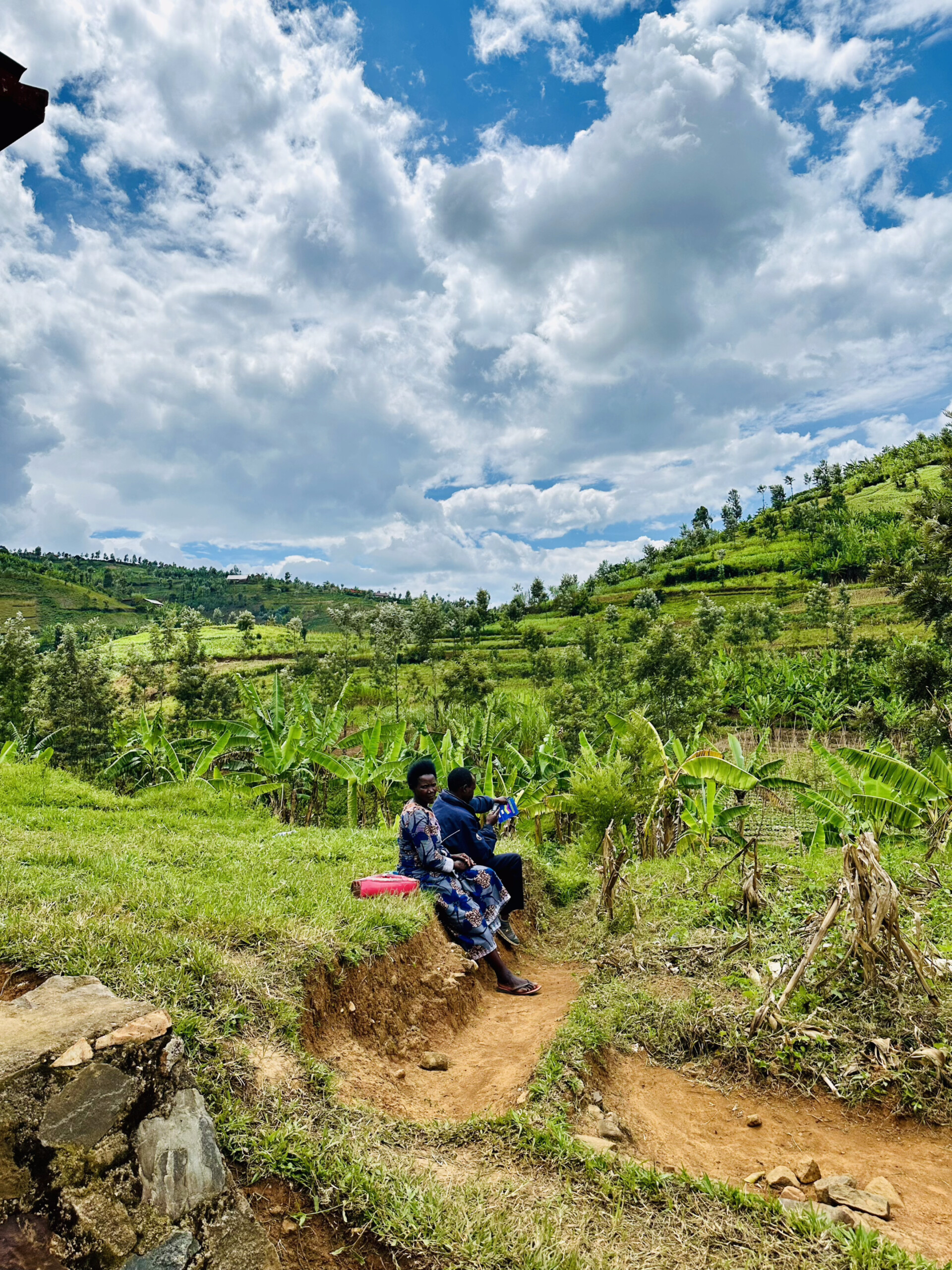
As I left Rwanda, I felt a rare mix of emotions: deep joy at having contributed to something meaningful, and sadness at having to leave. I had discovered a community where progress is calm but steady; where collaboration is built on sincerity; where visibility is not an aesthetic goal, but a means of supporting women who are transforming their future in the hills of Rwanda.
If I were to take away just one lesson, it would be this:
Change begins when women are given the words that are theirs and the space to make them heard.
Once their voices circulate, nothing can stop them.
Our partners
Thank you to our financial and implementation partners, without whom this project would not be possible. CECI's volunteer cooperation program is carried out in partnership with the Government of Canada.