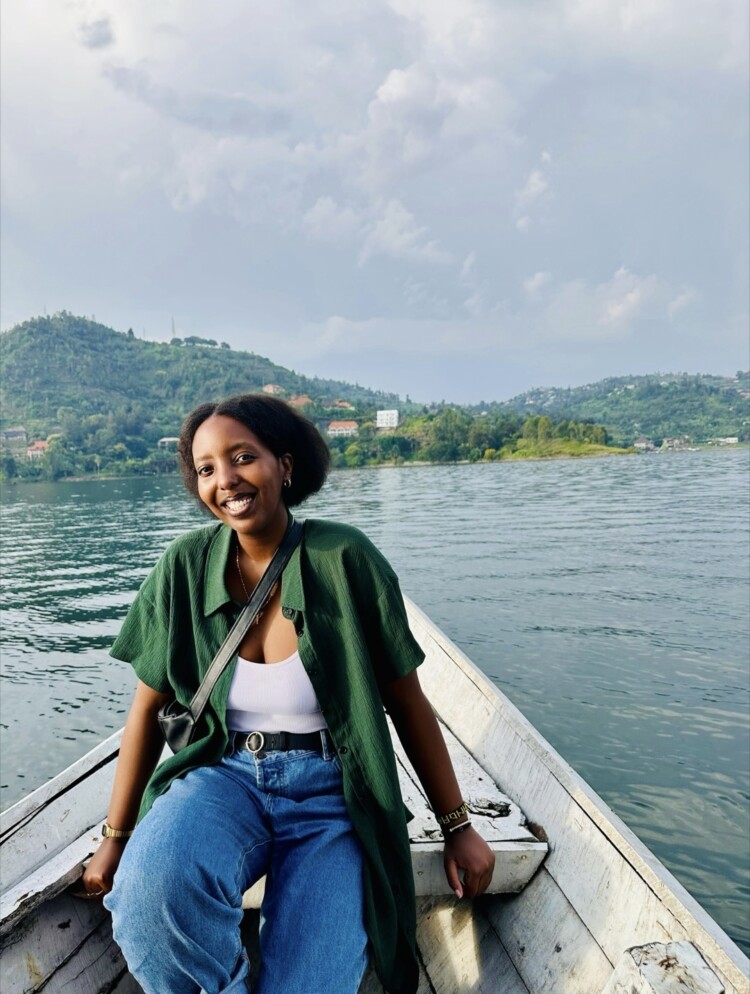
Success story
Women of the Land of a Thousand Hills: When Dialogue Changes the Game
On Wednesday, January 21, 2025, as I stepped through the doors of the Duterimbere NGO offices in Kigali, I had little idea of how much would change for the women I was about to meet, for the organization, and for myself.
A Welcome Without Protocol
I was welcomed as if I were already part of the family. No rigid protocol — only warm smiles and genuine questions about my background and what had brought me here. Time was taken to explain Duterimbere’s priorities, its mission with women, and its approaches. And above all, I was listened to. From that very first day, I felt I was not coming to “bring” something from the outside, but rather to enter into a genuine partnership where everyone had something to offer.
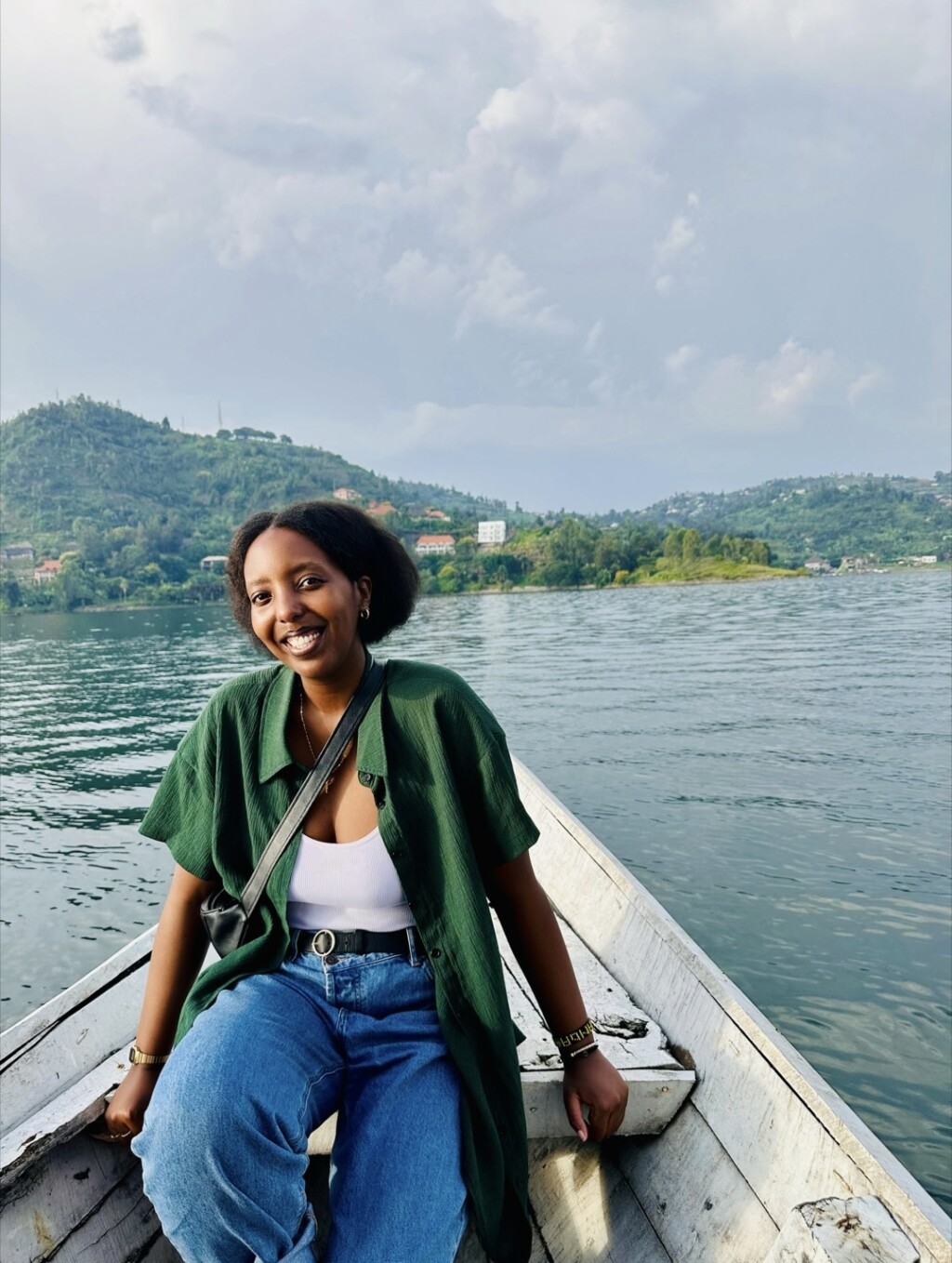
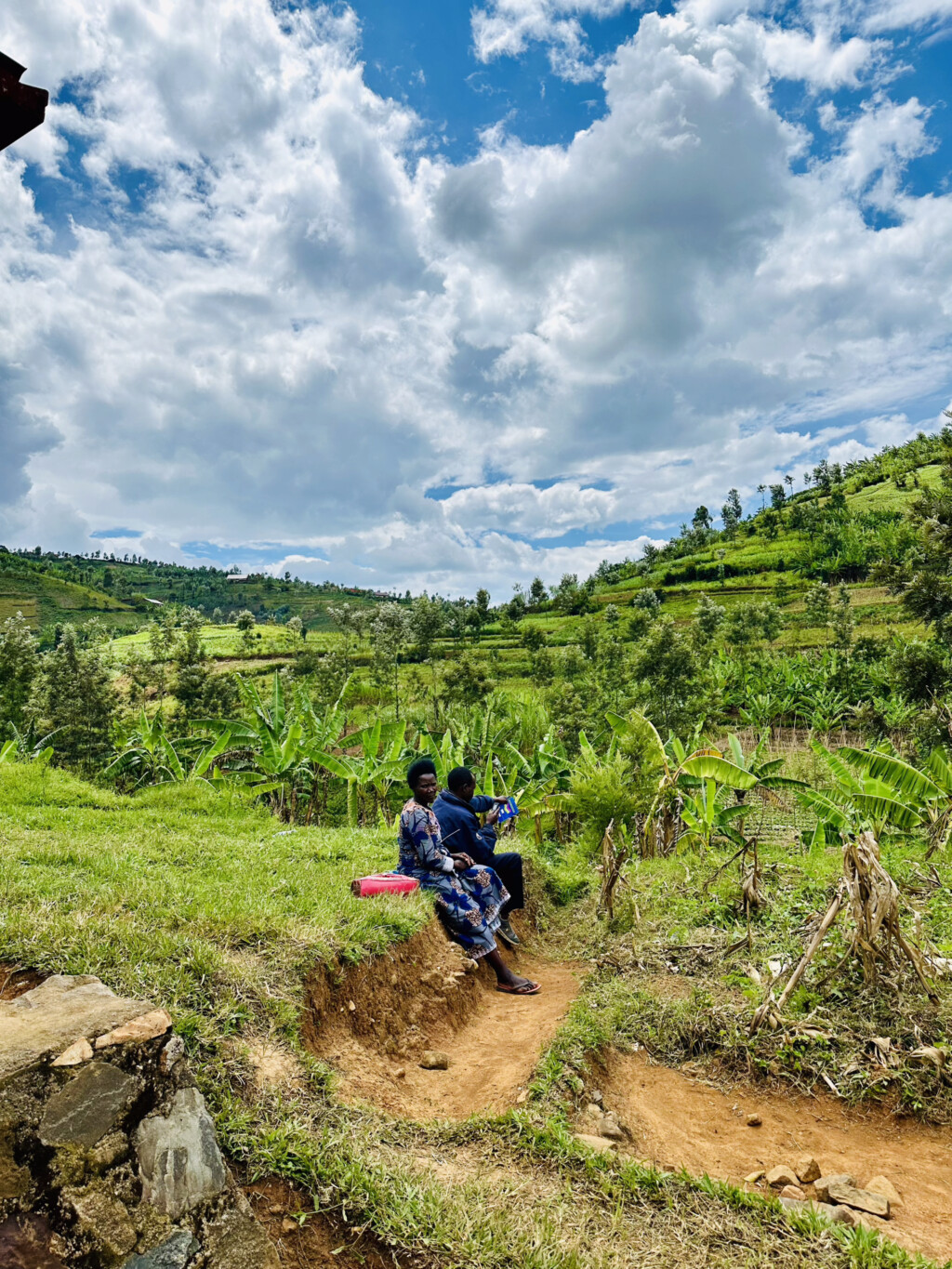
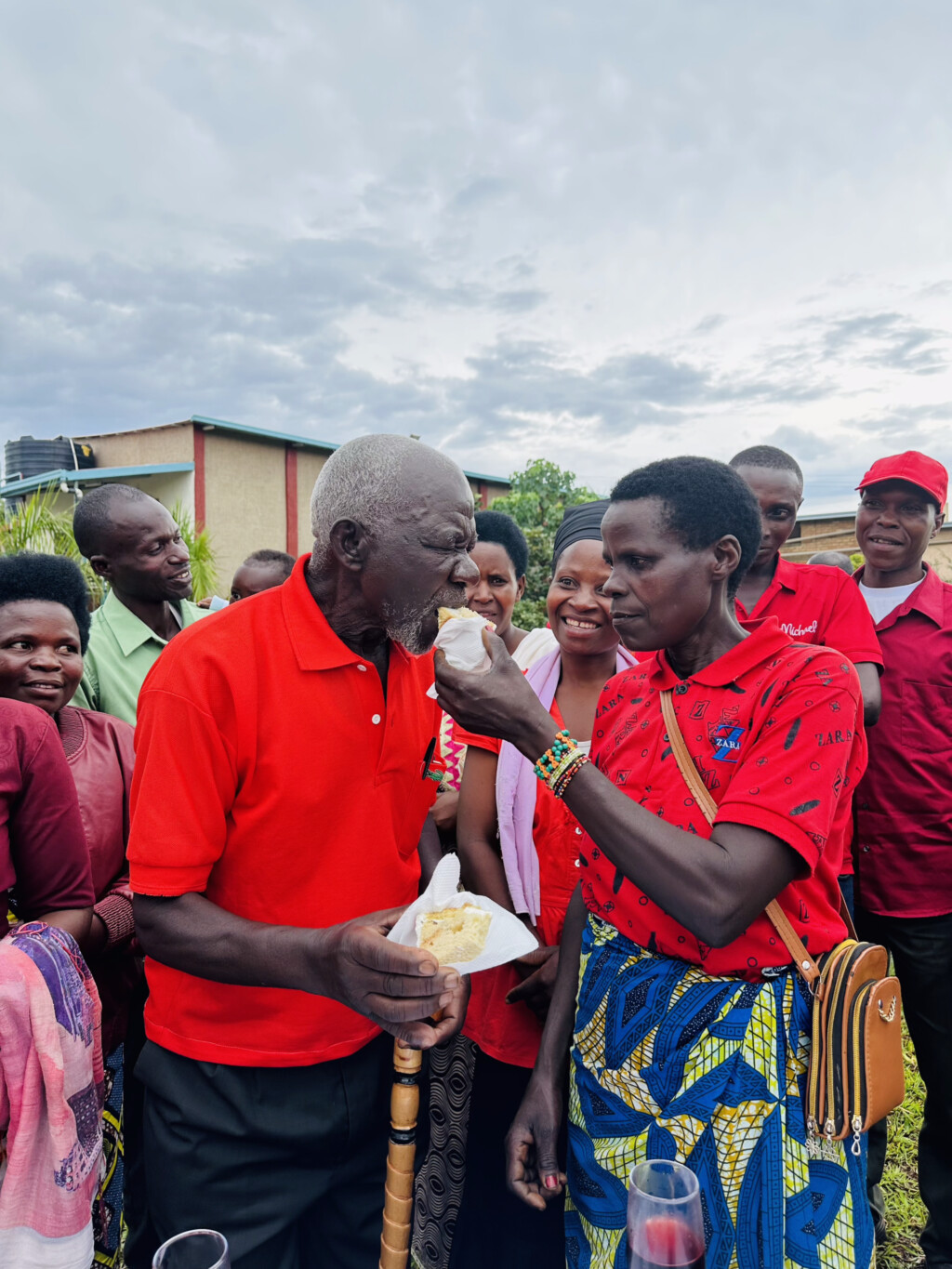
In the communities we later visited, the same spirit of humanity was everywhere. Women spoke to me about their savings groups, their small businesses, and their daily challenges — always with quiet pride. My hesitant Kinyarwanda sparked laughter, never mocking — I was gently corrected, encouraged, and we practiced together. Over a cup of tea after meetings, I learned as much about community resilience as I shared technical knowledge.
Gradually, my posture evolved. I was no longer simply a professional on an international cooperation mandate, but a partner learning as much as contributing.
A Central Issue: Women’s Economic Empowerment… and Balance Within the Couple
Quite quickly, a central theme emerged throughout my mandate: how to strengthen the economic autonomy of rural women so they no longer depend solely on their husbands for financial decisions and resources.
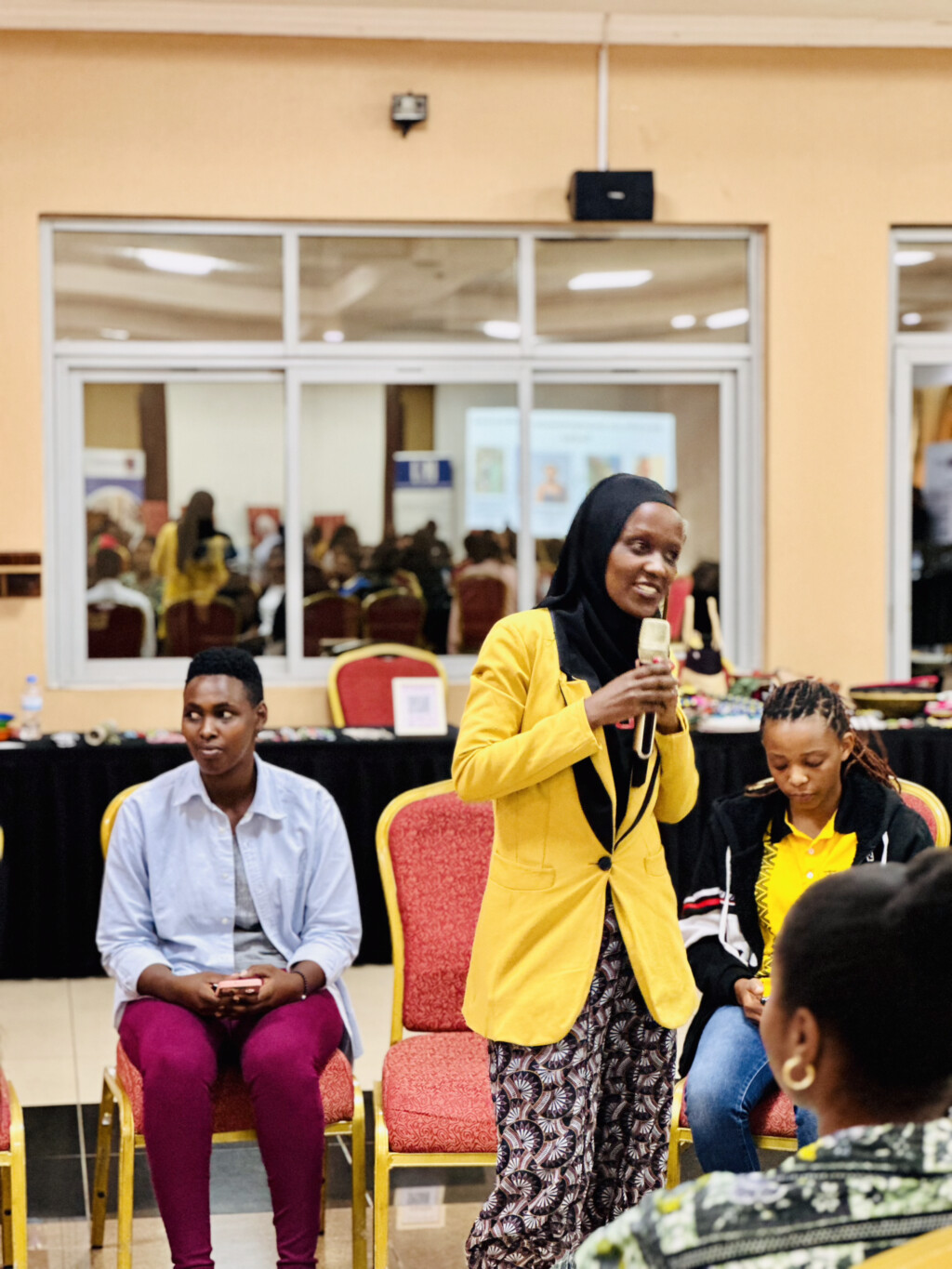
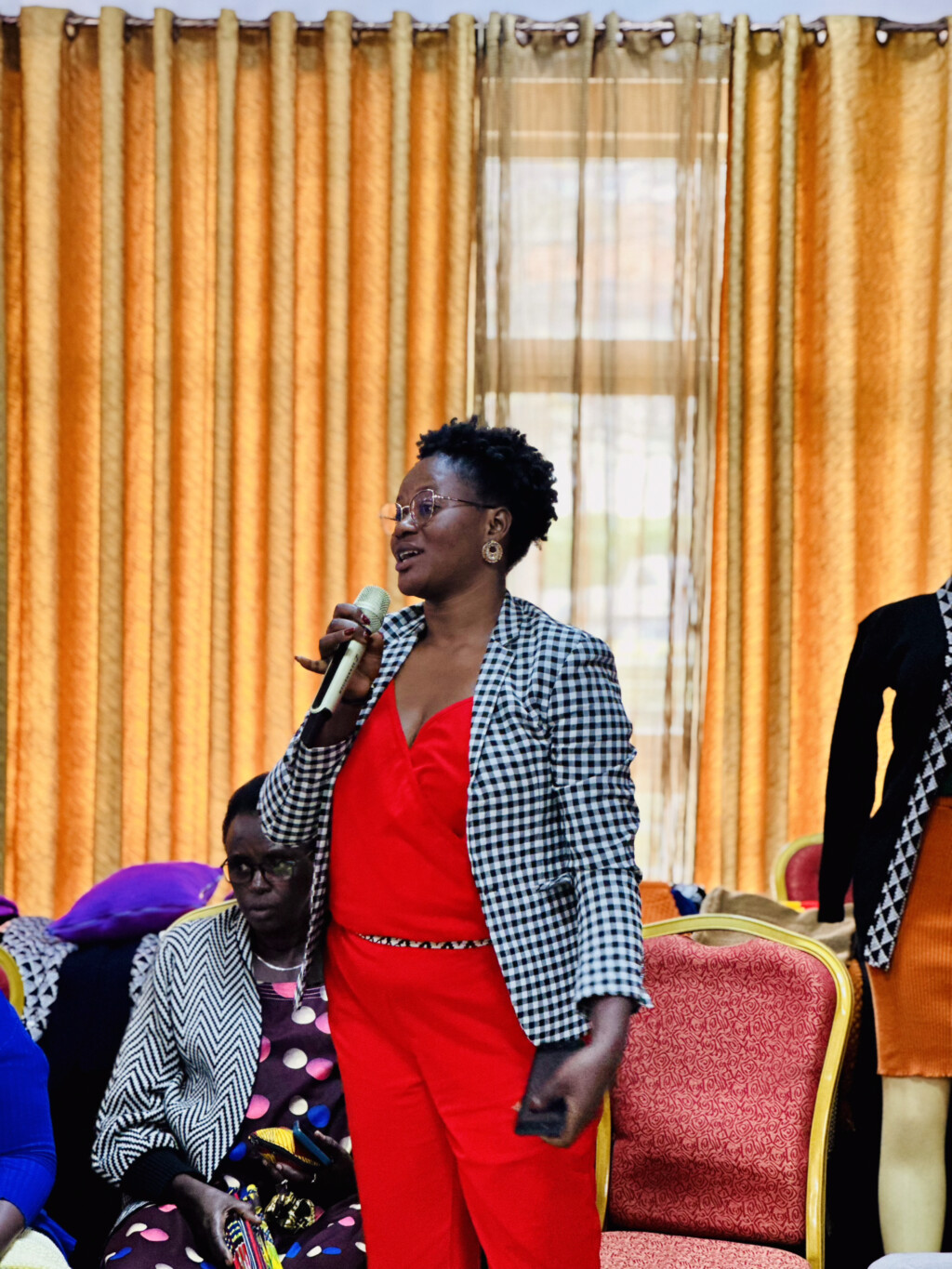
Together with the Duterimbere team and a fellow CECI volunteer, we chose to move beyond traditional training sessions. We co-designed a workshop on innovation and project development for women and youth. This training became a gateway for better understanding their realities: digital skills, self-confidence, mental health, career aspirations — but also tensions within couples.
From these exchanges, we carried out a collective analysis with Duterimbere staff. A set of priority challenges emerged, which we ranked according to urgency and transformational potential. This work gave rise to two flagship initiatives:
- Vuga–Duterimbere (Speak – To Grow) — focused on mental well-being, couple communication, and non-violent conflict resolution as levers for empowerment and economic development.
- Imenye–Uterimbere (Know Yourself – To Grow) — centered on youth, sexual and reproductive health, social innovation, and responsible digital practices to support socio-economic inclusion.
These projects were integrated into Duterimbere’s strategic priorities and opened up space to address finances, mental health, marital relationships, professional aspirations, and even climate issues — all within one dialogue.
A Turning-Point Workshop: When Couples Begin to Talk
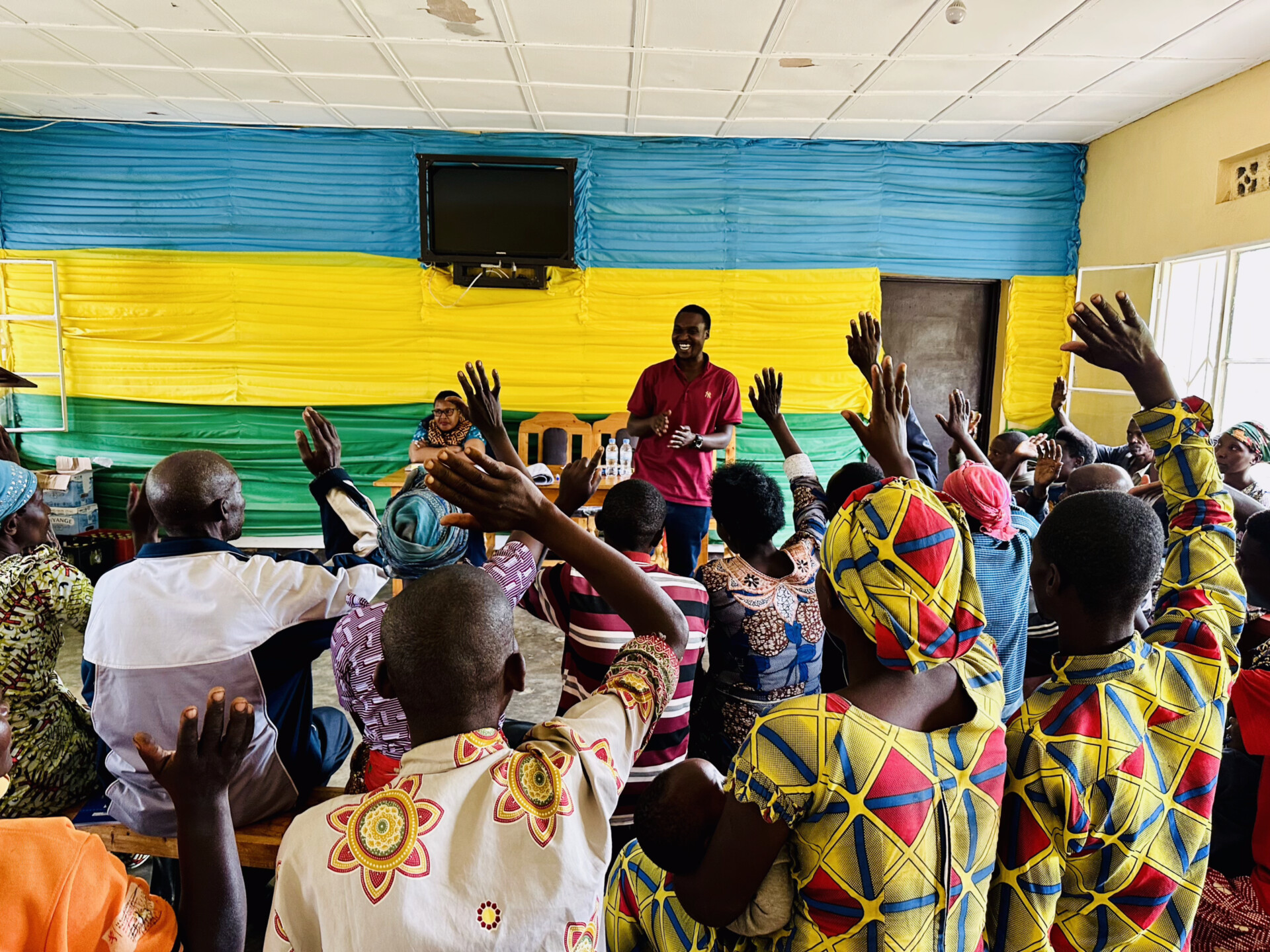
The most powerful moment of my mandate remains a co-facilitated workshop in Rulindo with couples aged 30 to 65. The topic was both sensitive and necessary: marital well-being, positive masculinity, and family development.
At first, the mood was reserved. The men sat with arms crossed; the women stayed quietly in the background. Then the first voices were heard. A man shared that he had never learned to speak about his emotions — that he had always been taught “a man does not complain.” A woman explained how she carried the burden of household work, childcare, and sometimes income-generating activities, without always being able to discuss these realities with her husband.
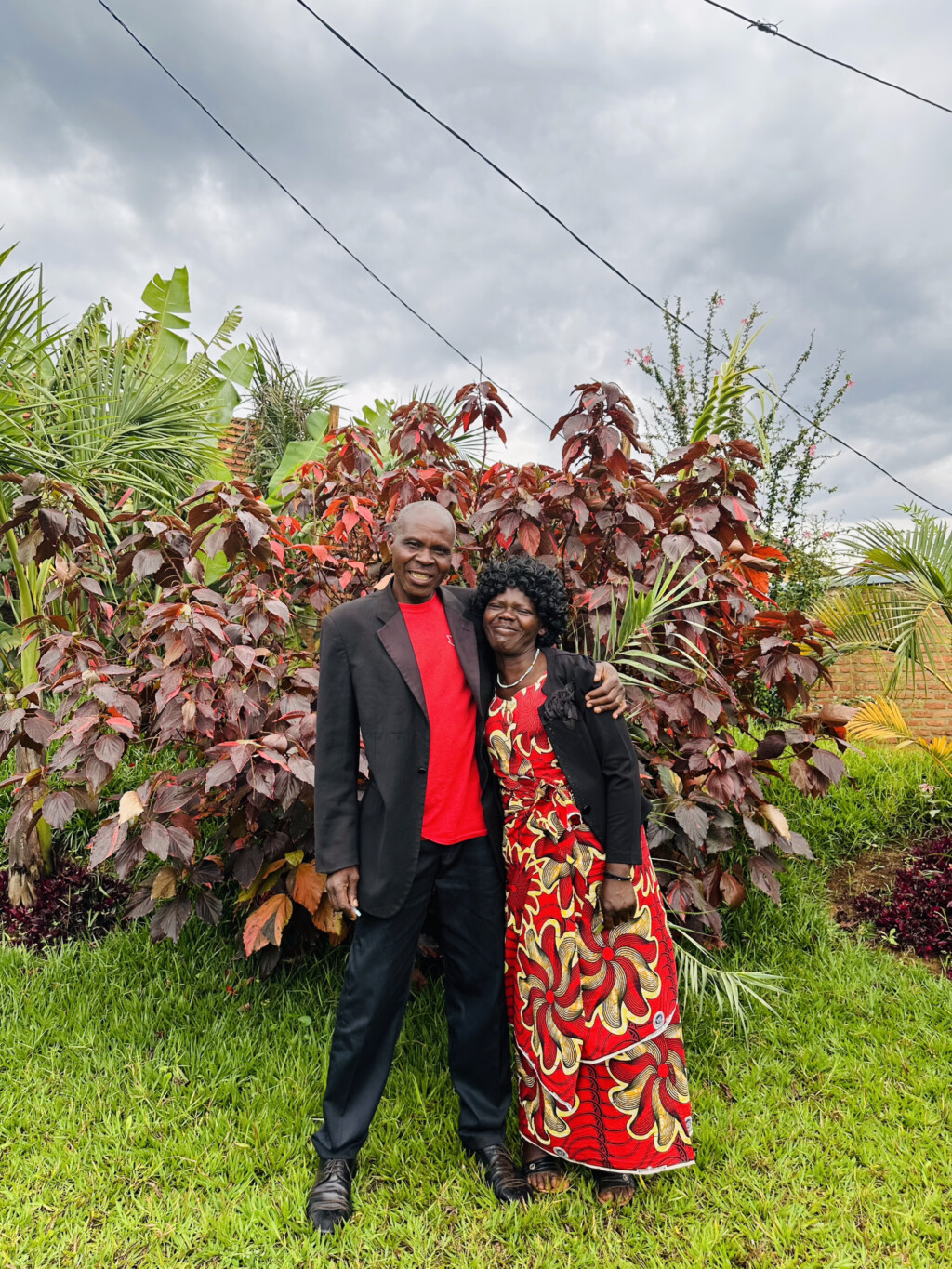
Shy smiles soon gave way to deep and honest conversations. Couples spoke — sometimes for the first time — about sharing responsibilities, supporting one another, and what a respectful relationship meant to them.
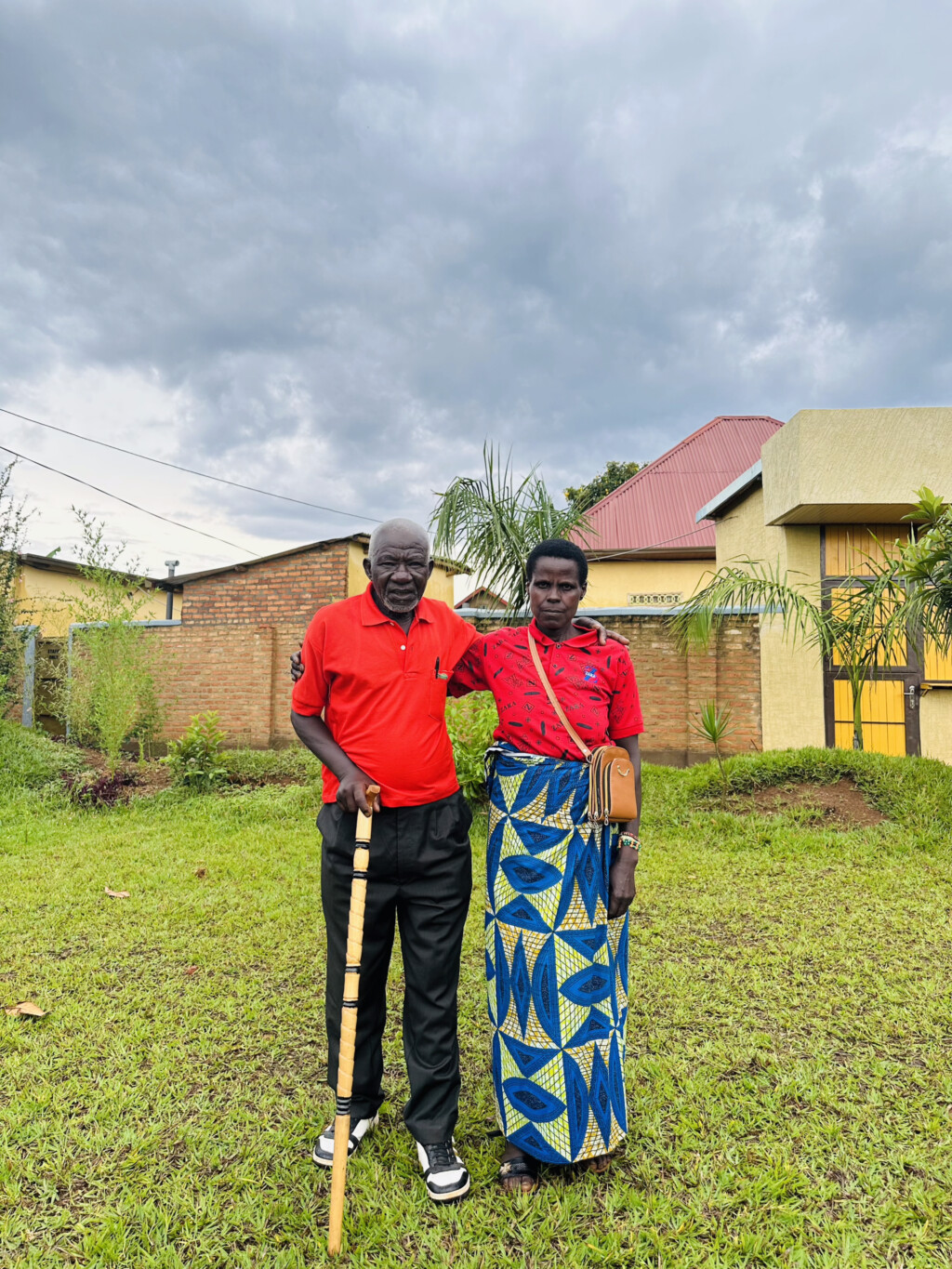
During another training session in Karongi on gender equality and women’s entrepreneurship, I documented couples’ testimonies, particularly from women in community savings groups. Some described tensions, even violence, that directly hindered their economic autonomy. Yet many also spoke of changes already underway:
Men shared how they were becoming more involved in domestic work to free up time for their wives. Women explained that they felt more confident launching projects because they now had their partners’ support.
That day, I truly understood what concepts like “positive masculinity” and “gender equality” mean in everyday life. They are not just theoretical frameworks; they are real conversations, everyday decisions, and compromises made at home, around the dinner table, while discussing household finances or children’s dreams.
A Shared Transformation: Women, the Organization, and the Volunteer
The impacts of these initiatives were felt on several levels.
For participating women and men, the workshops created spaces for dialogue that had not always existed before. Quiet shifts began to occur: more balanced sharing of domestic work, deeper listening, and stronger support for women’s economic initiatives. For women, this translated into greater self-confidence, increased freedom to act entrepreneurially, and stronger recognition within their families and communities.
For Duterimbere NGO, the trainings, collected stories, and co-created projects strengthened both the effectiveness of its interventions and its ability to communicate impact. The testimonies and data gathered are now used to refine programming and to enhance external communications, particularly on social media, by highlighting the strength of engaged women and couples.
For me personally, this experience was transformative. I learned to work through lived stories, to listen before proposing, and to recognize that those directly concerned are not merely “beneficiaries,” but true experts of their own realities. I came to understand that gender equality is built within the small details of daily life as much as through public policy.
This mandate reinforced my belief that lasting change always emerges from co-creation — when women, men, local organizations, and volunteers work together to develop solutions to complex challenges.
What the Women of the Land of a Thousand Hills Taught Me
As I left Rwanda, part of me stayed behind — in those laughter-filled savings groups and in workshops where couples dared to say, “We want to do things differently.”
The women I met taught me dignity in adversity, the strength of solidarity, and the power of every word spoken when sharing one’s story. They reminded me that economic empowerment is not only about income — it is also about being heard, respected, and supported in one’s choices.
If I were to sum up this journey in a single message, it would be this:
Give women a voice and you will hear a revolution.
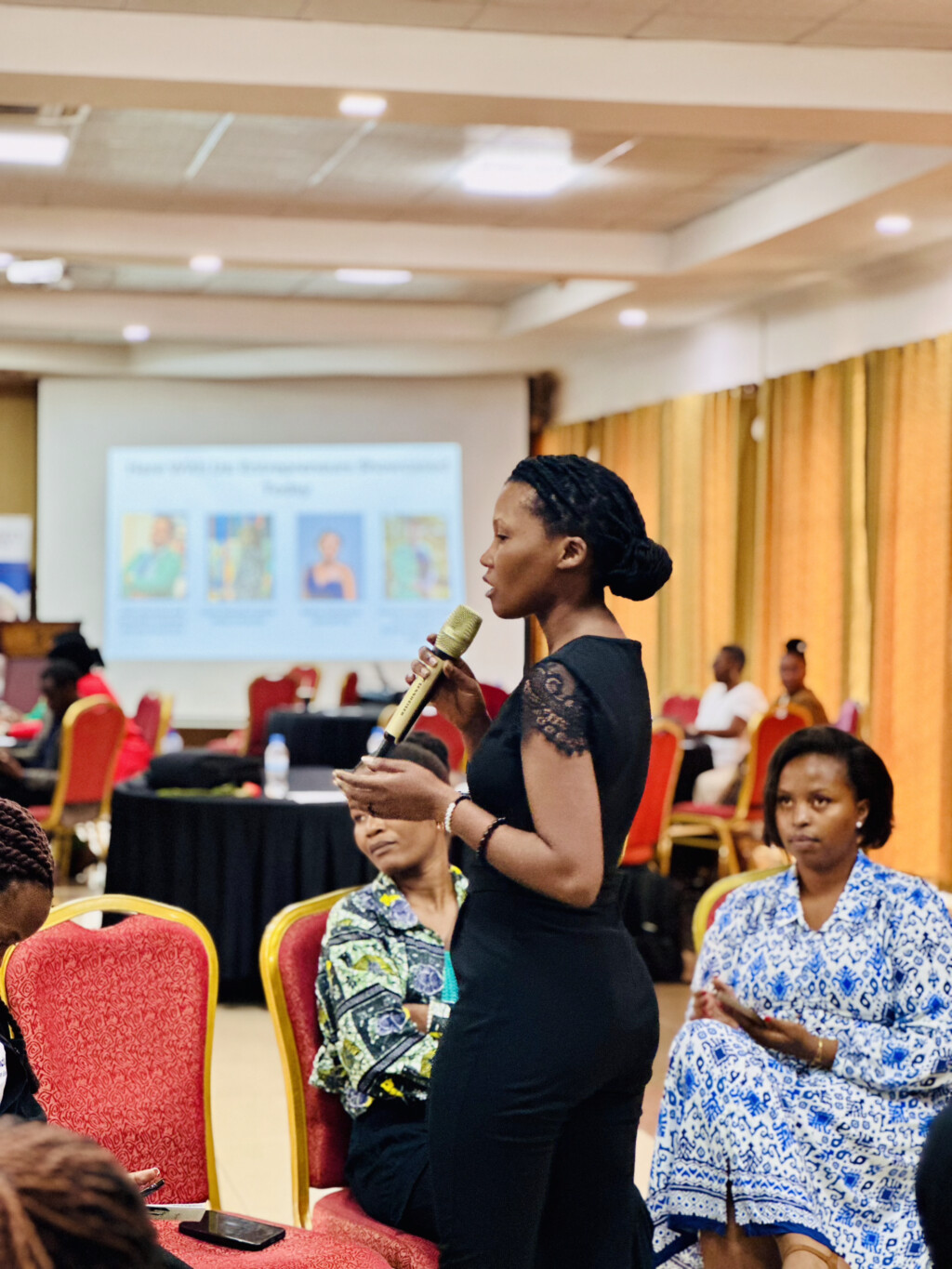
Give them the microphone and the stage, and entire communities will rise.
Our partners
Thank you to our financial and implementation partners, without whom this project would not be possible. CECI's volunteer cooperation program is carried out in partnership with the Government of Canada.