International Women's Rights Day: We Will Not Back Down!
Women's rights are a matter of social justice, beyond political processes alone. It is time to strengthen actions, build on shared experiences and lessons learned, and bring new momentum to the struggle.
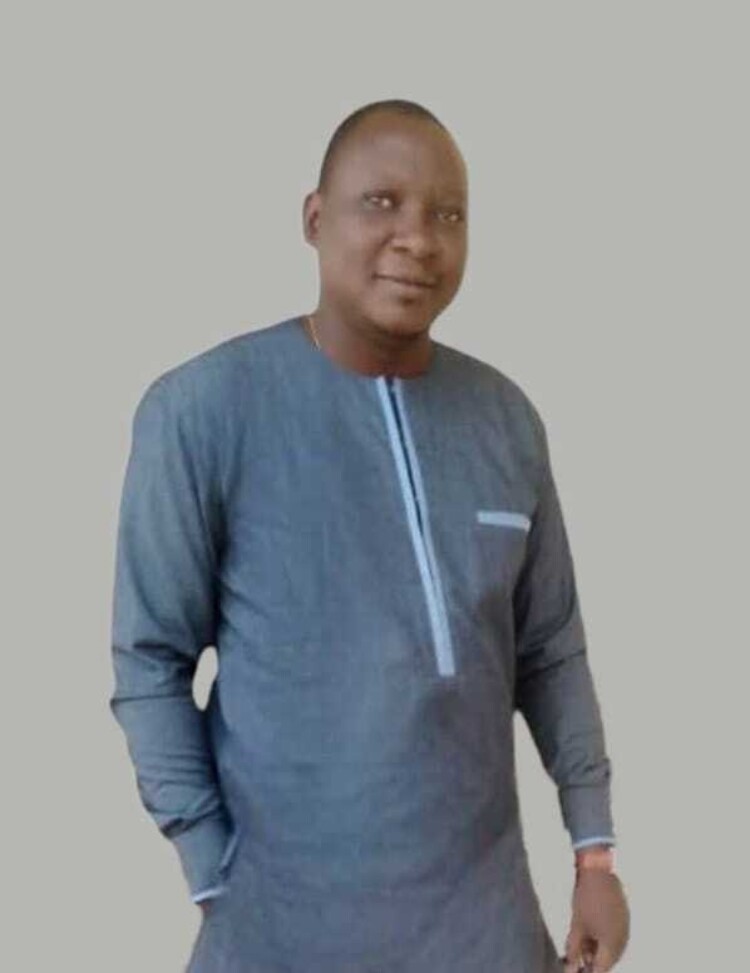
Article written by Koffi Serge Zohou, on a volunteer mandate for the FIERES project.
This March 8, 2026, International Women's and Girls' Rights Day will be celebrated under the theme "Rights. Justice. Action." As part of this event, millions of people will be mobilized to raise awareness, educate, and act for women's rights around the world.
Whether through workshop conferences, sharing forums, or other participatory actions, the content will follow the same classic structure: a stock-taking of progress made in recent years, the challenges that remain, and strategies to continue the fight against sexist discrimination.
As much as we must raise our voices, we must also strengthen strategies and actions to genuinely break codes and deconstruct prejudices, in order to pave the way for a more equal society between women and men.
Over the past ten years, the advances observed in the promotion of women's rights can be attributed to two key strategies: the economic and social empowerment of women, and women's participation in public decision-making spheres. The results are encouraging and have allowed many women to change their stories and look to the future with optimism, in communities where they can now play their part alongside men.
CECI and the Paul Gérin-Lajoie Foundation have prioritized this approach across their various areas of intervention around the world to support women's organizations.
In sub-Saharan Africa, testimonies and accounts collected from women and girls in Mali, Benin, Burkina Faso, Niger, Guinea Conakry, and the DRC have shown positive impacts and significant changes in their lives.
From strengthening women's economic power to free them from financial dependence, to income-generating activities, capacity-building and education-training for social engagement in their communities, and support for resilient adaptation to climate change, CECI and the Paul Gérin-Lajoie Foundation have accompanied thousands of women in changing their daily lives.
In Benin, the president of an association of more than 800 women rice steamers stated: "Before, we couldn't produce large quantities of rice, but with the changes that have been made, we now get large quantities and the women earn much more, which changes their lives."
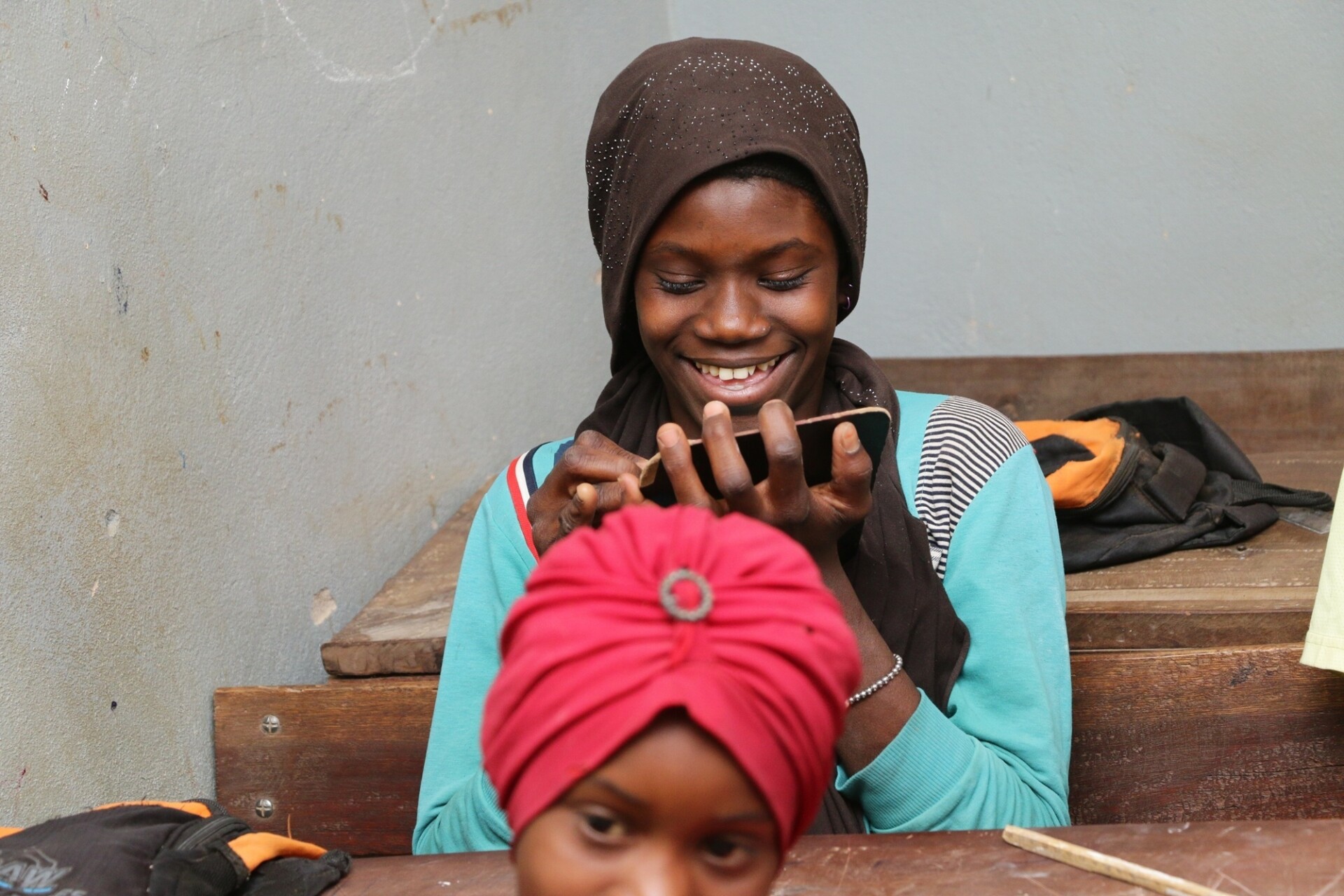
In Mali, through the FIERES project (Filles et éducation résilientes — Resilient Girls and Education), funded by Global Affairs Canada and implemented by the Paul Gérin-Lajoie Foundation and CECI with its Malian partners, Fatoumata, a 13-year-old girl who was able to go to school thanks to the project, observed: "Going to school means preparing for a better future, now and for the future. It means building my personality so I can help my parents, my community, and even my country."
Ms. Aicha, a school principal in Guinea Conakry, shared: "Today, the young girls who have been trained are launching businesses in sectors dominated by men. The project allowed me to be independent, to be a role model for young girls... CECI's strength is that it takes gender into account."
In the DRC, the Femmes en action project, funded by Global Affairs Canada and led by the Paul Gérin-Lajoie Foundation in partnership with the Jane Goodall Institute-DRC, the Pilier aux femmes vulnérables actives (PIFEVA), the Coalition des femmes leaders pour l'environnement et le développement durable (CFLEDD), and the Diobass and Caritas Goma platforms, strengthened the empowerment of women and girls, their adaptation to climate change, and the protection of the forest.
These testimonies illustrate that resolving gender inequality, beyond political processes, also requires close support for women, the integration of gender across all areas, and mentoring to nurture their leadership and encourage them to engage in their community's development. They have the capacity, competence, and talent — every bit as much as men — to build a safer and more inclusive world.
"There is no limit to what we can accomplish as women," said Michelle Obama.