Ongoing project
Agriculture, Fisheries Productivity and Rural Market Access Infrastructure Support Program - Farmer Field Schools (PAPAIR CEP project)
March 2025 – March 2027
Inter-American Development Bank (IDB) and the Global Agriculture and Food Security Program (GAFSP)
SOCODEVI, UPA DI
Departmental Directorates and Communal Agricultural Offices in the project intervention areas
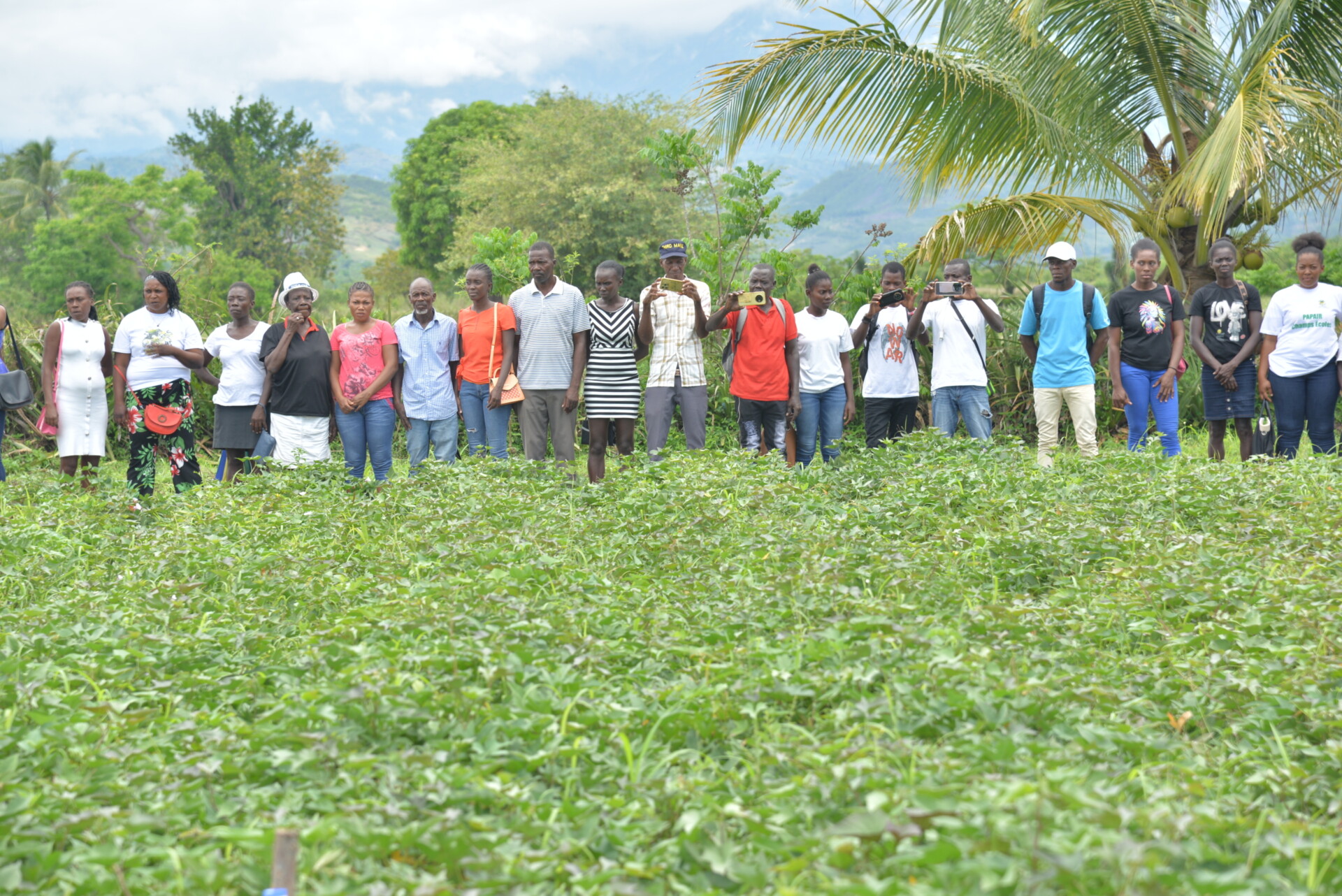
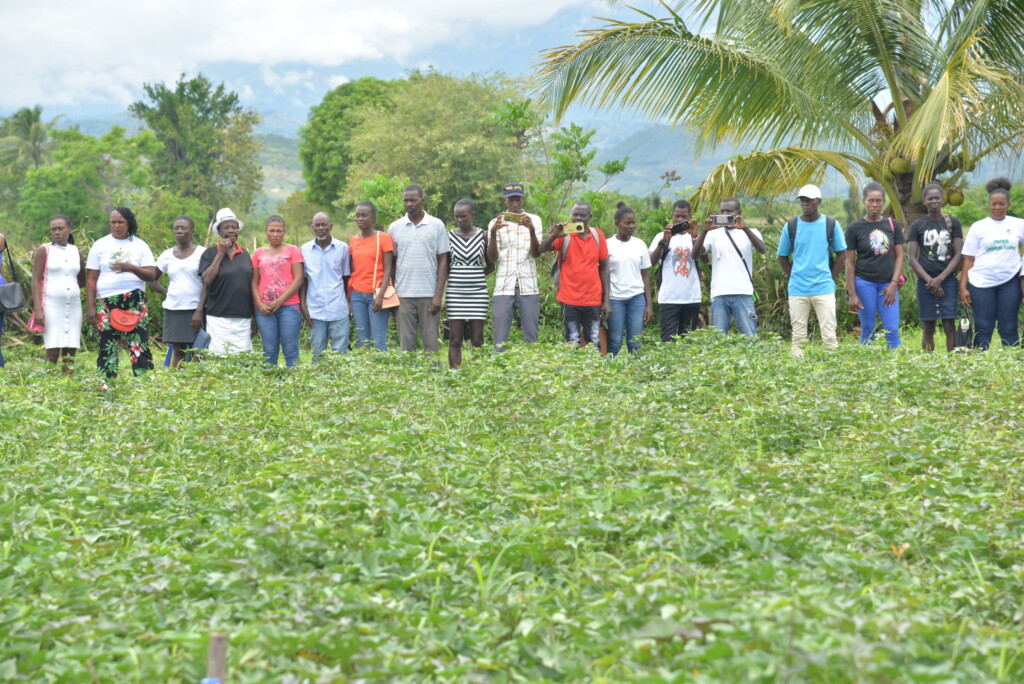
Under this component of the PAPAIR program, technology packages are promoted through Farmer Field Schools, which focus on agricultural production, and Farmer Business Schools, which focus on entrepreneurship. Together, they strengthen farm management practices and improve producers' integration into local and international markets.
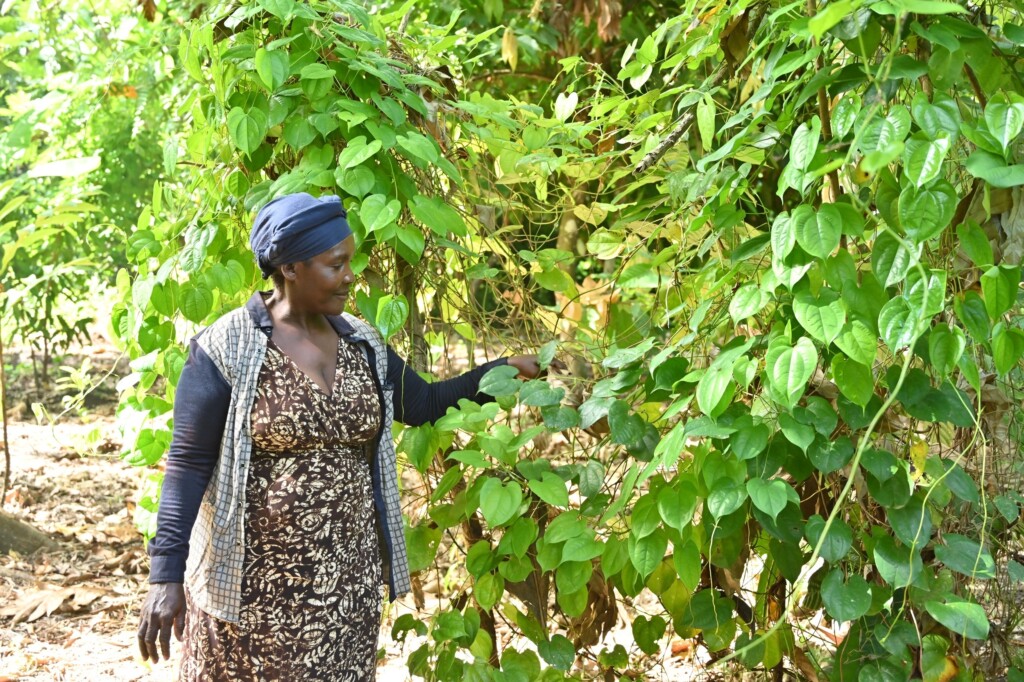
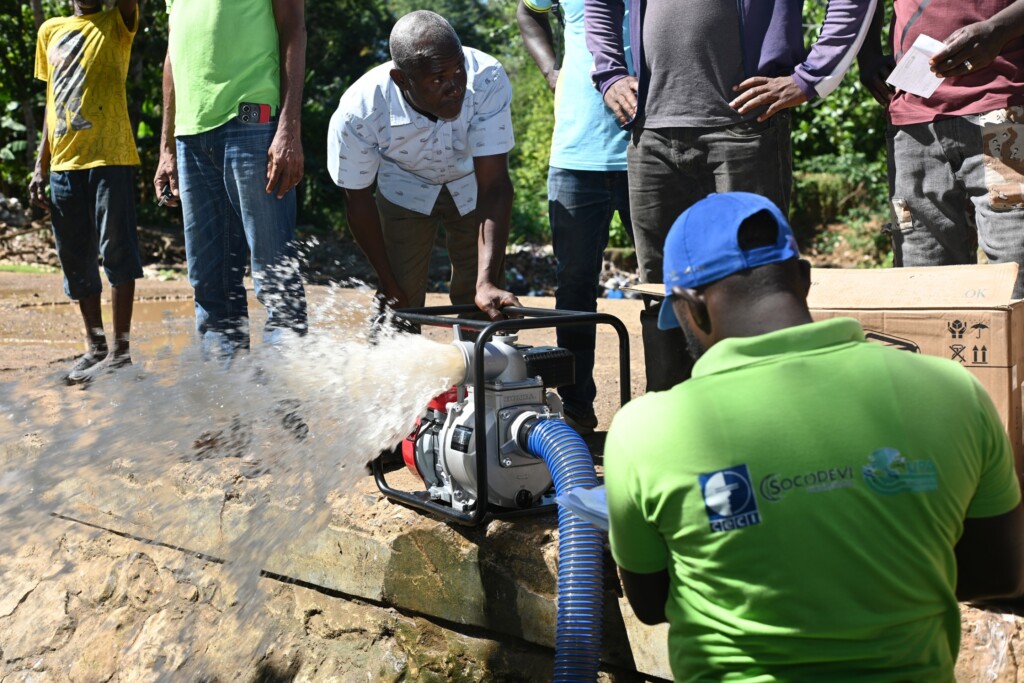
Financial incentives enable farmers to purchase goods and services from accredited suppliers to adopt technical packages that increase incomes while protecting soil and water resources. These technologies include annual crops (rice, maize, beans, sweet potatoes, yams, ginger and vegetables), agroforestry systems (Creole gardens, coffee, cocoa and beekeeping), and agricultural equipment (irrigation pumps, water tanks, animal traction equipment and mills).
Context
Food insecurity in Haiti
The Haitian population faces very high levels of food insecurity and malnutrition. Rising fuel and staple food prices, the volatility of the Haitian gourde, sociopolitical unrest, deteriorating security conditions (including increased gang violence and roadblocks), and declining agricultural production due to irregular rainfall have significantly reduced access to food for the poorest households.
According to the Integrated Food Security Phase Classification (IPC), an estimated 4.4 million people (44% of the population) were experiencing crisis-level or worse food insecurity (IPC Phase 3 or higher) in September 2021. According to the World Food Programme (WFP), this figure rose to 4.5 million people in March 2022 as access to staple foods declined while household incomes remained low and food prices continued to increase.
Results that count
2,800
Producers (46% women) involved in and trained through 112 Farmer Field Schools
500
Producers (46% women) trained and participating in 25 Farmer Business Schools
500
Producers selected from the Farmer Field Schools trained in nutrition
150
Nutrition focal points supported to facilitate 20 Nutrition Learning Centres
Our partners
Thank you to our financial and implementation partners, without whom this project would not be possible.