Completed project
Community-Based Child Protection (PEBAC)
April 2011 to June 2013
CAD$ 384,000 (UNICEF)
Global Affairs Canada
1,531
parents
- UNICEF
- 6 ONG locales
- Services déconcentrés du Ministère de l’Éducation Nationale Ministère de la Population, de la Promotion de la Femme et de la Protection de l’Enfant
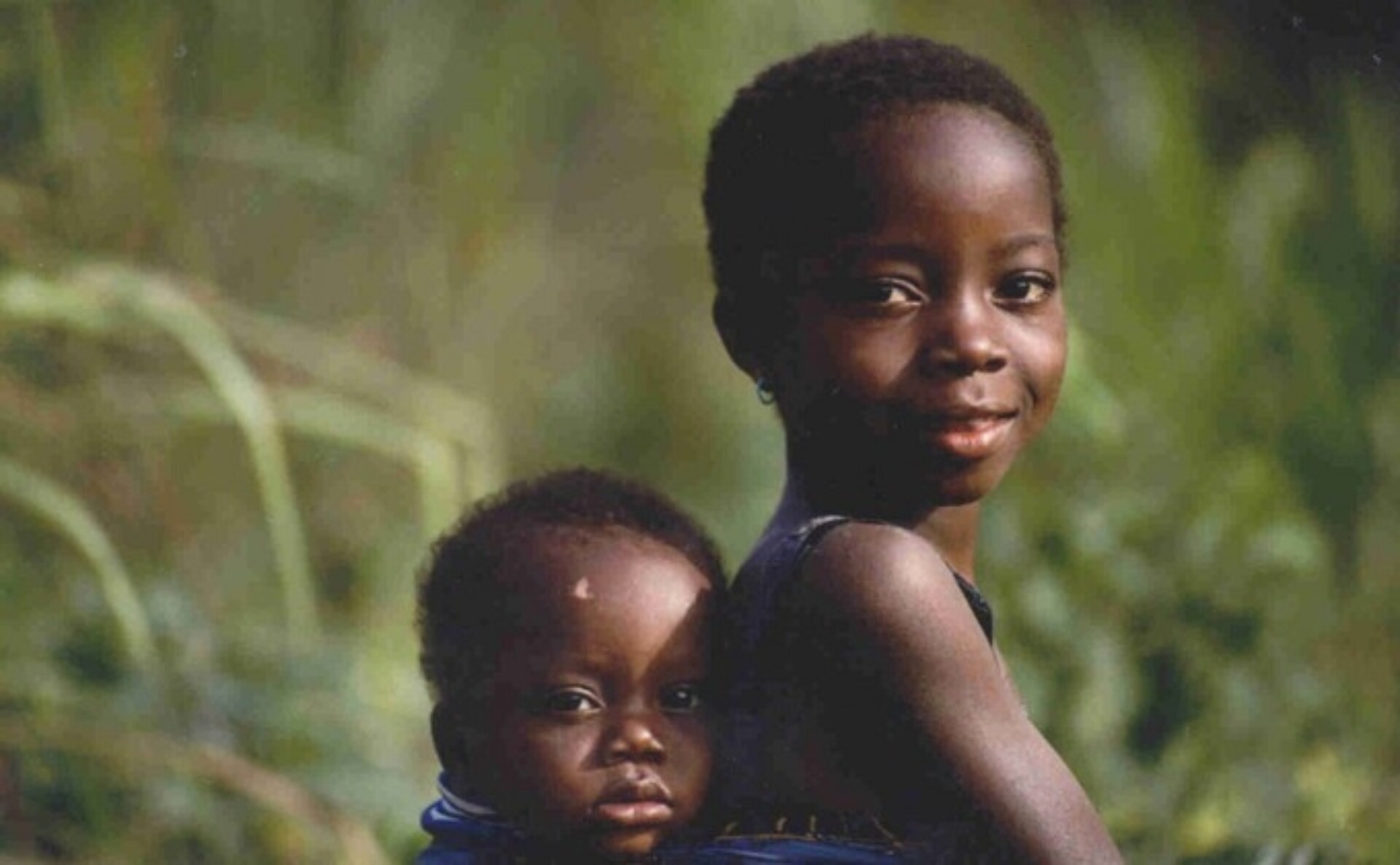
The Community-Based Child Protection project reaches out to 60 villages in four regions of Niger. For a duration of two years and financed by the UNICEF, it is implemented by CECI, in partnership with six local NGOs. It aims at protecting children against violence, exploitation and abuses and to make their rights respected.
Proud entrepreneurs
Juggling the issues of gender equality, good governance and sustainable management is a major challenge. The PAEFFR has successfully tackled it!
The project has led to a continuous improvement in the profitability and competitiveness of the women's enterprises. Their skills, particularly in accounting and financial management, have improved significantly.
The rice produced has become more competitive thanks - among other things - to production practices better adapted to climate change, which has led to a tenfold increase in the quantities sold. What's more, in mixed governance structures, women now occupy more decision-making positions and take on strategic functions, including presidency and treasury. Excellent news for the future of the industry!


Results that count
Significant increases!
50 %
increase in women's participation in UNIRIZ and CCR-B decision-making bodies
x10
increase in the volume of rice marketed between the start and end of the project
5 300
women entrepreneurs benefited from advisory and training services
532
people, including 506 rice parboilers, received literacy training
Our partners
Thank you to our financial and implementation partners, without whom this project would not be possible.


For this, it rests on the community approach, developed across a parental education project, implemented by CECI since 2007, also financed by the UNICEF. The parental education project has formed a nucleus of parents in each village, starting with all prevention and response actions, and has established a dialogue with the communities. Hence, it has served as a gateway to address questions in regard to child protection with more ease. Community mobilization and the access to community leaders have also been facilitated through this first experience.
In each village, two community leaders (a woman and a man) provide training and make the population aware of the concepts and protection issues, as well as the prevention techniques and their management. More than 1,500 parents (out of which 58% are women) and more than 1,000 children have thus received training.
Each village is equipped with a village committee for child protection as well as a committee for children, which helps form a group of defenders of children’s causes. Subjects that were considered taboo till now (such as early marriages and the trafficking of Talibé children) are now the subject of debate and dialogue within communities. The attitudes and behaviour of communities are more and more in favour of children’s well-being.