News
Women’s Economic Empowerment: Launch of the National Technical Committee for the “Making Trade Work for Women in West Africa” Project
October 7, 2026A National Technical Committee established under the Making Trade Work for Women in West Africa (MTWW) project was officially launched in Cotonou to strengthen coordination among stakeholders working toward more inclusive regional trade that better supports women. This first session provided an opportunity to reaffirm the project's ambitions for women’s economic empowerment in the region, present progress achieved in Benin, and define the next implementation priorities.
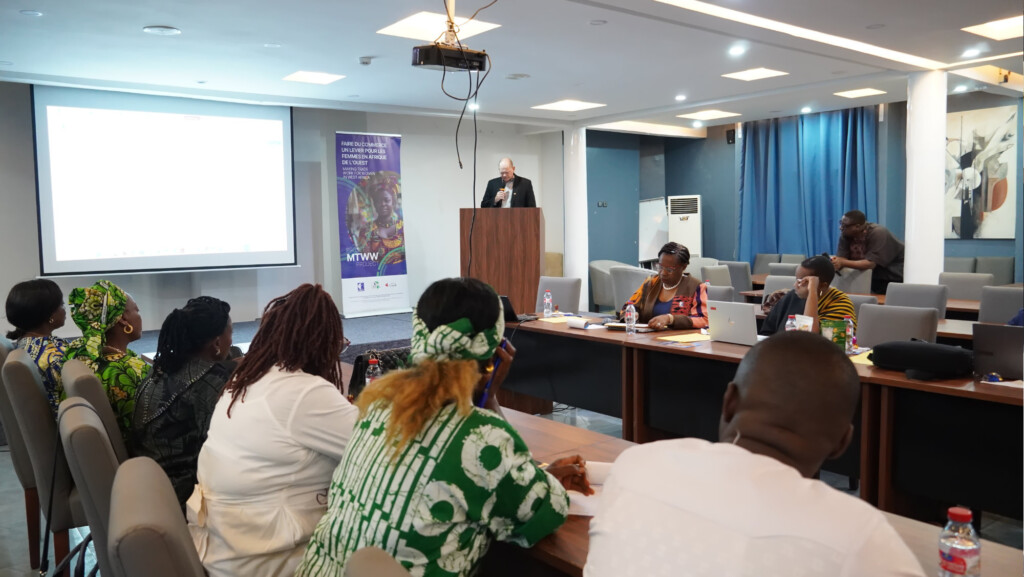
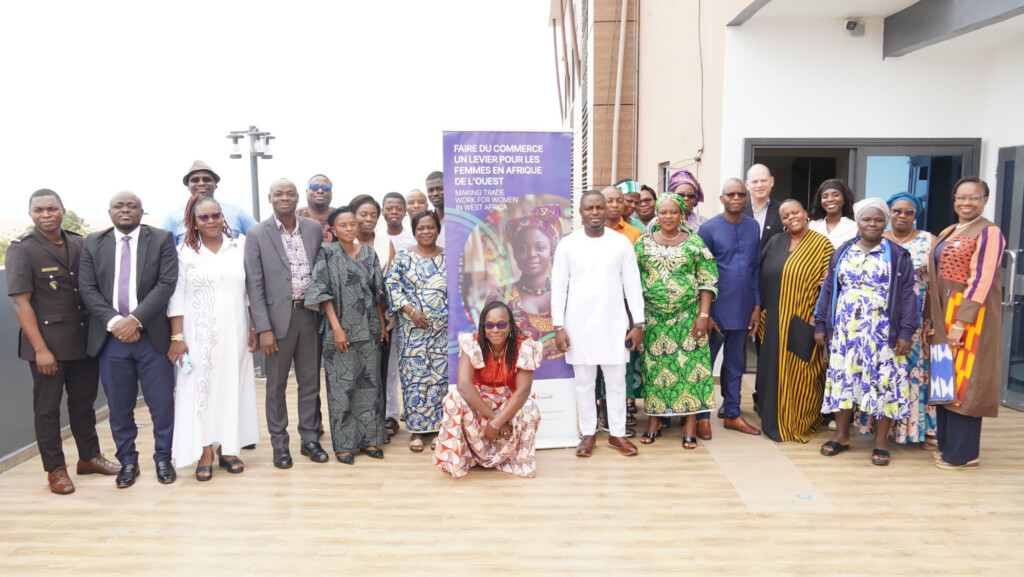
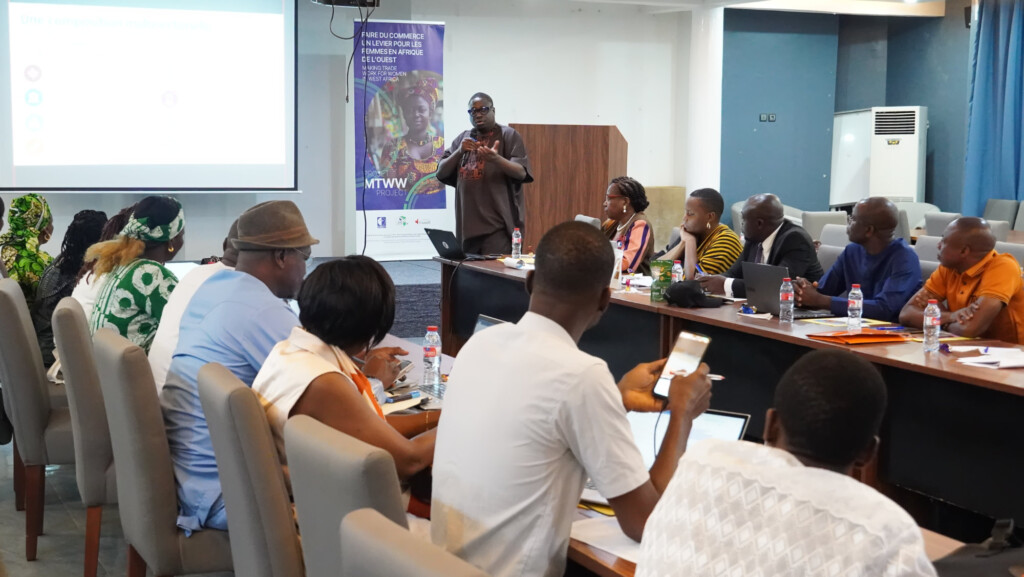
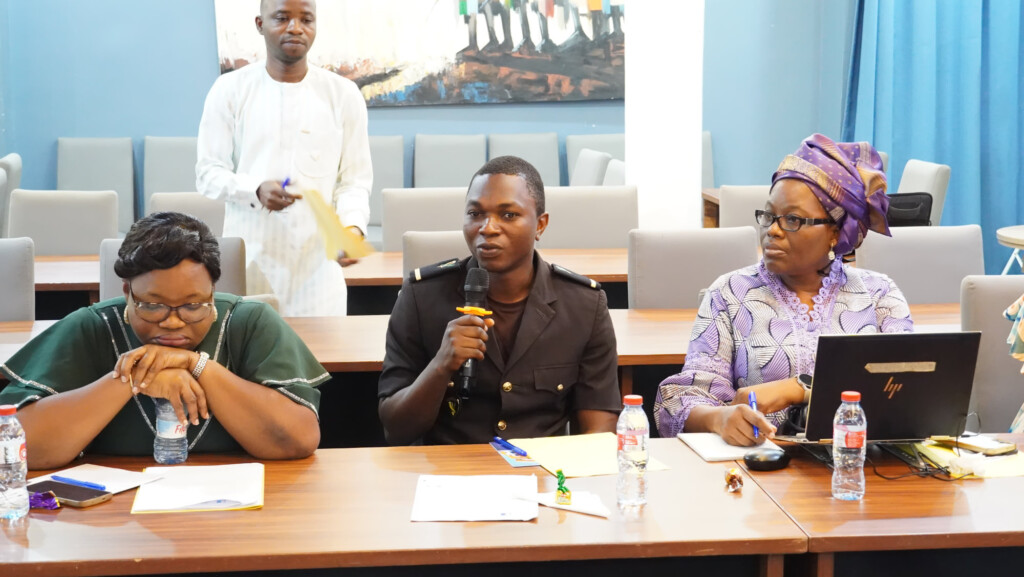
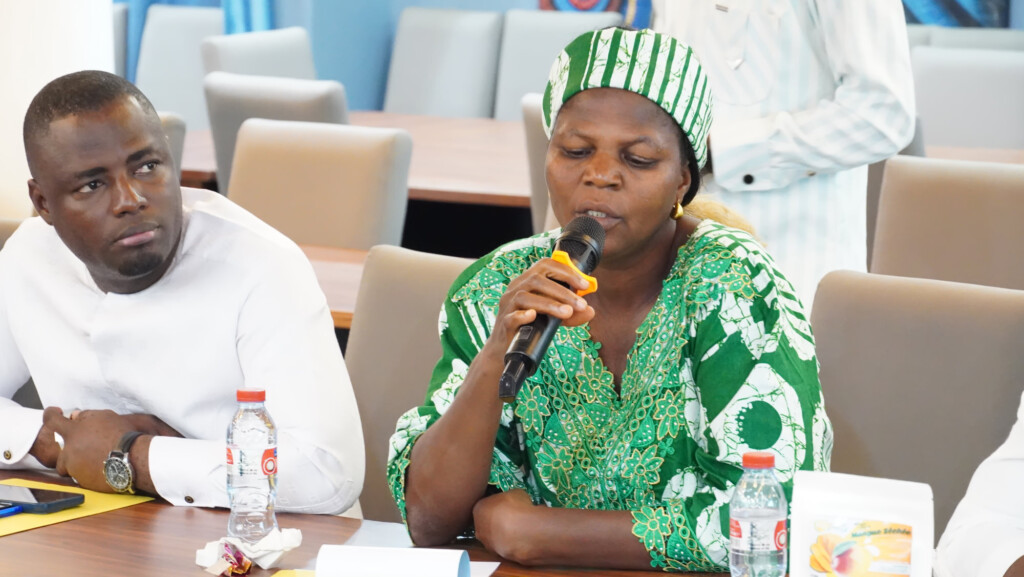
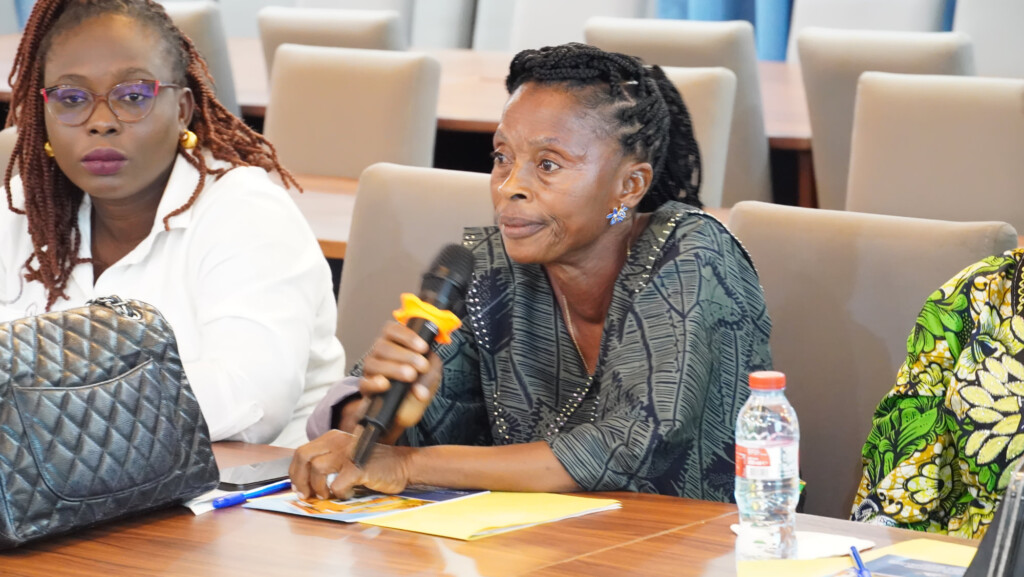
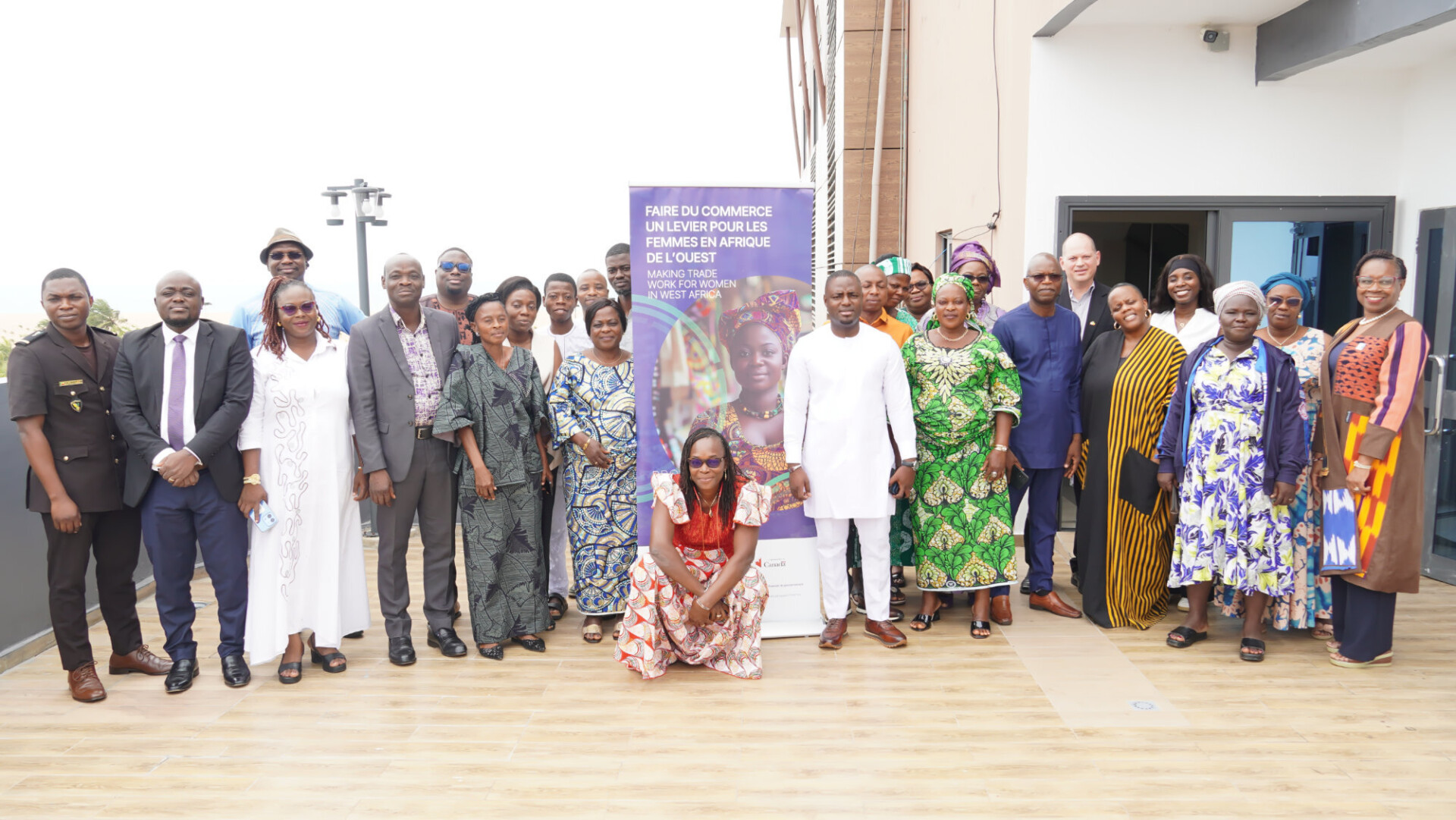
The inaugural session of the National Technical Committee was held on September 29, 2026, at Hôtel La Casa Cielo in Cotonou. It brought together representatives from public administrations, technical and financial partners, professional organizations, and women engaged in trade.
In her welcome remarks, Esther Djego, Country Representative of the Centre for International Studies and Cooperation (CECI), emphasized that the committee was created to strengthen dialogue among stakeholders and improve coordination of interventions aimed at promoting more inclusive cross-border trade.
A Canadian Commitment to Economic Inclusion
Funded by Global Affairs Canada over a six-year period, the MTWW project is implemented by CECI, TradeMark Africa (TMA), and their partners. The initiative seeks to address the key barriers limiting women's participation in regional trade, including access to information, business formalization, standards and certification, financing, business support services, and trade facilitation at border crossings.
Marc Leblanc, First Secretary for Cooperation at the Embassy of Canada, highlighted the strategic importance of this commitment:
A Regional Vision to Transform Women's Trade Opportunities
Presenting the project’s regional vision, Halima Ouattara, CECI Regional Coordinator, noted that MTWW operates in six countries (Benin, Burkina Faso, Côte d’Ivoire, Ghana, Nigeria, and Togo) and along two trade corridors: Abidjan–Lagos and Tema–Ouagadougou. The project addresses border conditions, trade policies and mechanisms, as well as value chains, to create a safer, more accessible, and more supportive trading environment for women. Across the region, it aims to improve the economic conditions of nearly 80,000 women by strengthening their access to markets, financial services, and opportunities generated through regional trade.
Concrete Objectives for Benin
In Benin, the project works with 12 associations and networks of women cross-border traders, 13 lead firms operating within regional value chains, and approximately 500 border officials and stakeholders. These interventions are expected to improve the conditions for participation in regional trade for approximately 13,500 women active along the trade corridors.
Presenting the project's progress, Lionel D’Oliveira, National Project Coordinator at CECI, and Christelle Dossa, TMA Programme Manager in Benin, highlighted several achievements since implementation began. These include a gender-based violence mapping study involving 1,600 women to document barriers encountered at border crossings; strengthening the Simplified Trade Regime in collaboration with ECOWAS and WAEMU; training 37 phytosanitary inspectors on Sanitary and Phytosanitary (SPS) measures; and conducting organizational assessments of 12 women traders’ organizations and networks representing nearly 7,000 women, followed by the development of capacity-strengthening plans. Regarding market access, progress also includes a study of high-potential value chains, mapping business support services, selecting 13 lead firms in the pineapple, cassava, rice, and oilseed sectors, and planning tailored support on standards, certification, market access, and investment readiness.
Closing the session on behalf of the supervising ministry, Isidore Métonou encouraged participants to move beyond a reliance on external support and build sustainable progress:
The next session of the National Technical Committee will be organized in accordance with Global Affairs Canada’s planning and monitoring cycle. It will review the implementation of recommendations from this first session and assess progress achieved over the coming six months. During that period, activities will focus on establishing women traders’ platforms; conducting awareness-raising and advocacy initiatives with ENDA CACID and the ECOWAS Centre for Gender Development; strengthening the capacities of women’s organizations; supporting the 13 lead firms on standards, certification, market access, and investment readiness; building the capacities of border stakeholders; and continuing actions related to the Simplified Trade Regime and the prevention of gender-based violence. The next session will therefore provide an opportunity to assess results achieved, monitor progress on recommendations, and agree on priorities for the subsequent period.