News
Village Savings and Loan Associations: A Community-Driven Approach to Strengthening Financial Autonomy in Haiti
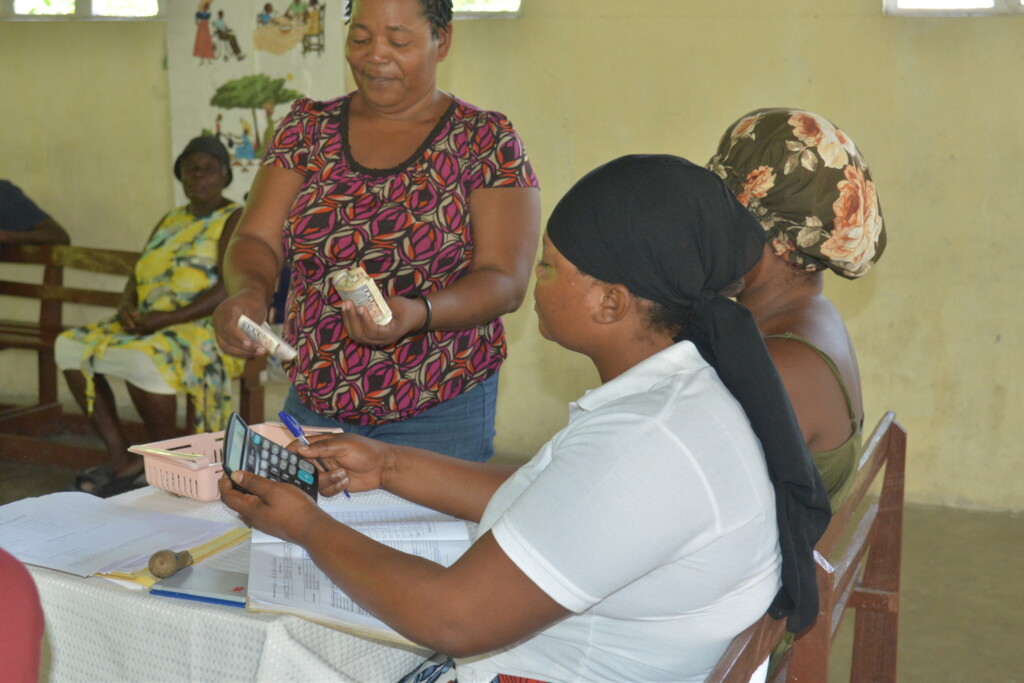
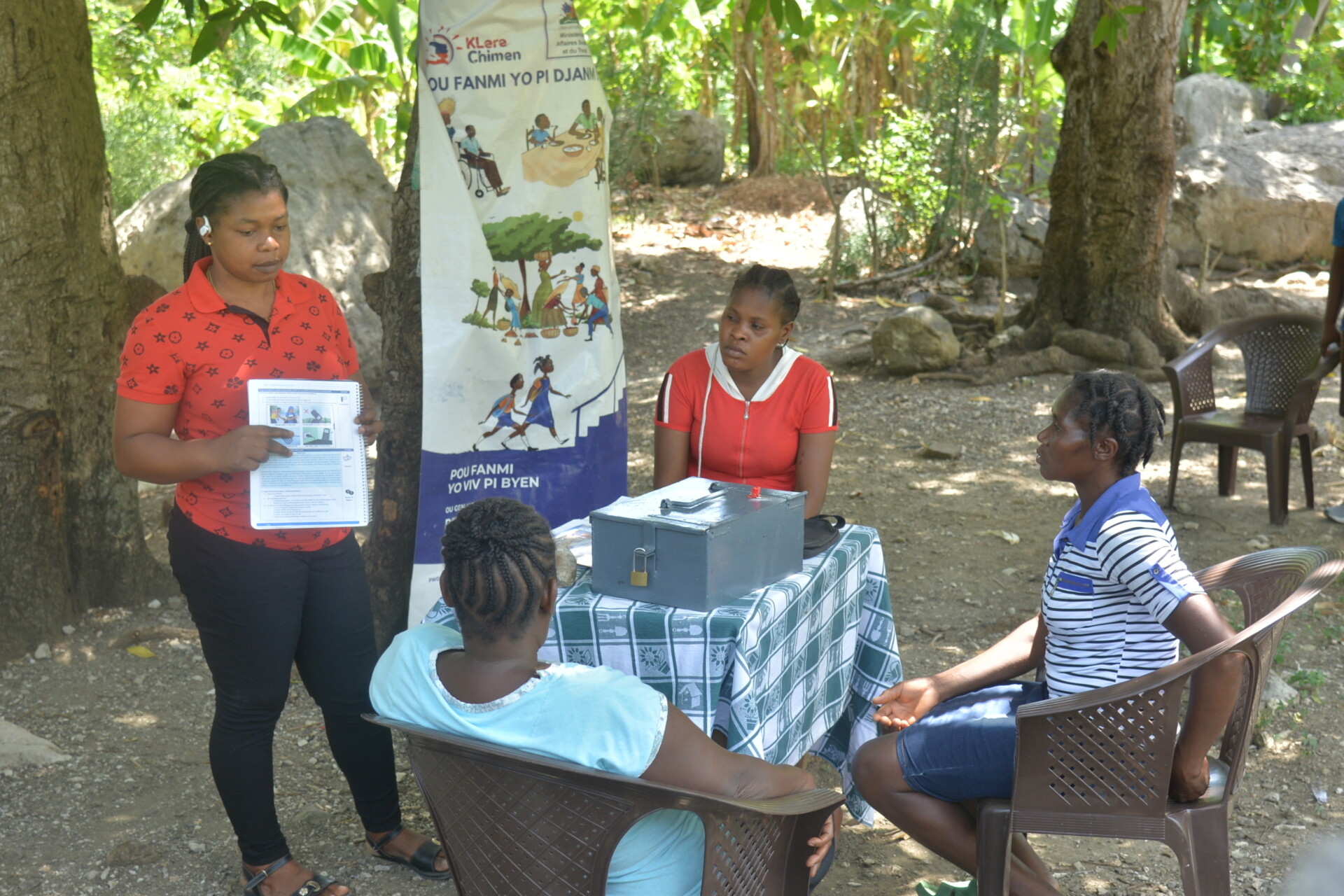
September 21, 2026In some of Haiti’s most remote communities, Village Savings and Loan Associations (VSLAs) help strengthen people’s financial autonomy and their ability to cope with unexpected challenges. Supported by the Centre for International Studies and Cooperation (CECI), this community-based financial mechanism promotes household economic resilience, particularly for women, through collective savings, mutual support, and access to financial resources tailored to local realities.
Access to Local Financial Resources
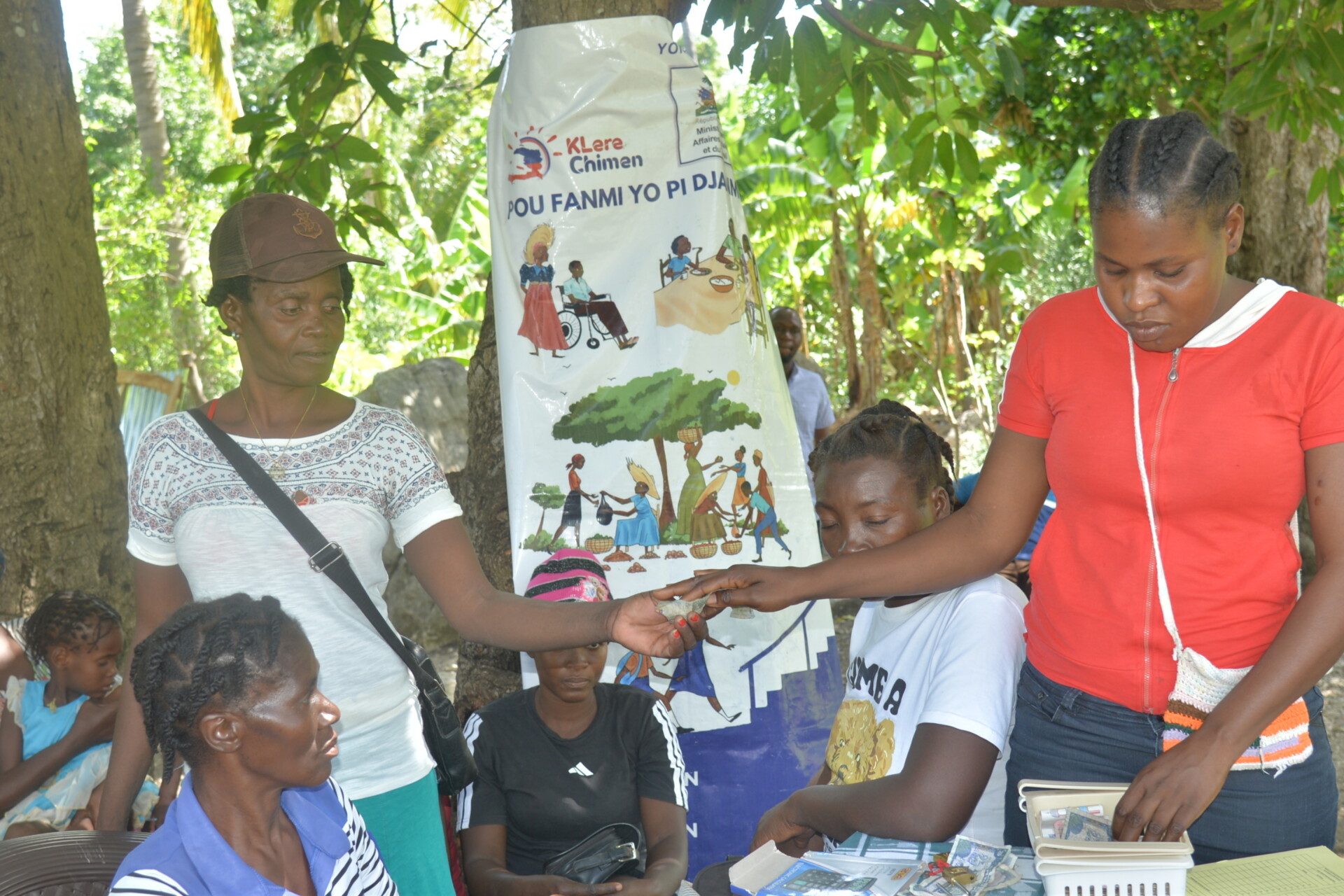
Through VSLAs, members pool their savings and can access loans to meet a variety of needs. These funds are used to finance income-generating activities, purchase agricultural inputs, pay school fees, or cover health-related expenses.
For many families, these informal mechanisms provide accessible, flexible financial solutions adapted to the specific needs of rural communities. They enable members, especially women and young people, to access financial services such as savings and credit, and sometimes even forms of informal insurance. This directly contributes to improving living conditions and strengthening members’ economic and social resilience.
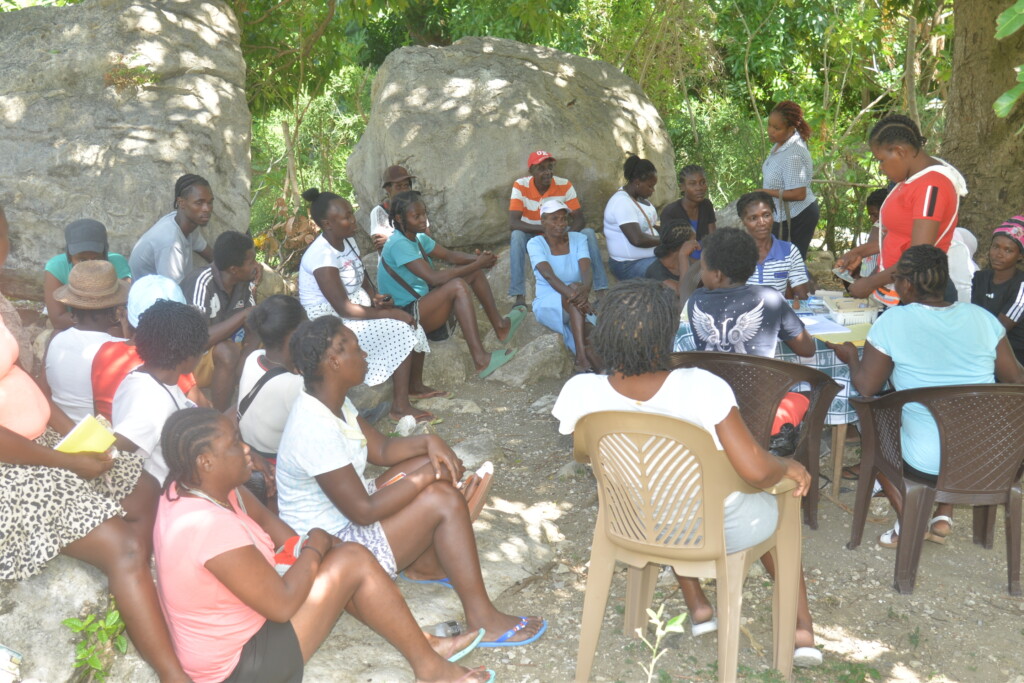
A Way to Cope with Unexpected Challenges Through Solidarity
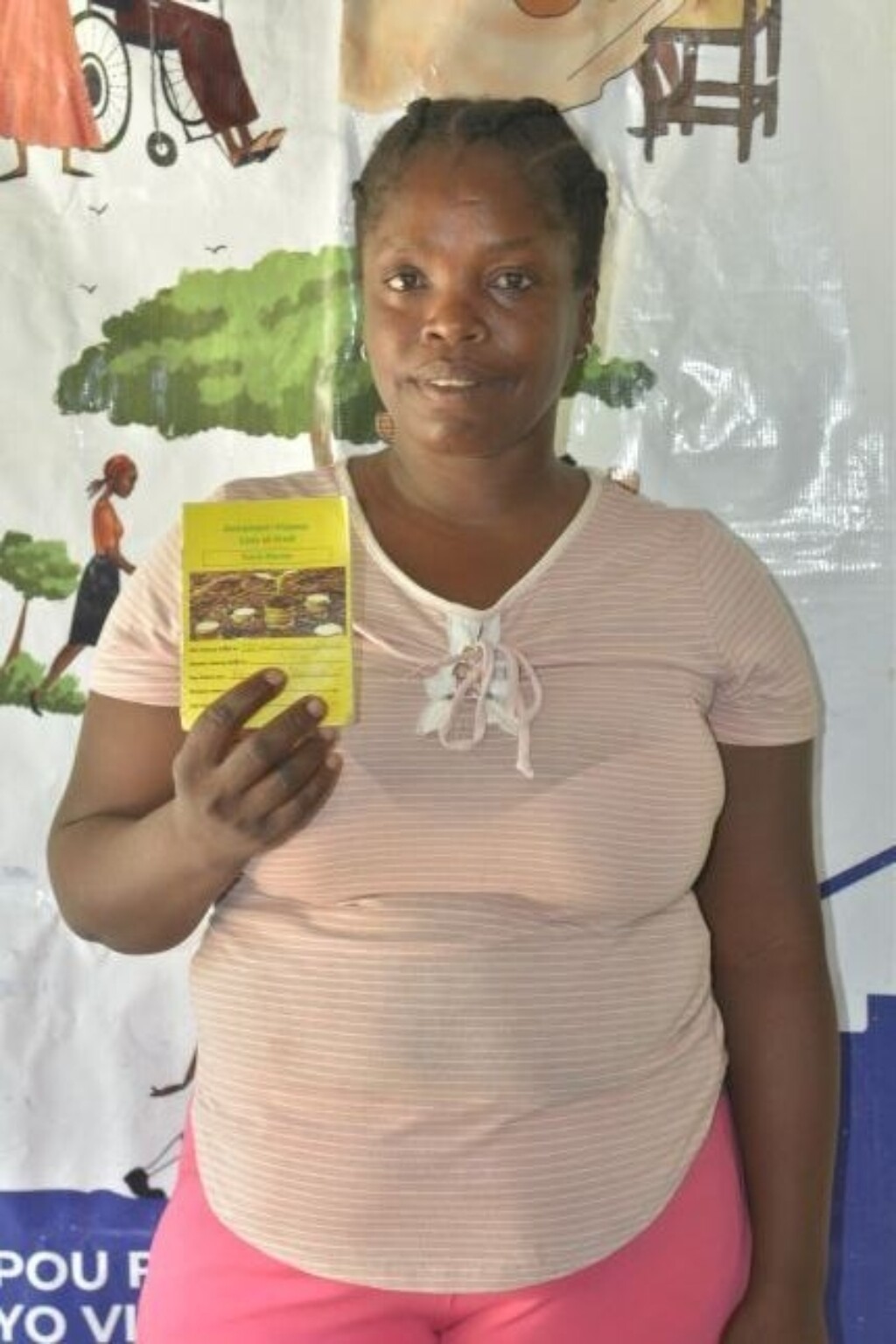
A member of the “Tèt Ansanm” VSLA group through the Klere Chimen project, implemented by WFP and CECI for the Ministry of Social Affairs and Labour (MAST) with funding from Swiss Cooperation, Renette Toussaint speaks about the tangible impact this initiative has had on her life. Her first loan of 15,000 gourdes allowed her to pay her rent. After repaying it, she obtained a second loan of 20,000 gourdes, which she planned to invest in her food business.
However, a family emergency disrupted those plans. One of her children became seriously ill and had to be hospitalized. “Thanks to this money, I was able to save my son,” she recalls.
Today, Renette says that participating in the VSLA allows her to save regularly and better anticipate household expenses. She now considers this community fund an essential resource for ensuring her children’s education and covering everyday costs.
When VSLAs Transform Lives
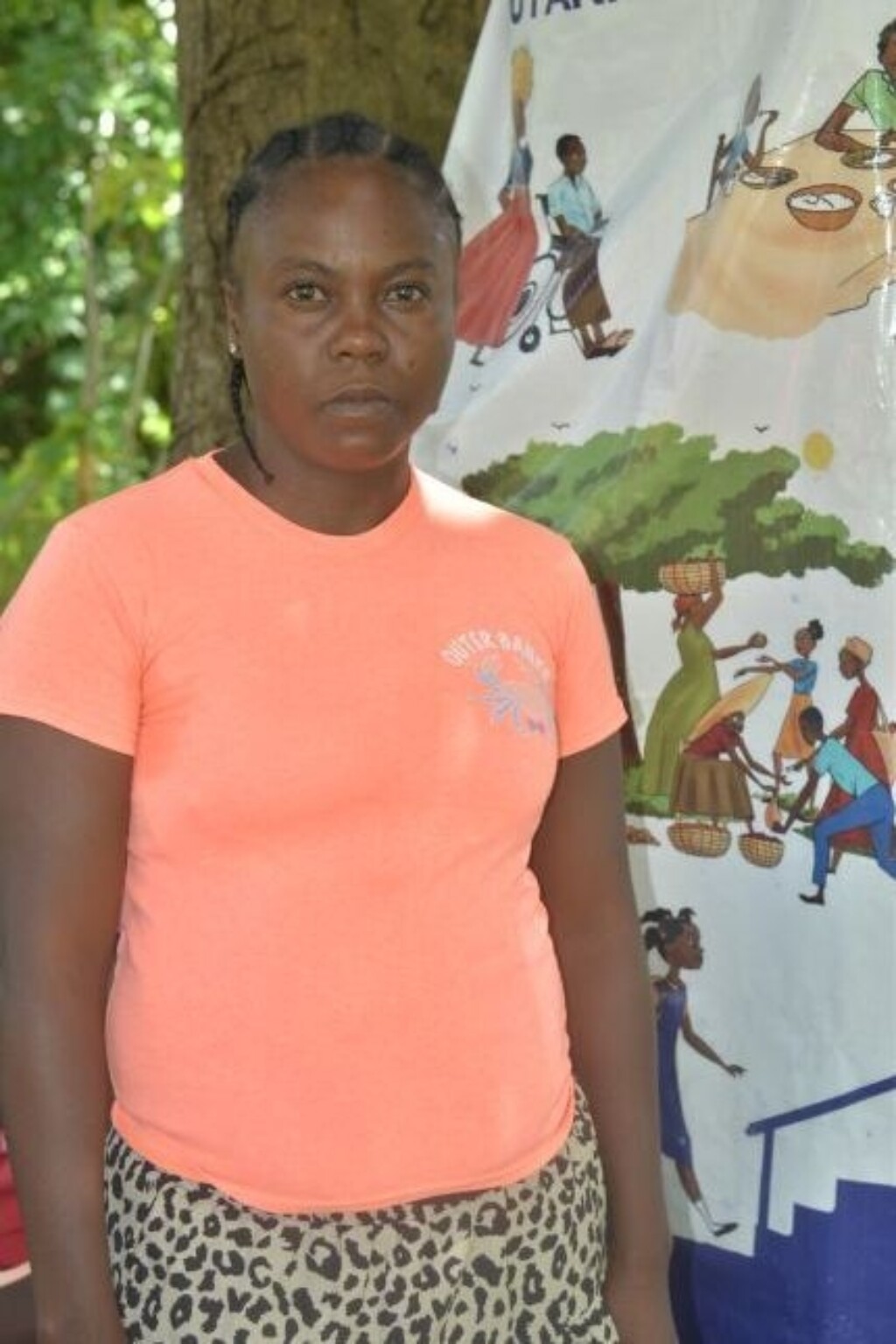
Désiney Misly’s journey also illustrates the transformative potential of VSLAs. A mother of three, she previously worked as a housekeeper to support her family.
Her participation in the Klere Chimen project enabled her to join a VSLA group and benefit from financial support that changed her trajectory. Thanks to project funds and loans obtained through her VSLA group, she launched a traditional bakery business.
Today, she produces and sells bread both wholesale and retail, generating a more stable income for her household. “Things have been getting better and better since I joined the group,” she says.
Her first loan of 7,500 gourdes allowed her to purchase flour and start her business. The profits she generated were later invested in livestock raising. At the end of the savings cycle, she received 10,900 gourdes through the distribution of accumulated savings, an amount that notably helped her pay her rent.
A Resilience-Building Tool for Communities
Beyond providing access to credit, VSLAs are a powerful driver of social and economic transformation in areas where financial services remain limited. By promoting saving, productive investment, and mutual support, they strengthen family resilience and foster greater community cohesion.
Widely integrated into CECI’s initiatives in Haiti, VSLAs continue to demonstrate their ability to support communities in their pursuit of financial autonomy and sustainable improvements in living conditions.