News
Two Years of Humanitarian Action in Mali: EHRA Project Results and Key Figures
October 5, 2026In response to the ongoing humanitarian crisis in Mali, the EHRA project supported displaced populations and host communities in the regions of Timbuktu, Ségou, and Bandiagara over a two-year period. Through interventions in food assistance, water, sanitation and hygiene (WASH), protection, and support for vulnerable households, the project helped improve the living conditions of more than 218,000 people. The project was made possible through funding from the United States Government.
Implemented from 2024 to 2026 by CECI in partnership with the Malian organizations ASG and ALPHALOG, the project placed particular emphasis on women and girls, who represented 70% of the people reached through its activities.
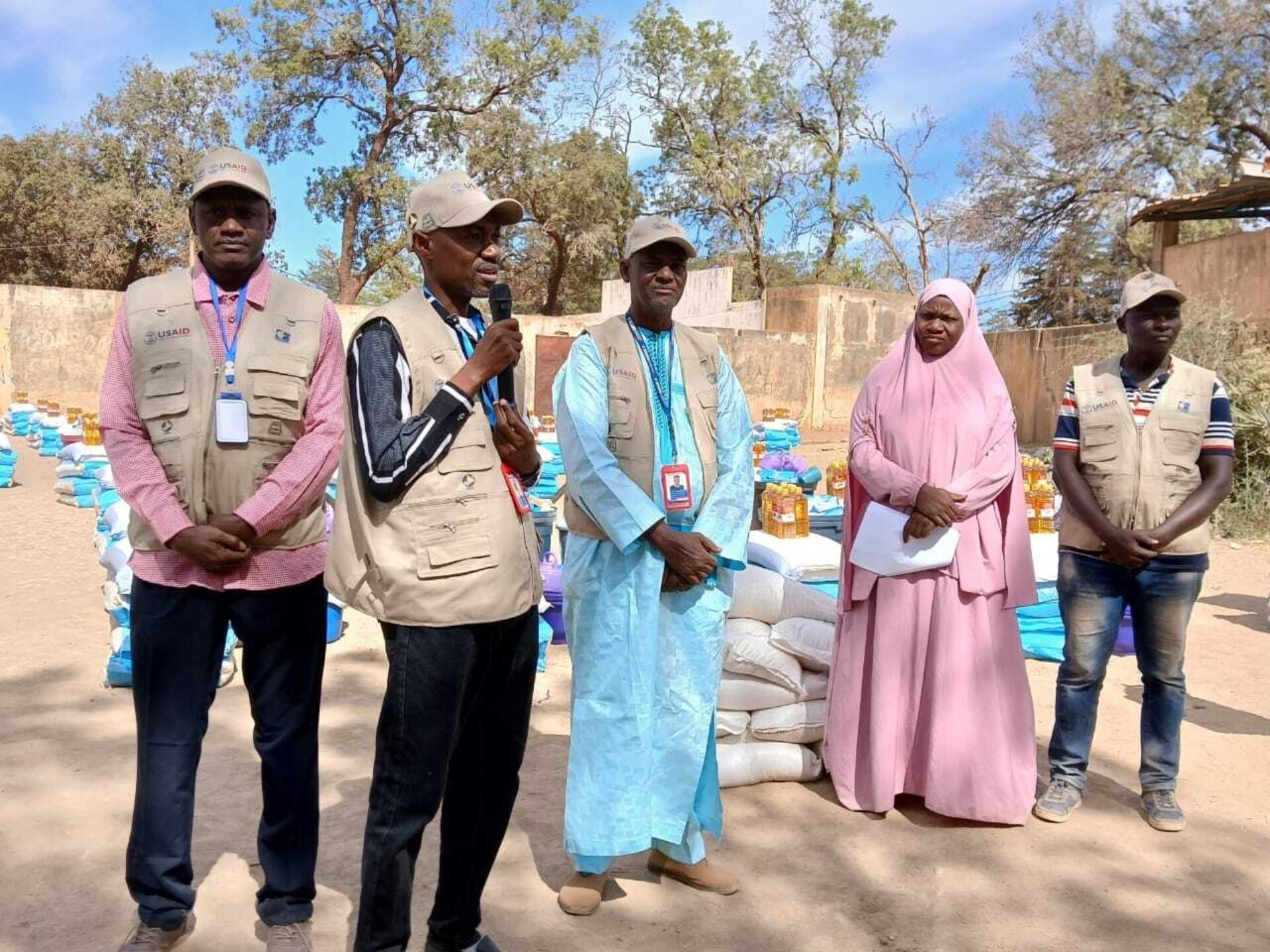
In the area of food assistance, 43,392 people, representing 7,232 households, received emergency or seasonal food support to address food insecurity. This assistance enabled participating households to access food more consistently and better meet their daily needs.
The project also improved hygiene conditions and helped prevent disease through awareness-raising activities that reached 84,810 people. In addition, 33,330 people received hygiene and sanitation kits containing items such as soap, safe water containers, and water treatment products. Particular attention was given to the needs of women and girls, with the distribution of menstrual hygiene management kits and training sessions for 500 participants.
The protection of women and girls was another key component of the project. More than 73,900 people participated in awareness-raising activities on gender-based violence and community protection mechanisms. Twenty safe spaces were established across the project areas, enabling 8,228 women and girls to access support, counselling, and referral services. The project also engaged 820 community and religious leaders, men, and boys to strengthen violence prevention efforts and promote lasting social change within communities.
Finally, 15,870 people received emergency kits and essential household items, including cooking utensils, blankets, and mats, to help meet their immediate needs in situations of displacement or heightened vulnerability.
Beyond the humanitarian assistance provided, the EHRA project adopted an approach grounded in aid localization and accountability to communities. The strong local presence of ASG and ALPHALOG, local recruitment efforts, and the involvement of government technical services helped maintain humanitarian access in areas that were sometimes isolated or difficult to reach. The project also relied on innovative tools, including a digital barcode beneficiary card system, a toll-free hotline, and complaints management mechanisms, to strengthen transparency and enhance the quality of services provided to communities.
As the EHRA project comes to an end, its results demonstrate the importance of humanitarian action that builds on local capacities and community priorities. Thanks to the close collaboration among Malian partners, local authorities, and the communities themselves, thousands of people were able to access essential assistance and protection services tailored to their needs.