News
The Modified Taungya System: Restoring Forests While Creating Economic Opportunities for Women
October 5, 2026Access to land remains a major challenge for many women in West Africa. In Ghana, where women make up 50% of the agricultural workforce but own only 8% of the land, the Modified Taungya System (MTS) offers a promising approach to strengthening both women's economic empowerment and forest landscape restoration.
This approach was highlighted during the webinar “Women, Land and Forests: Leveraging the Modified Taungya System (MTS)”, held on July 9, 2026, as part of the Nature-Based Climate Adaptation in the Upper Guinean Forests of West Africa project, funded by Global Affairs Canada. Implemented by the WUSC and CECI consortium in collaboration with several partners, including the International Union for Conservation of Nature (IUCN), the project works with 68 communities located in the buffer zones of strategic forest reserves in Côte d'Ivoire, Guinea and Ghana.
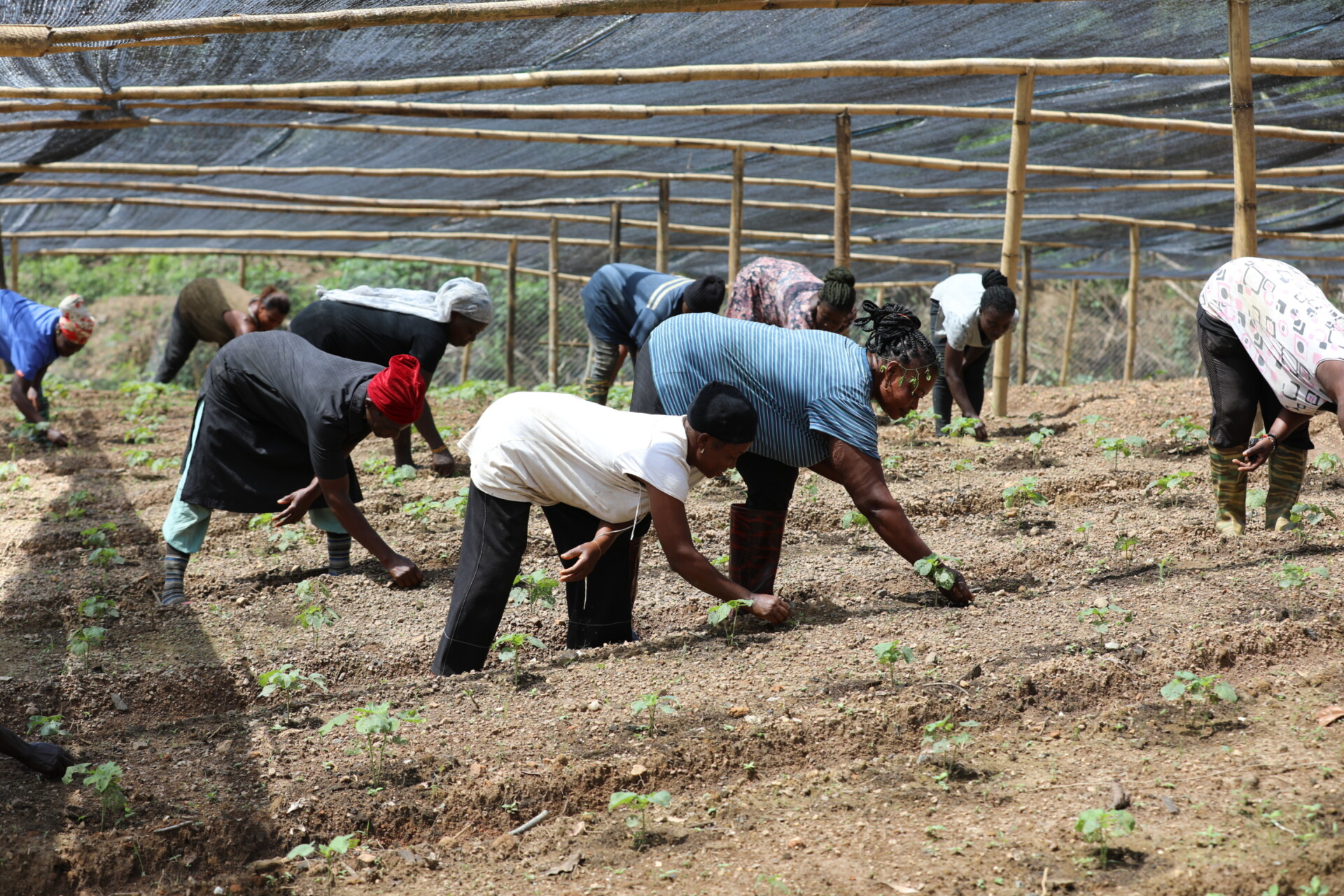
In Ghana, the IUCN is implementing the Modified Taungya System, a participatory agroforestry approach that enables women and men farmers to cultivate degraded forest lands while contributing to reforestation efforts. Through this mechanism, women can access plots within the national forest estate to grow food crops while participating in the restoration of forest ecosystems.
The results observed are encouraging:
In the Bura and Bosomtwe reserves, 50 hectares of degraded land have been restored through the participation of 83 farmers, including 53 women. Women farmers retain 100% of the profits generated from the sale of food crops grown alongside tree plantations. They also have a legal entitlement to 40% of the revenues generated from future timber harvesting, creating both short-term and long-term economic opportunities.
The project also promotes women's green entrepreneurship. Twenty-three women-managed nurseries have been established or strengthened, while more than 500 local micro, small and medium-sized enterprises (MSMEs) receive technical and financial support. Increased income controlled by women also contributes to strengthening household food security.
Despite these advances, several challenges remain. Sociocultural norms continue to limit women's access to land in some cases, while climate change increases risks related to droughts, bushfires and ecosystem degradation. Sustaining these achievements will also require strengthening access to markets and financing for local businesses.
The discussions nevertheless highlighted the potential of the Modified Taungya System to address multiple challenges simultaneously. By promoting more equitable access to land while supporting forest restoration, this approach contributes to strengthening community resilience and women's economic empowerment.