News
Scaling up social protection programmes in Haiti
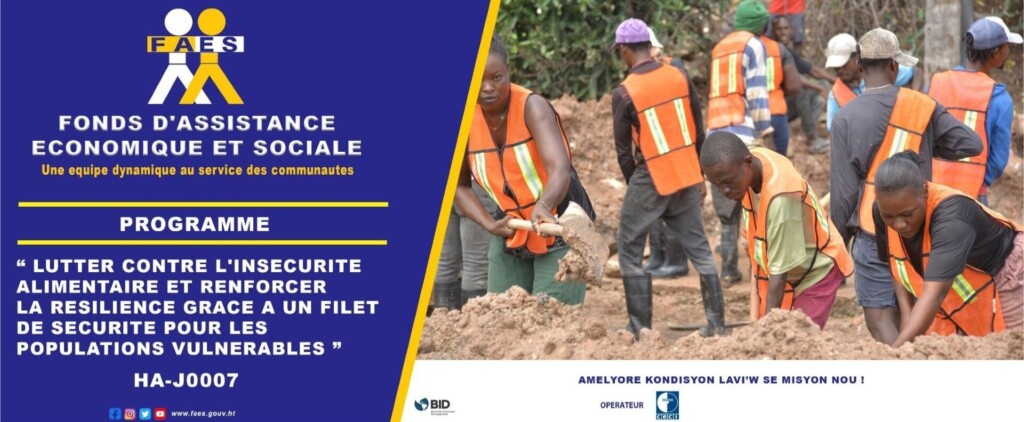
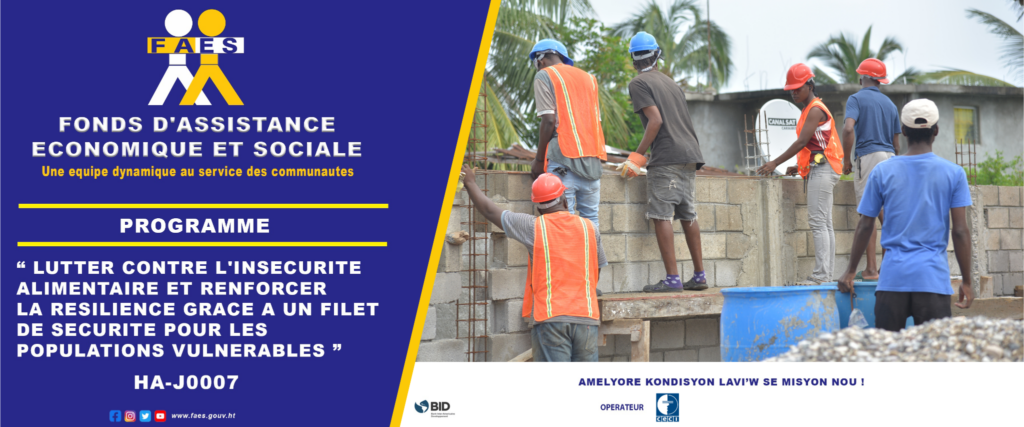
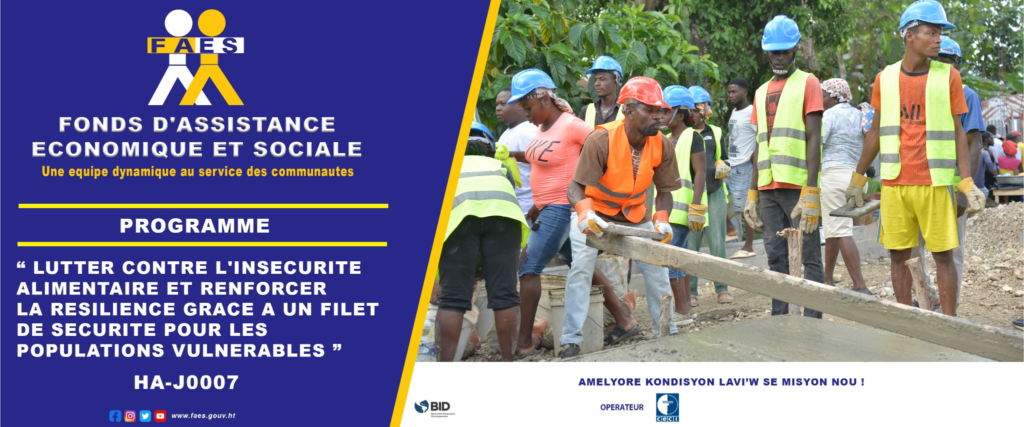
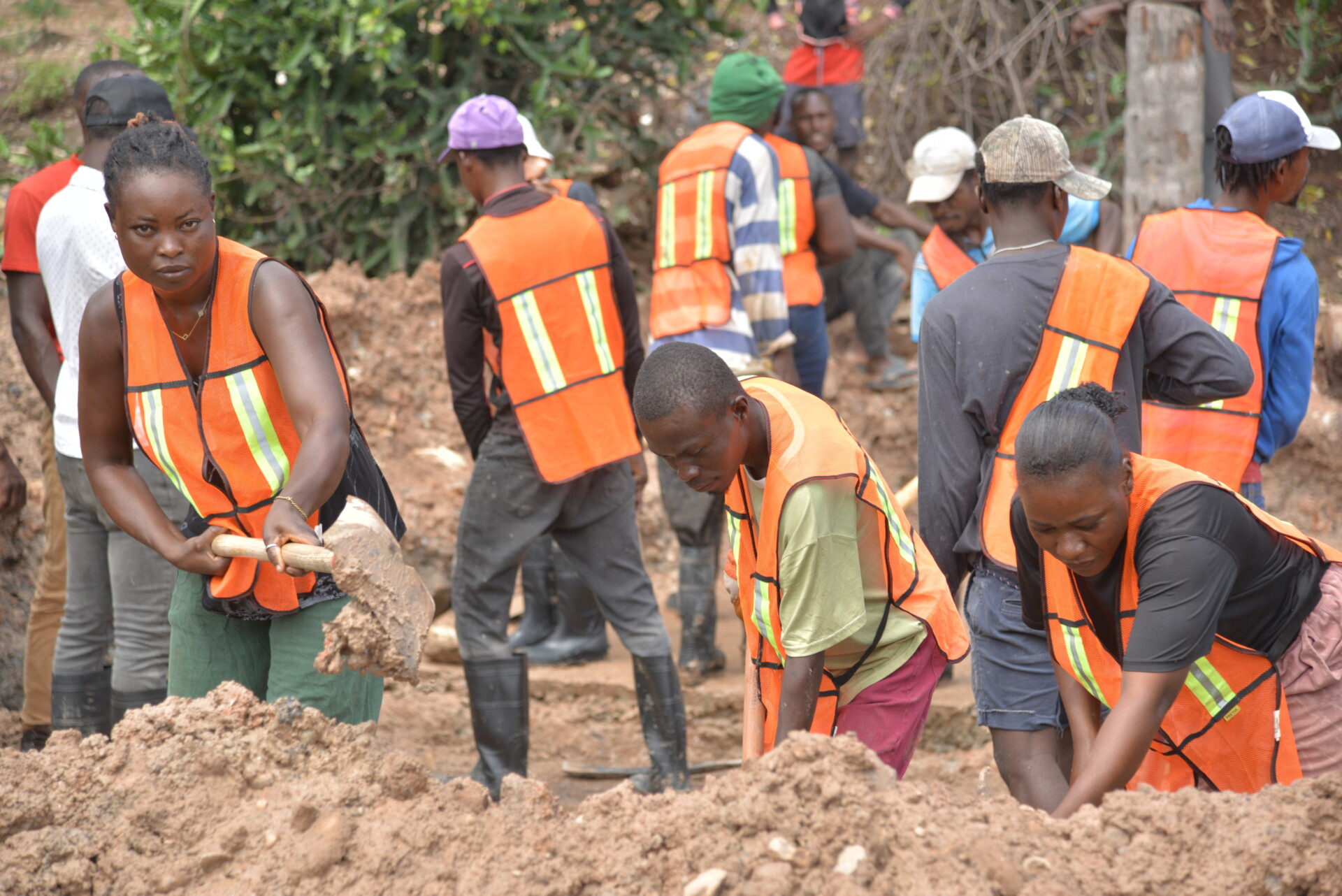
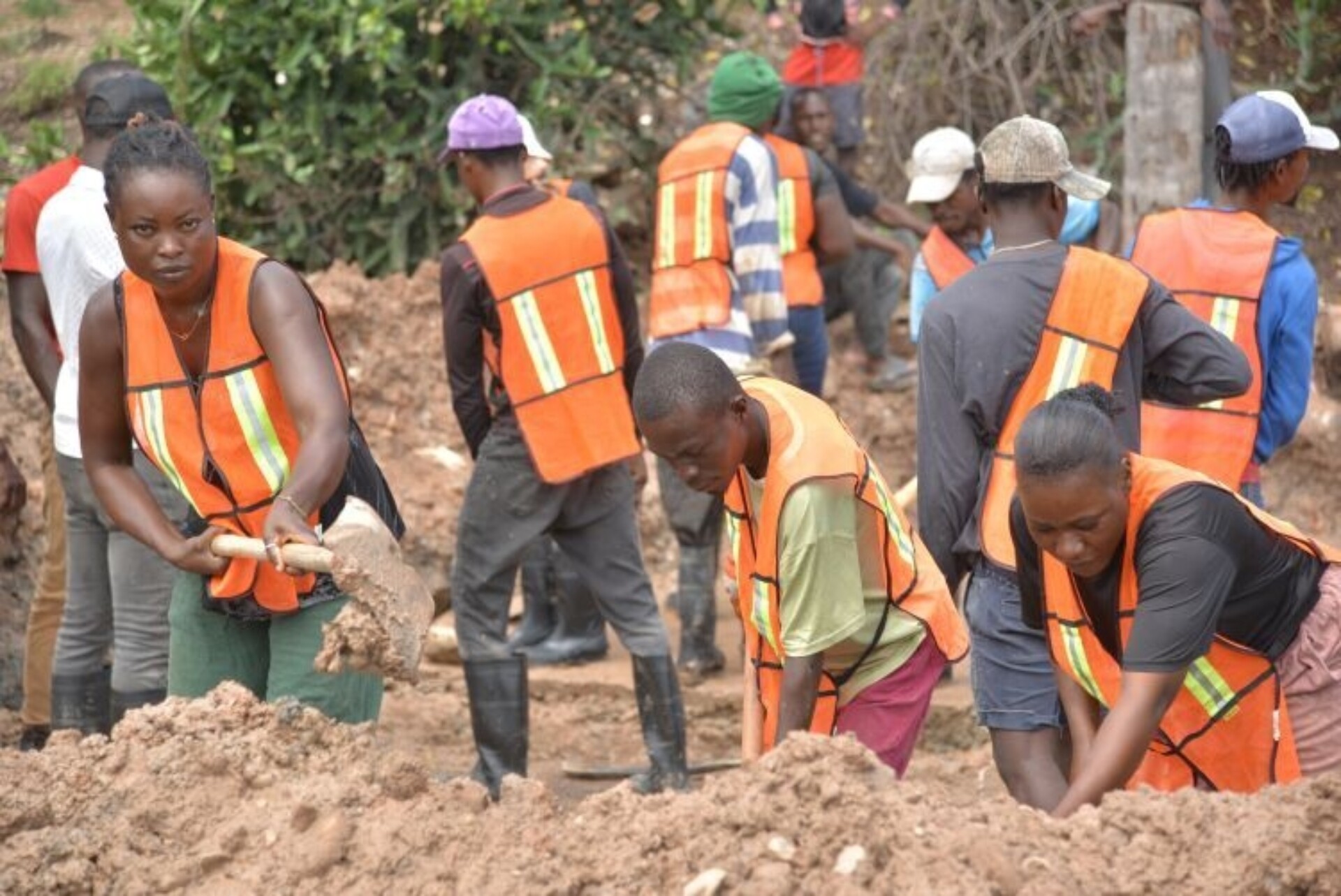
May 25, 2026Within the framework of the programme “Combating food insecurity and strengthening resilience through a safety net for vulnerable populations,” twenty-two sub-projects are being implemented in the North, North-East and Grand’Anse departments. They combine cash transfers and high labour-intensity community works to improve food security, generate temporary income, and strengthen the resilience of vulnerable households to climate and socio-economic shocks.
These sub-projects are currently being launched across the North, North-East and Grand’Anse departments. They aim to improve food security through cash transfers conditional on the implementation of small-scale community works focused on climate resilience.
The works include river rehabilitation, renovation of school infrastructure, road improvement and rehabilitation, construction of bridges and water reservoirs, as well as the development of water sources and fencing for public infrastructure. They also provide temporary income opportunities for participating households, contributing to stronger local economic and social resilience.
Funded by the Inter-American Development Bank and implemented by the Fonds d’Assistance Économique et Sociale, with technical support from the Centre d’Étude et de Coopération Internationale, the sub-projects are distributed as follows: 13 in Grand’Anse (Corail, Jérémie, Marfranc, Pestel and Roseaux), 4 in the North (Grande-Rivière-du-Nord) and 5 in the North-East (Terrier-Rouge and Vallières).
Strengthening the resilience of vulnerable households facing food insecurity
Through this initiative, the Government of Haiti aims to support socio-economically vulnerable families, particularly women-headed households, to strengthen their ability to cope with food insecurity shocks.
Beyond the improvement of community infrastructure, the programme also provides temporary income opportunities, contributing to stronger local economic resilience.
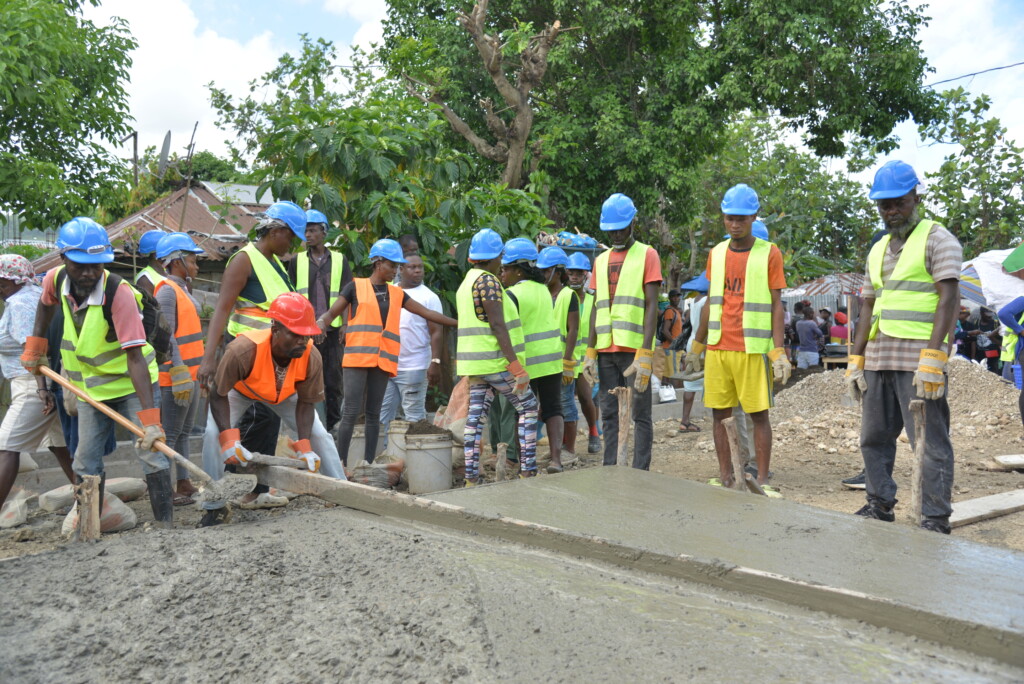
These twenty-two (22) sub-projects are part of a broader set of ninety-nine (99) initiatives planned under this programme. Participants are selected according to specific criteria, including households facing severe food insecurity, socio-economically vulnerable groups (notably women-headed households, older persons without support, and persons with disabilities), as well as families living in intervention areas. The programme prioritizes individuals aged 18 to 50, with a minimum target of 40% women.