News
Restoring land and strengthening climate resilience in Niger
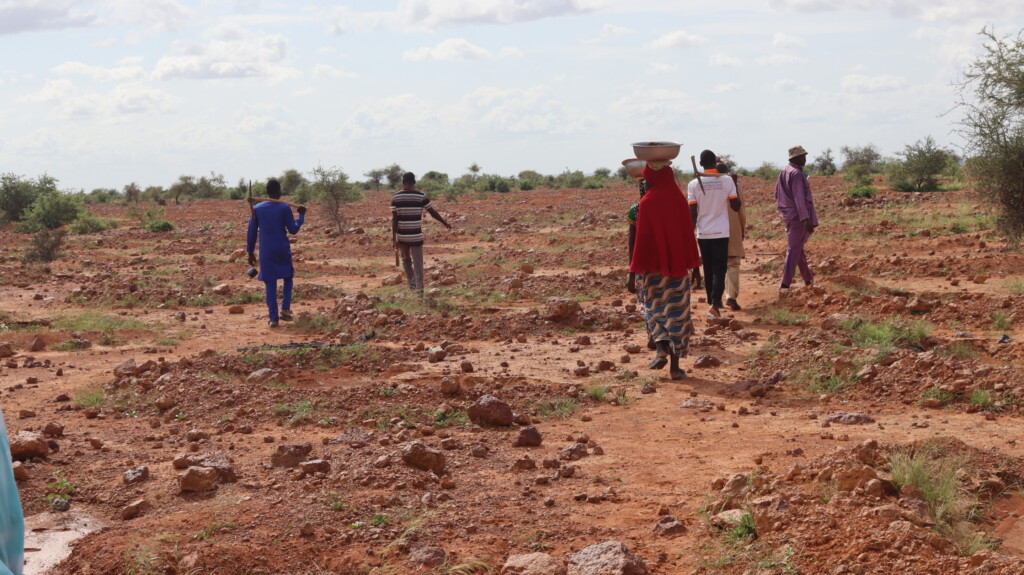
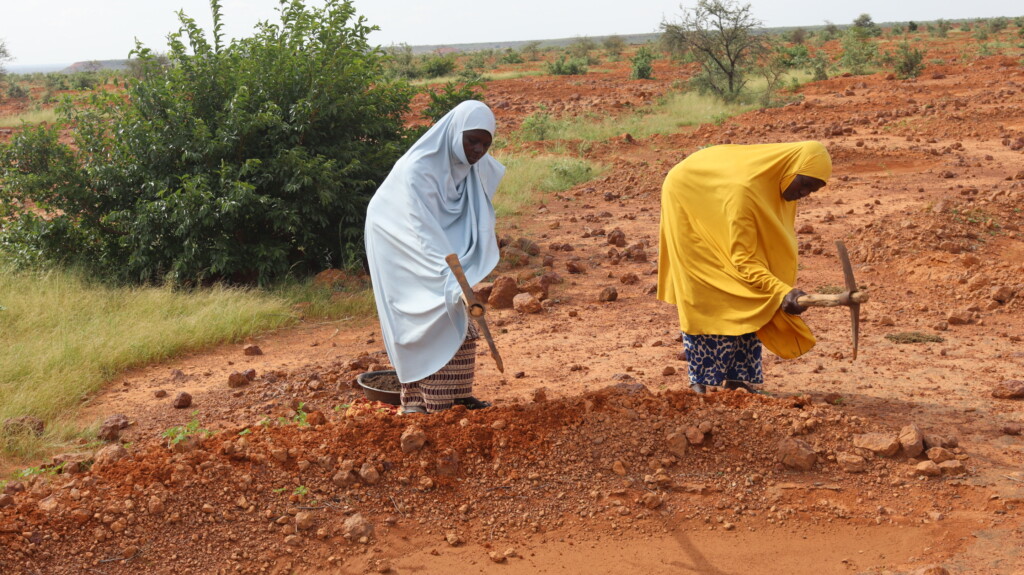
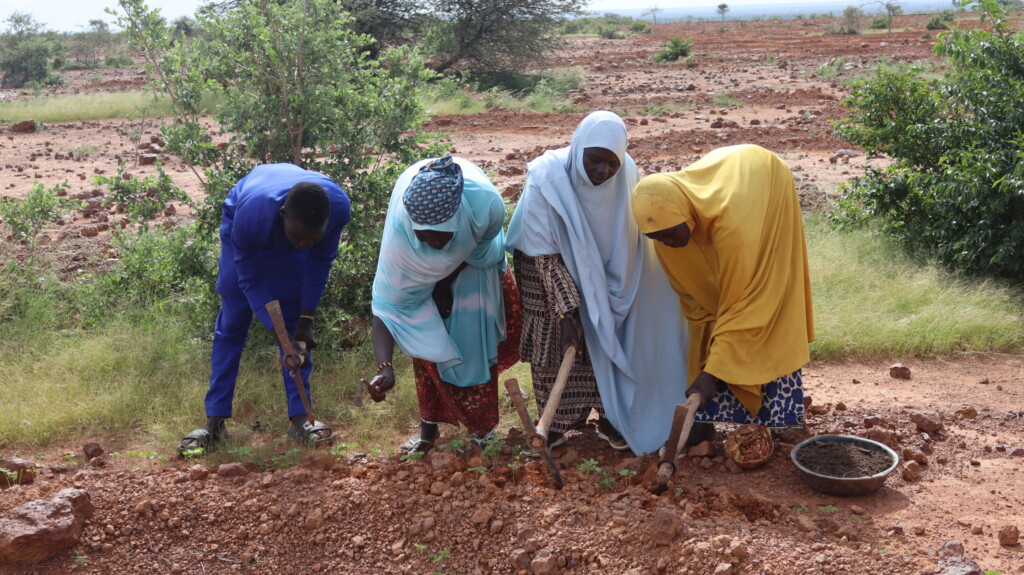
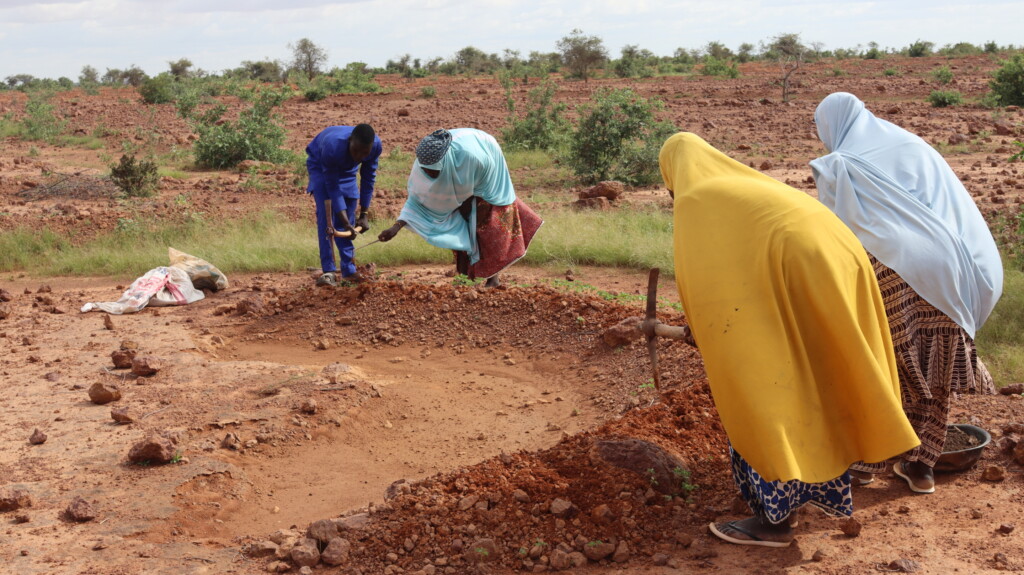
January 7, 2026In the Dallol Bosso region of Niger, rural communities rely on sustainable practices to bring degraded land back to life. One of these practices is the application of compost, which plays a key role. By enriching the soil, it supports tree growth and improves land quality, often weakened by drought and erosion.
This practice, now being strengthened and shared across several villages, contributes to ecosystem restoration and food security. It builds on local knowledge while integrating new approaches shared among rural organizations, women, and young farmers. Together, they strengthen their capacity to adapt to climate change.
Sustainable practices serving the land
The application of compost is part of a broader set of land restoration and sustainable land management actions in the Dallol Bosso basin. Supported by the AdaptEco project, this collective effort combines reforestation, natural regeneration, and community awareness-raising to preserve natural resources.
Concrete results for sustainable communities
The project aims to restore between 200 and 300 hectares of land and to support more than 3,000 people, including 60% women and 30% young people, in adopting climate-adapted agricultural practices. These efforts strengthen community resilience while supporting economic autonomy.
A collective commitment to climate resilience
The AdaptEco project is implemented by CECI in consortium with Viridis Terra International, in partnership with the local NGOs Femmes, Action et Développement (FAD) and Garkua. It receives financial support from the Ministère de l’Environnement, de la Lutte contre les changements climatiques, de la Faune et des Parcs du Québec, through the Programme de coopération climatique internationale (PCCI).
By valuing the leadership of women and young people, the AdaptEco project promotes climate adaptation rooted in local knowledge and community priorities, contributing to healthier and more inclusive ecosystems.