Récit de changement
Shea, beyond the balm: a treasure for the women of Benin
February 4, 2026It is 5 a.m. We, the women of the village of Tamarou, nestled within a savanna dotted with shea trees, take advantage of the dawn's coolness to begin our workday. In just a few hours, the heat will be suffocating, our tunics will be soaked, and our fingers stiffened by toil..
A precious resource
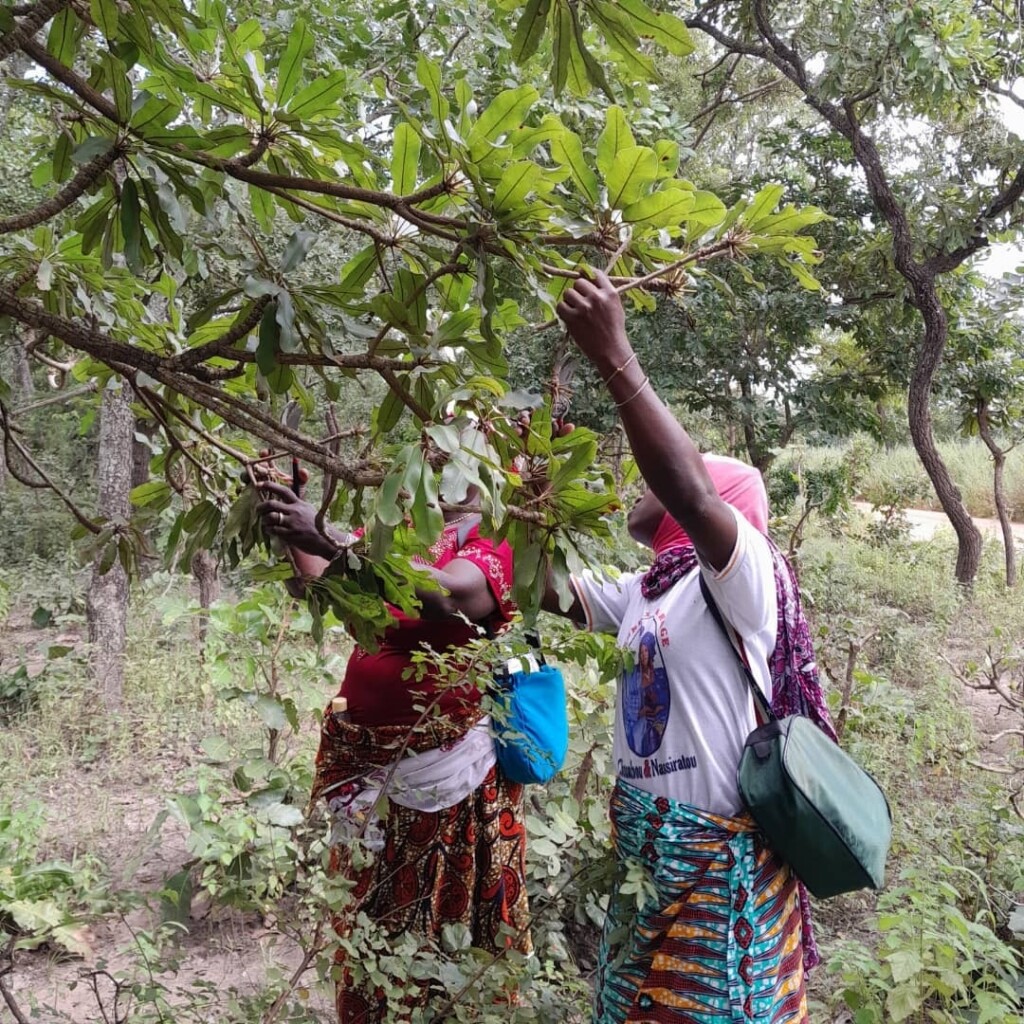
But the sacrifice is worth it for the shea—this majestic tree with countless benefits, an emblem of both tradition and the future in our region. Every year, more than 500,000 Beninese women devote our strength to it, selling the patiently harvested fruit or processing it into butter. Though the stages can be grueling, each one is an achievement. Our skin, weathered by travel in the sweltering heat, the aching muscles from gathering and carrying heavy loads—nothing dampens our motivation as shea producers, the proud protectors of this precious resource.
The thriving shea sector indeed represents thousands of jobs for collectors like me and for those who process the nuts, the fruit of the shea tree. We often devote more than 35% of our income to our family's well-being and needs. The remaining 65% is managed at our own discretion—testament to a hard-won financial autonomy.
In recent years, however, we have been decrying the peril threatening our green jewel: the clearing of new land and bushfires are hindering its natural regeneration. Imagine a park sheltering hundreds of trees, stretching their lemon-green foliage, arranged in rosettes, toward the sky. They seem so firmly anchored in the earth that one could hardly imagine so many of them could be so easily cut down
And yet...
Today, the majority of major reserves are in an advanced state of destruction, with only one-third of shea resources still available, leading to a decline in nut and butter production. For us women, this represents an overwhelming loss of income and the bitter taste of a constant step backward.
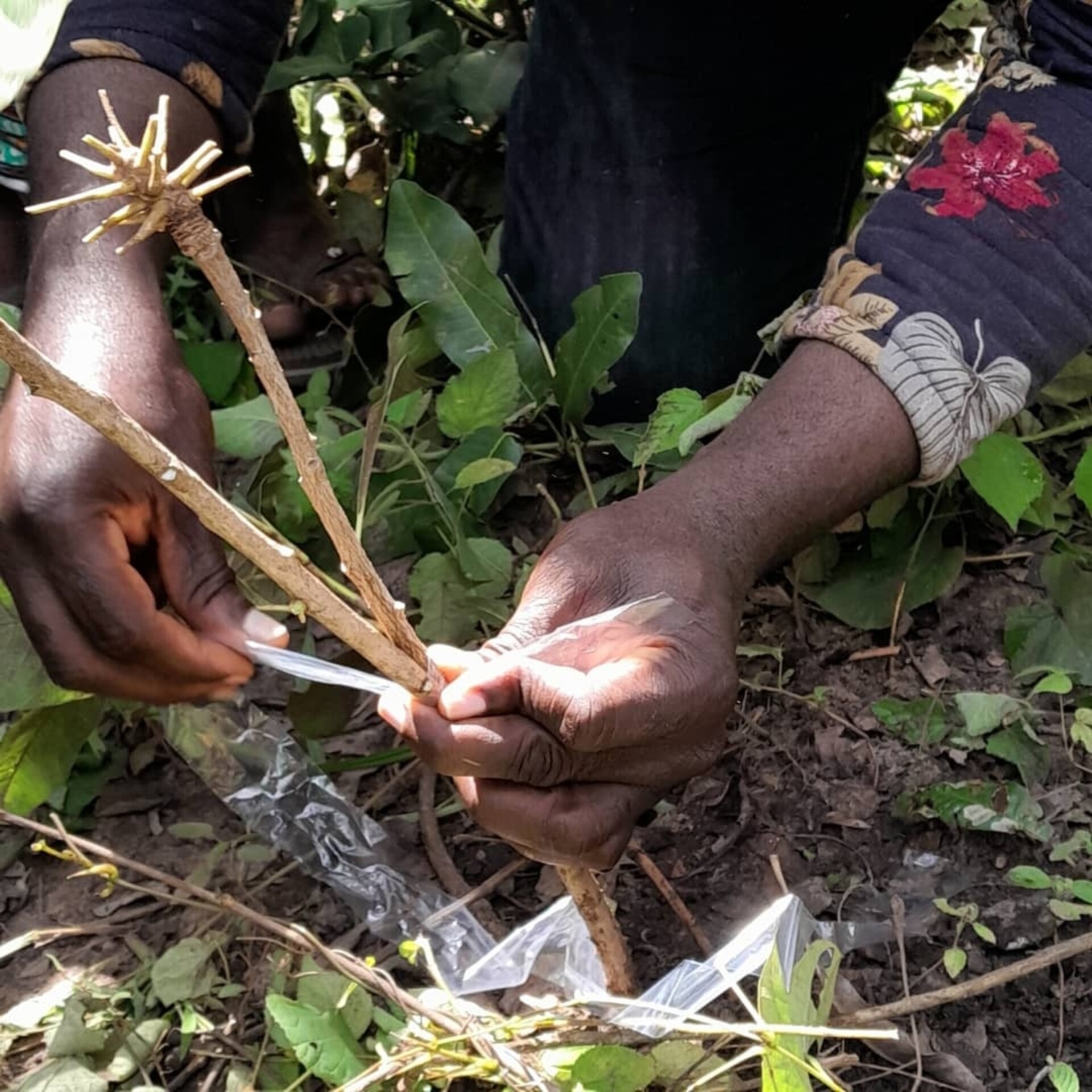
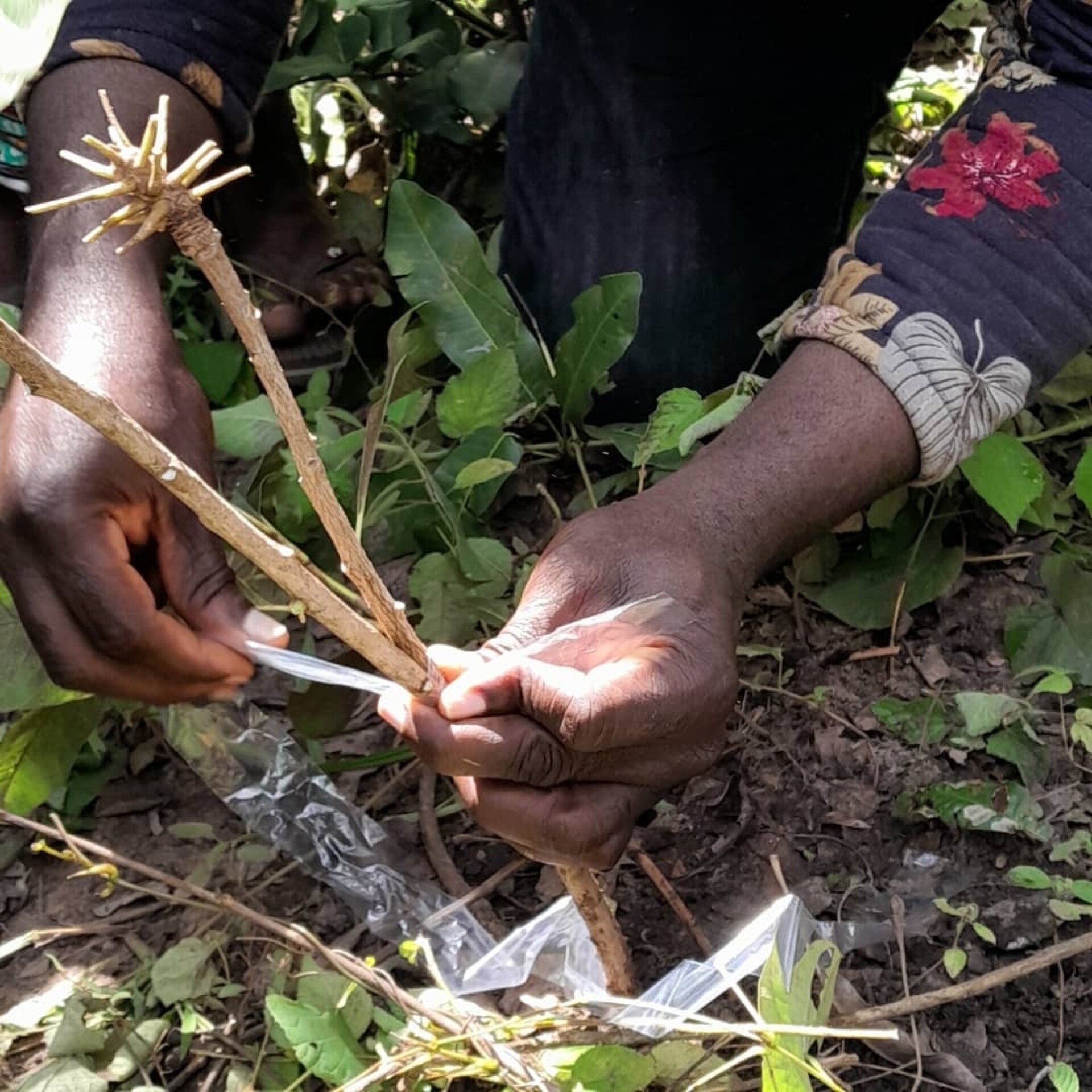
Driven by the desire to protect this national treasure, CECI’s Volunteer Cooperation Program (VCP) partnered with the National Federation of Shea Nut and Butter Producers (FNPK) to launch the 'Action for Shea Parks' project. This initiative aims to mitigate the decline of shea tree populations. Ten women from the village of Tamarou in the N’Dali district, all members of the FNPK, were trained in techniques for regeneration, grafting, and shea tree management. Confident in our strengthened skills, we have produced no fewer than 1,000 new shea saplings, cared for and nurtured with the same devotion one would give a newborn. These young shoots are being meticulously raised to grow in strength and beauty.
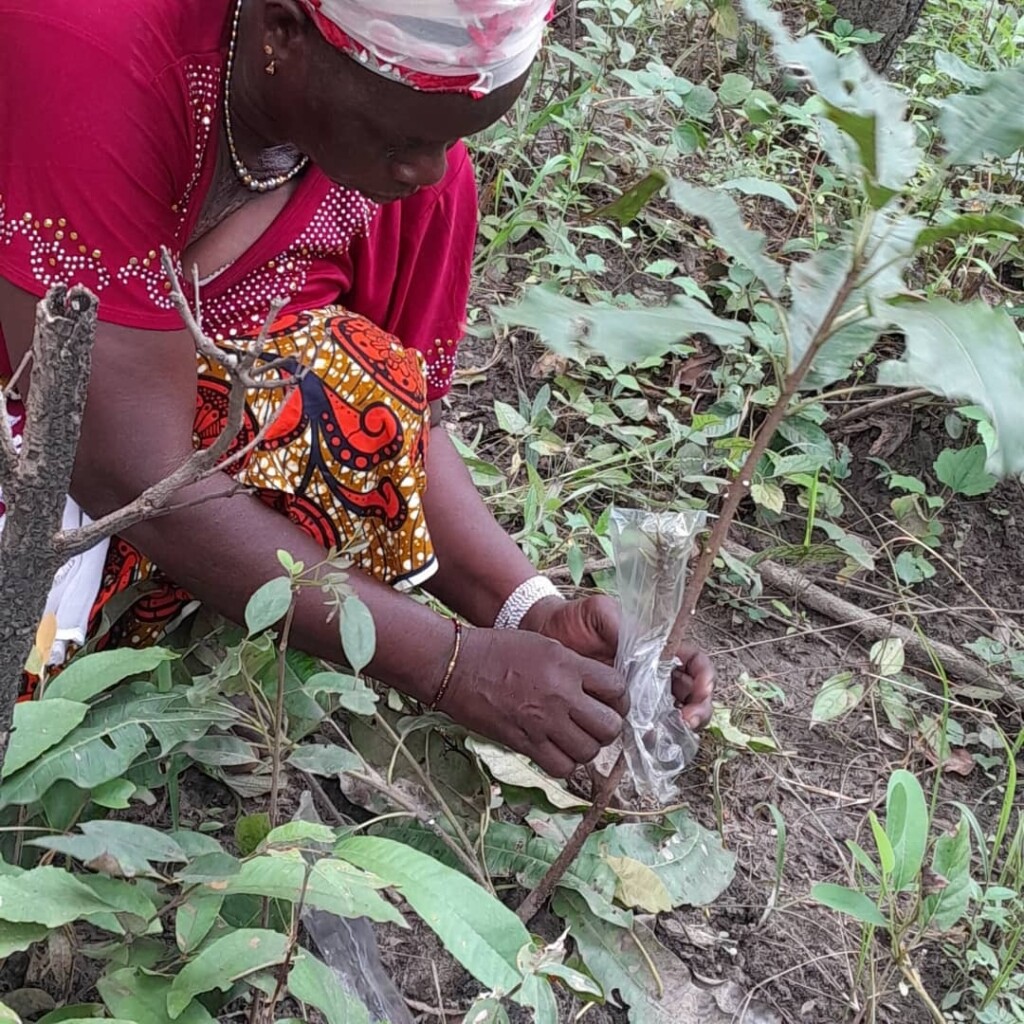
Chab Gon Azaratou, who once had to settle for working with the shea surpluses rejected by male farmers, has discovered a power she never thought she would hold. 'Now, the trees we plant belong to us,' she says, her gaze emboldened. 'We are now capable of creating nurseries, grafting, and transplanting our own saplings.'
For this experienced collector, shea is the promise of a better life for herself and her children, and a seat at the decision-making table. Chab Gon Azaratou dreams of the global shea industry expanding, and to get there, she knows she must continually develop new, more efficient techniques. And that is exactly as it should be, for it is proof that she and I are part of a movement—a legacy we are building for the young girls who will follow in our footsteps.
This activity is carried out as part of CECI’s Volunteer Cooperation Program, funded by the Government of Canada
