News
In southern Haiti, resilient agriculture strengthening food security
April 29, 2026In southern Haiti, the PARSA project, implemented by the Ministry of Agriculture, Natural Resources and Rural Development (MARNDR) with support from the World Bank, actively contributes to strengthening food security and agricultural resilience. Through technical support and adapted inputs, thousands of producers are improving their practices, increasing yields, and sustainably strengthening their livelihoods.
A structured implementation
The Ministry of Agriculture, Natural Resources and Rural Development (MARNDR) is implementing the Agriculture Resilience for Food Security Project (PARSA) across several regions of the country. Funded by the World Bank, the project is structured into several components, including “incentives for crop production,” implemented in the South over a 30-month period (August 22, 2024 – February 21, 2027) by the Alliance Agricole Internationale (AAI) consortium, which brings together CECI, SOCODEVI, and UPA Développement international.
To date, 7,570 producers, 55% of whom are women, have been reached in the municipalities of Les Cayes, Torbeck, Camp-Perrin, and Maniche. These interventions contribute to strengthening the agricultural sector and national food security.
Targeted actions to strengthen food security
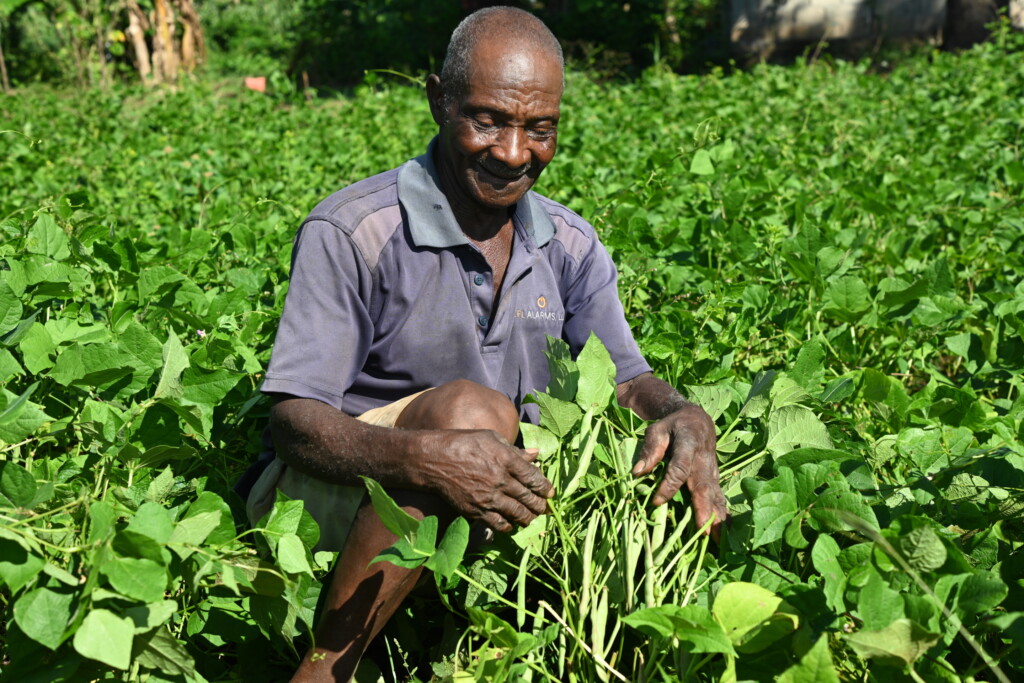
This project component aims, among other objectives, to improve food availability for targeted households, increase the production of nutritious food through the adoption of improved and resilient agricultural practices, and strengthen the capacity of the Haitian government to respond quickly and effectively to the needs of farming households.
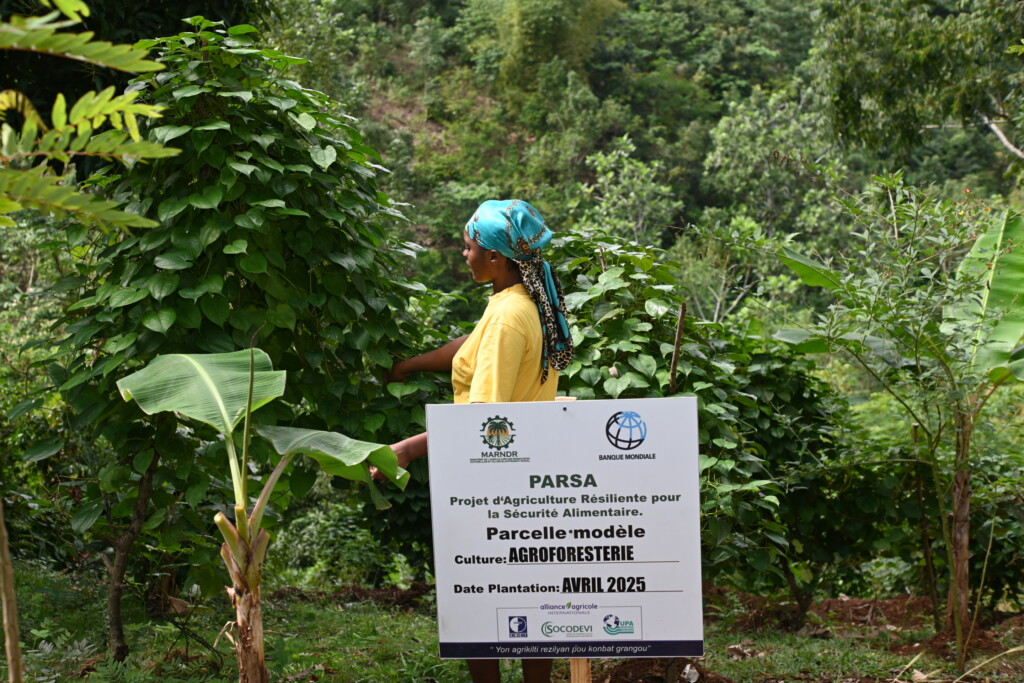
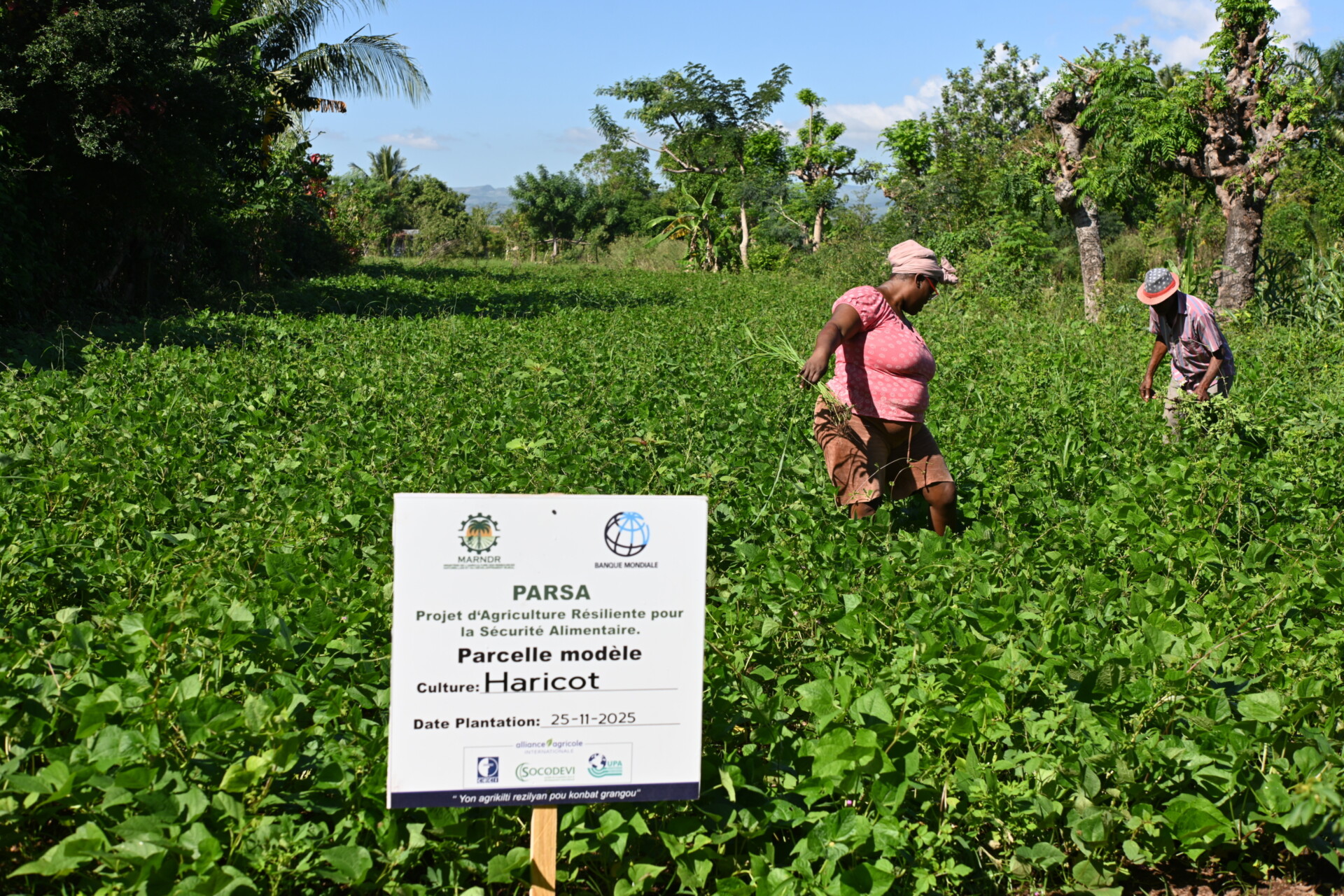
Through adapted technical packages (rice, maize, peanuts, agroforestry, and market gardening), producers are improving their yields, diversifying their cropping systems, and adopting more efficient and resilient practices.
The interventions combine access to strategic, high-quality inputs, strengthened technical skills, and optimized plot management. This integrated approach increases productivity while reinforcing local capacity to respond to agricultural shocks.