News
Haiti: Continuing to Act Despite Challenges, Alongside Communities and Partners
October 20, 2026For several years, Haiti has been facing a period marked by significant challenges. Insecurity, particularly in the Port-au-Prince metropolitan area, difficulties accessing certain services, climate change, inflation, and economic pressures continue to affect the daily lives of many people and organizations.
In this complex context, CECI's teams and partners continue to work alongside communities, adapting their approaches to the realities of the country. Beyond the crises that regularly make headlines, Haiti is also driven by ongoing efforts in community mobilization, innovation, and collaboration.
New initiatives addressing priority needs
Among the initiatives that illustrate the continuation of efforts in Haiti is the launch of the project My Health, My Rights / Sante mwen, dwa mwen in June 2026. Implemented by the International Health Unit of the Université de Montréal, Lawyers Without Borders Canada, and CECI, with the financial support of the Government of Canada, this seven-year project aims to promote more equitable access to quality health services for women, adolescent girls, and people in vulnerable situations, while strengthening the resilience of the health system.
The project's launch brought together representatives of public institutions, civil society organizations, and national and international partners. This mobilization highlights the importance of maintaining and strengthening partnerships to address the country's priority needs in a challenging context.

Responding to climate challenges
The challenges facing Haiti extend beyond social and economic crises. The country is also highly exposed to the impacts of climate change, which threaten ecosystems, agricultural activities, and the living conditions of many communities.
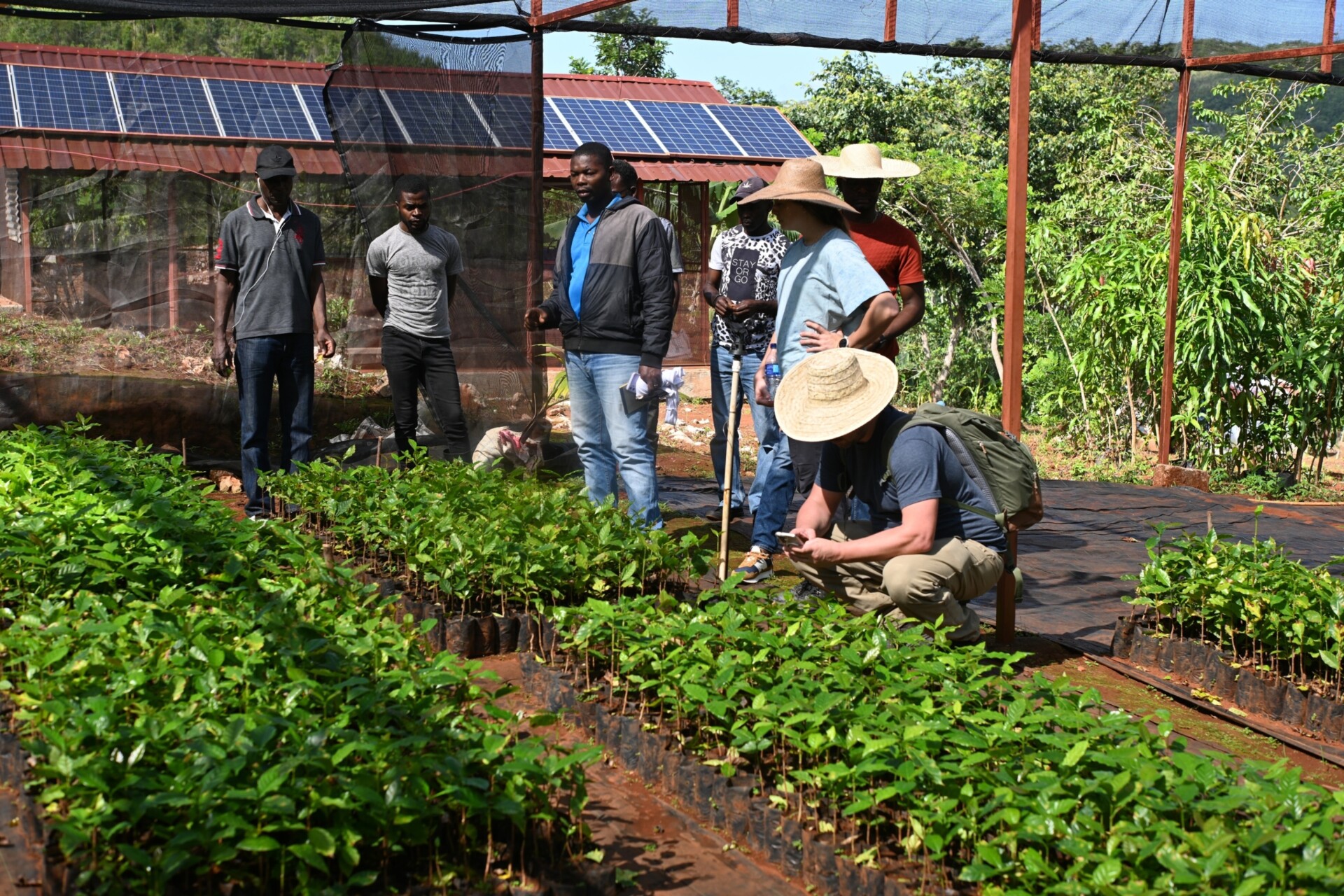
In the country's southwest region, the Koridò Vèt project helps strengthen the adaptive capacity of communities in the Baradères-Cayemites Complex through nature-based solutions and an approach that places women's leadership at the heart of its actions. Implemented by the CECI–Viridis Terra International (VTI) consortium and their partners, the project supports ecosystem restoration, biodiversity conservation, and the sustainable management of natural resources.
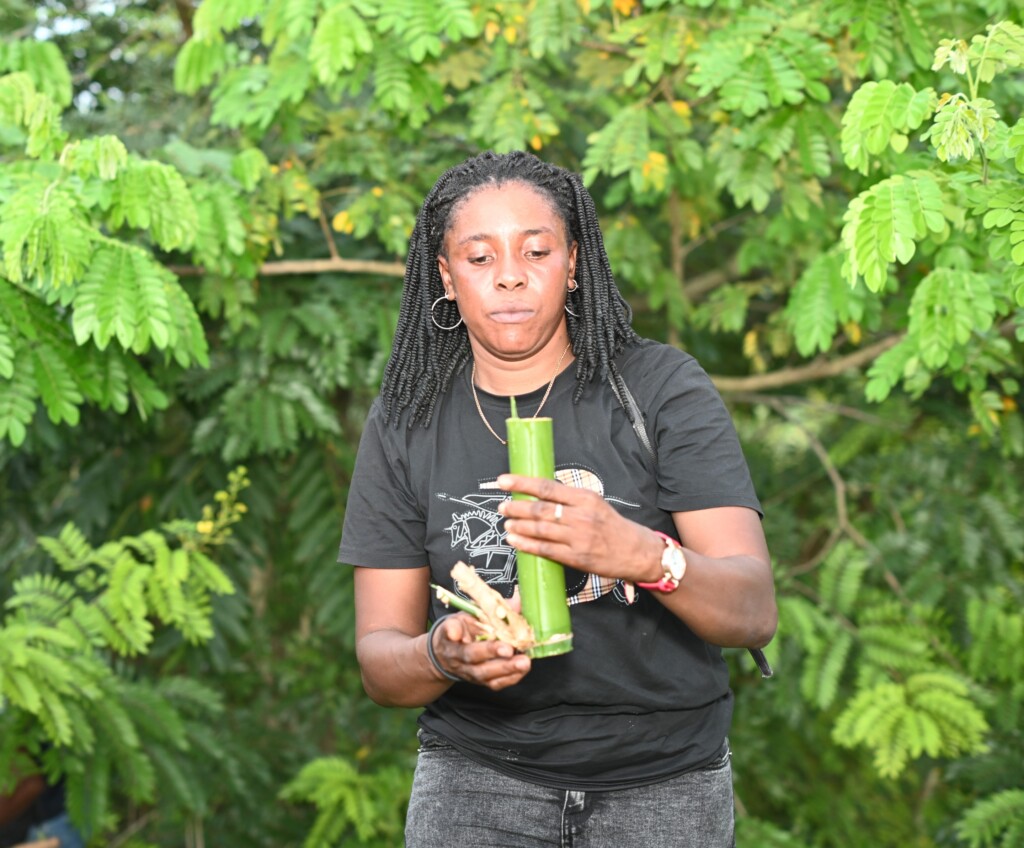
Through environmental awareness and mobilization activities, including those organized last June as part of World Environment Day, the project highlights the essential role communities play in protecting their territories and identifying solutions adapted to local realities.
Fostering collective solutions
Finding solutions adapted to local realities also requires stronger dialogue among communities, local authorities, and other stakeholders within a given territory. In northern Haiti, CECI's AGIR project helps strengthen this dialogue around local development priorities. This approach seeks to promote more inclusive governance, increase civic participation, and strengthen communities' ability to contribute to the decisions that shape their future.
Adapting to an ever-changing environment
Working in Haiti today requires a high degree of adaptability. Teams and partners must navigate logistical constraints, challenging travel conditions, and an uncertain economic environment.
This reality reinforces the importance of locally rooted action. CECI's team in Haiti and its Haitian partners play an essential role thanks to their understanding of the context and their close presence within communities.
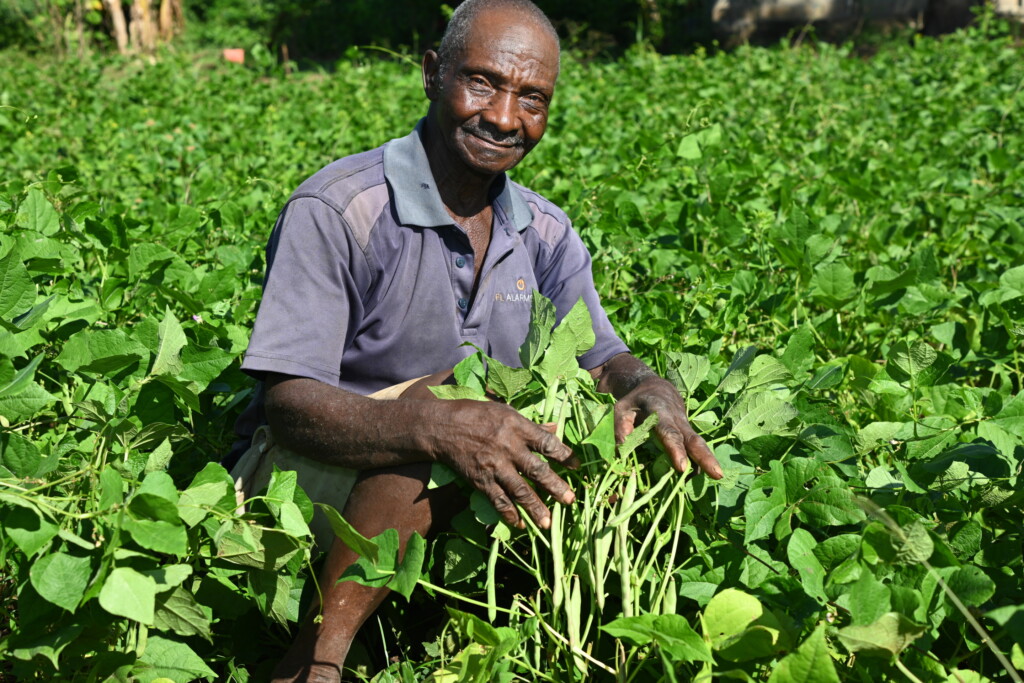
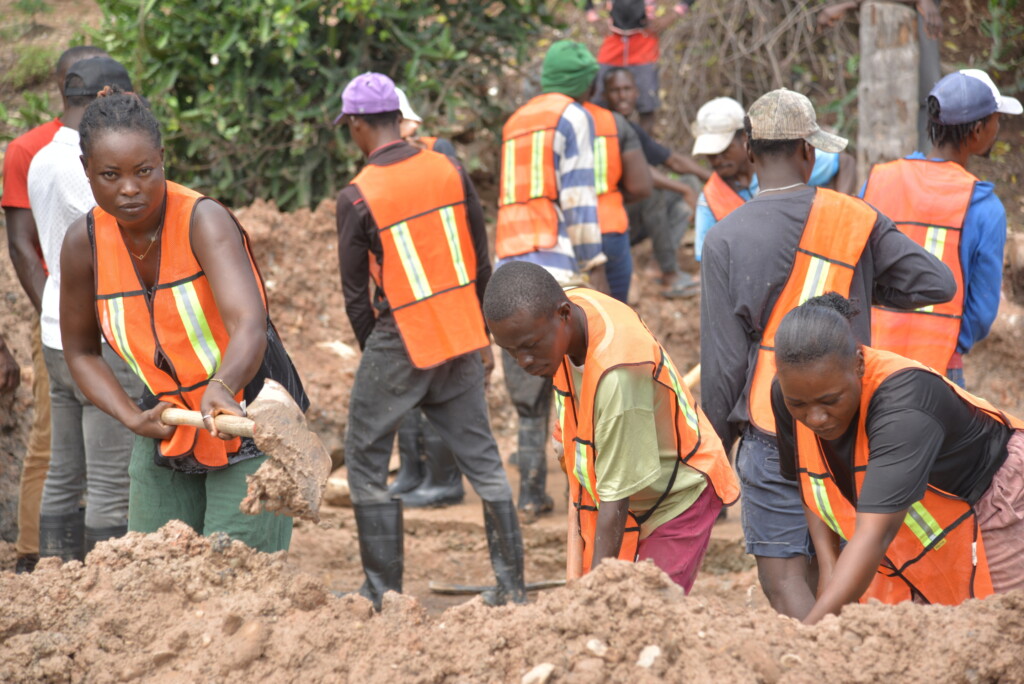
This year, more than a dozen CECI projects are continuing their activities across Haiti in sectors including food systems strengthening, inclusive economic development, and social protection. These initiatives reflect the commitment of CECI-Haiti and its partners to address priorities identified with communities while continuing to invest in the country's future. In particular, access to training, employment, and entrepreneurship opportunities for young people remains an important lever for strengthening community resilience and supporting Haiti's long-term development.