Récit de changement
Ana: becoming an entrepreneur in Guatemala
June 5, 2026I was 10 years old when my mother introduced me to jewelry making. I watched her fingers manipulate the threads and colorful beads with an agility that sparked my admiration. I saw centuries of our Maya ancestors' practice come to life in her hands. With patience, she passed down to me this traditional Maya practice, which is at the heart of preserving our cultural symbols. Jewelry making is one of the few fields where women can exercise their leadership in our community. This explains the deep importance we place on it.
It was with great determination that I developed my skills over the years, eventually mastering a new material: textiles. My name is Ana, and I am the founder of the brand ANAMAR, which creates clothing and jewelry inspired by the Maya culture of the Chichicastenango region in Guatemala.
Even though I am immensely proud of how far I have come with my business, where we live, making clothes and jewelry was not enough to fully provide for our needs. Markets are difficult to access, and we lacked the resources to learn how to manage a business more effectively. As Maya artisans, we regularly compete with counterfeit goods, which are naturally sold at lower prices than our authentic products. Furthermore, since most of us are mothers, we cannot leave for long periods, especially when our children are young. Being a Maya artisan in a city like Chichicastenango is an uphill battle, believe me!
A promising complementary activity
So, we had to resign ourselves... and take on a complementary activity: agriculture. Yet, once again, our fields did not adequately meet our needs. What we harvested was not nutritious enough and sometimes even harmful—a double-edged sword for our health. It felt like an endless wheel that threatened to push us to the brink of exhaustion.
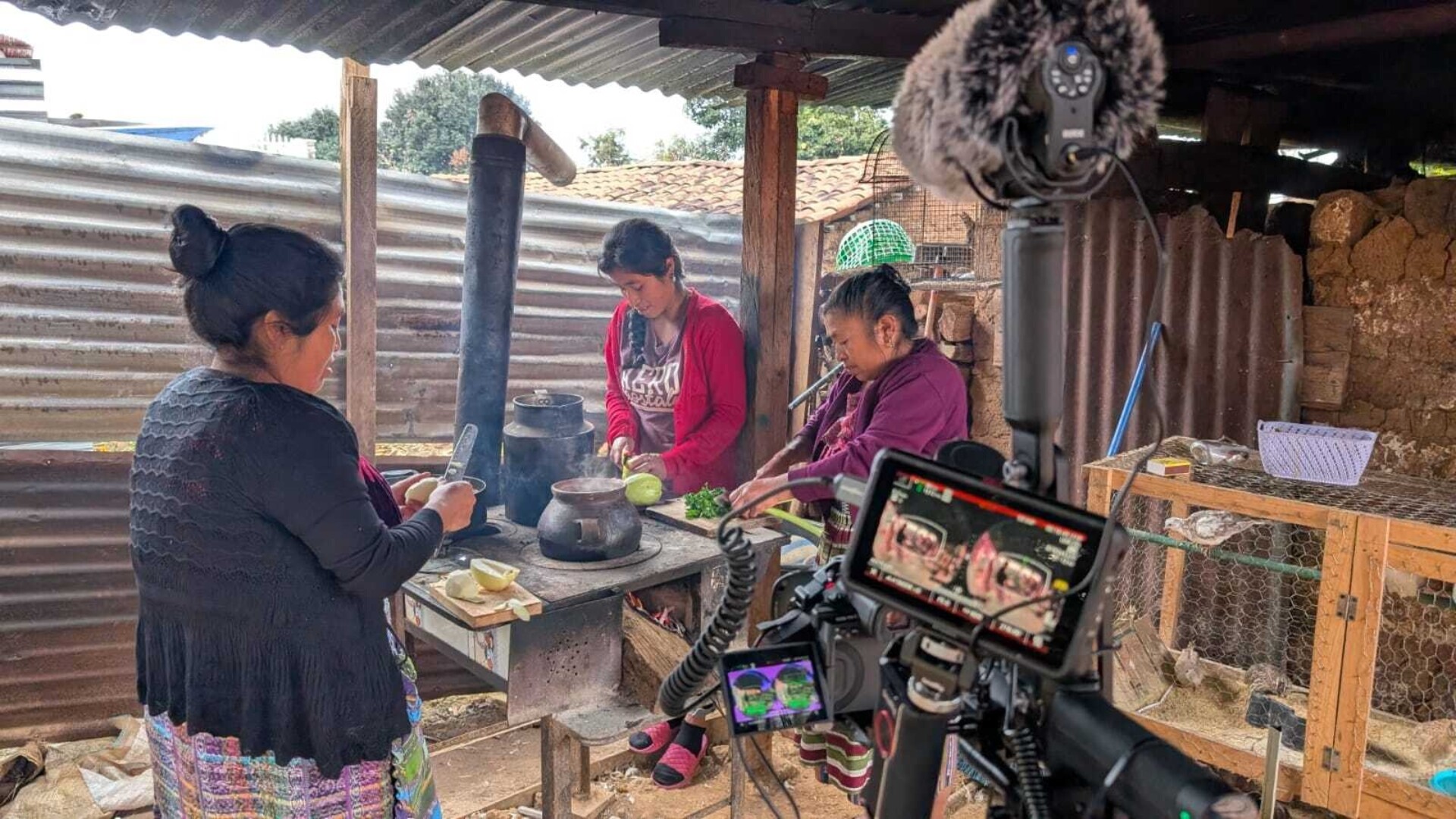
Then, the organization CECI brought the Volunteer Cooperation Program (VCP) to our region. Through exchanges and guidance from volunteers, we gradually strengthened our skills to better manage our daily lives. The knowledge-sharing spaces we participated in allowed us to develop skills in finance, business management, and the enhancement of organic gardening practices, as well as sustainable and nutritious agriculture. 'The relationship was beautiful. Despite our different cultures, there were precious exchanges. We are truly grateful for the support we received.
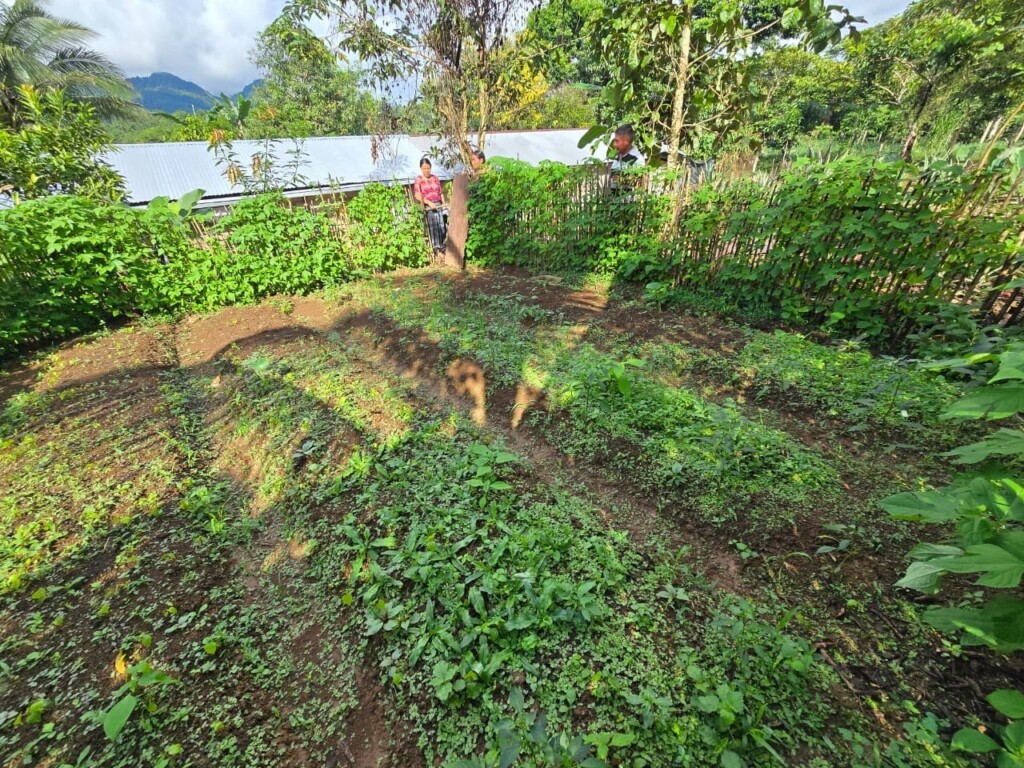
For many, this initiative has had a tremendous impact on their lives. Today, we are more confident in our abilities and equipped to take meaningful initiatives in our communities. One of us, María Pérez Velazco, even became a councilwoman for the municipality of Santa María Nebaj! It is encouraging to see a woman occupy a decision-making position like that.
The 82 participants in the VCP project also now know how to abundantly cultivate cilantro, radishes, celery, and Swiss chard. This success allows us to be less dependent on local food markets and even generate complementary income through livestock farming and organic fertilizers. Yet, the most significant impact is our learning—knowledge that we can pass down to future generations.
Today, I walk through the narrow streets filled with the colorful textiles sold by the artisans of Chichicastenango, knowing that I now hold a strong and rightful place in our local economy.
This activity is carried out as part of CECI’s Volunteer Cooperation Program, funded by the Government of Canada.
