Récit de changement
Adama's Story: The Garden of Victory
May 29, 2026From the very beginning of my life, the road ahead looked difficult, but even though misfortune has struck me many times, it has never extinguished the hope that has given me the strength to carry on.
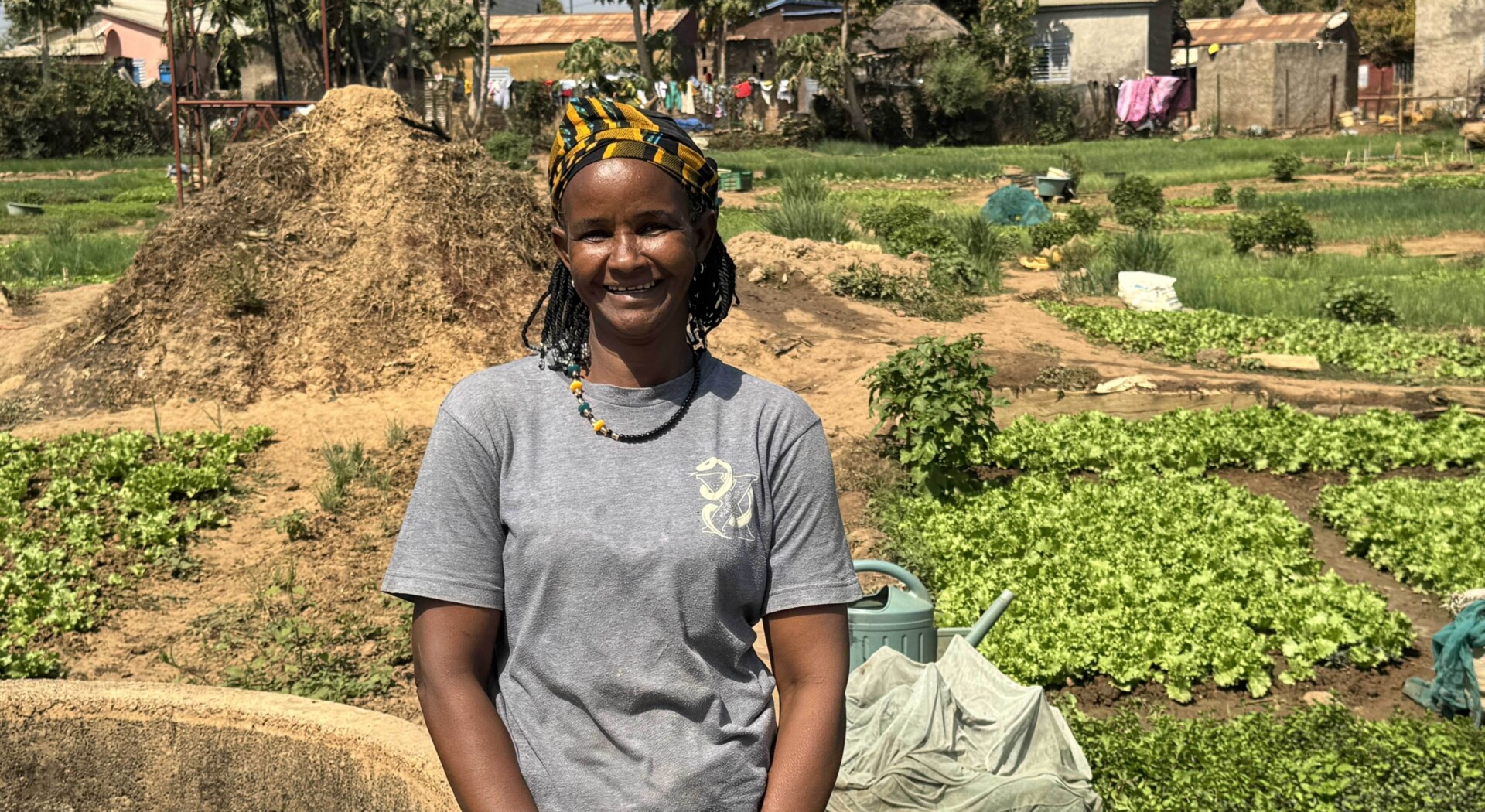
My name is Adama Souaré. I was born into a family affected by leprosy. We lived in a segregated neighborhood for people in our situation in Fadiga, Senegal. My mother lost the use of her arms as a result of the disease, and I quickly had to step in alongside my sisters to take on the responsibilities of running the household.
The day I had to leave school
Despite my family responsibilities, I never stopped devoting myself wholeheartedly to my studies. School held the promise of a better future for me. In ninth grade, however, reality caught up with me in a cruel way: I had to put aside my books, my dictations, and my math problems. My family needed me more and more to help support us.
In our stigmatized community, we didn’t have many options for making money. So, I started gathering wood to sell in order to earn a few coins. After a while, I was married off to a man in the family. I had to leave my village, my sisters, and my parents to go live in Dakar and work as a domestic worker. Life seemed determined to pull me away from my dreams...
A land to be tamed
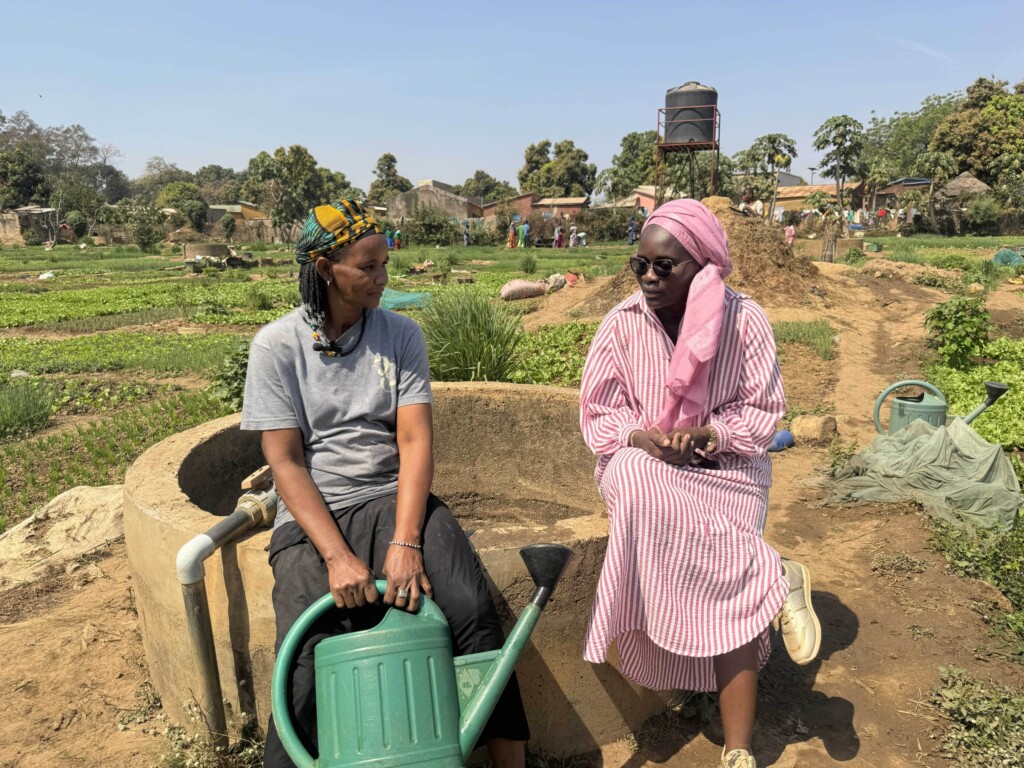
A few years later, I had one, then two, and then a third child. That’s when my husband decided to leave us. Something then awakened within me—something powerful that had been dormant for years: resilience. Instead of letting myself be overwhelmed by my reality, which was becoming even more burdensome, I decided to take back control of my life, to become its heroine. I returned to Fadiga, to be with my disabled mother, and began farming the plots of land she owned, growing onions, mint, and other vegetables.
But the task turned out to be harder than I thought... Our harvests remained meager, insufficient, and the days wore me out. If only my efforts had borne fruit!
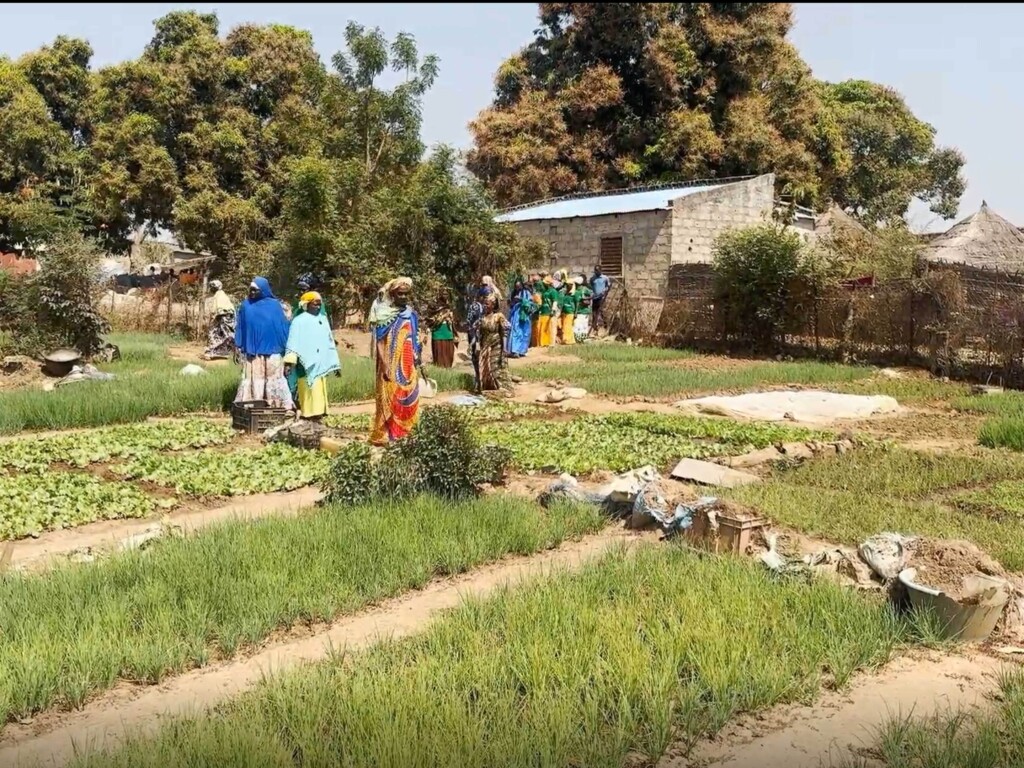
The day the organization Kédougou Encadrement Orientation et Développement Humain (KEOH) came to meet with me and other women in the village, things started to change. For over 20 years, this independent nonprofit organization has been working to promote the rights of women, children, and youth, as well as education, health, food security, and democratic governance in the Kédougou region. With KEOH’s support, funded by thematic funds from CECI’s Voluntary Cooperation Program (PCV), we participated in practical training sessions, including on composting, the production of biopesticides, and the establishment of moringa nurseries, as well as technical support provided by volunteers. It was like going back to school! I was soaking up this new knowledge with an ever-growing eagerness to put it into practice.
Our harvests went from one to three a week! It was so encouraging to see that progress. That increase in yield allowed us to improve our daily lives. With this new income, I had three new rooms built in my family home, and two more are already in the works! I also made some changes to help my mother cope better with her physical condition. Improving our garden has truly changed our lives!
For me, this is a huge victory over my past. I have more confidence in myself and in the future. I’m even thinking of opening a vegetable stand in front of my house soon to expand my business. I hope my children will benefit from this. I want them to pursue a worthwhile education that will take them far. Around me, other women—neighbors, friends, my sisters—have also flourished thanks to this support, and that fills me with joy. You can still see the winding path we had to take written on our faces, but there’s one thing you won’t see: that we ever gave up.
Life is sweeter now, and I can’t help but smile at it with gratitude.
This activity is carried out as part of CECI’s Volunteer Cooperation Program, funded by the Government of Canada.
